
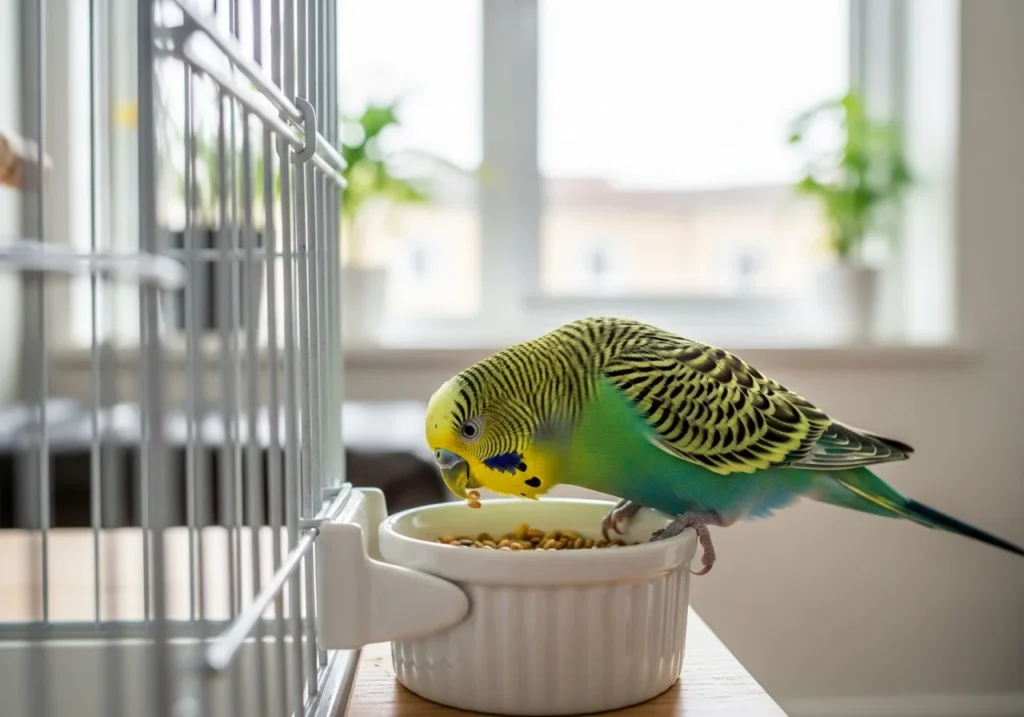
The best food for pet birds is a formulated pellet diet making up 60-70% of intake, supplemented with fresh vegetables and limited fruit — not the all-seed diets still sold as standard "bird food" in many stores.
The best food for pet birds is a formulated pellet diet making up 60-70% of intake, supplemented with fresh vegetables and limited fruit — not the all-seed diets still sold as standard “bird food” in many stores.
Why Pellets Beat Seed-Only Diets
Seeds are calorie-dense but nutritionally incomplete on their own. Formulated pellets are specifically balanced to meet a bird’s full nutritional needs, closing gaps that a seed-only diet leaves open over months and years.
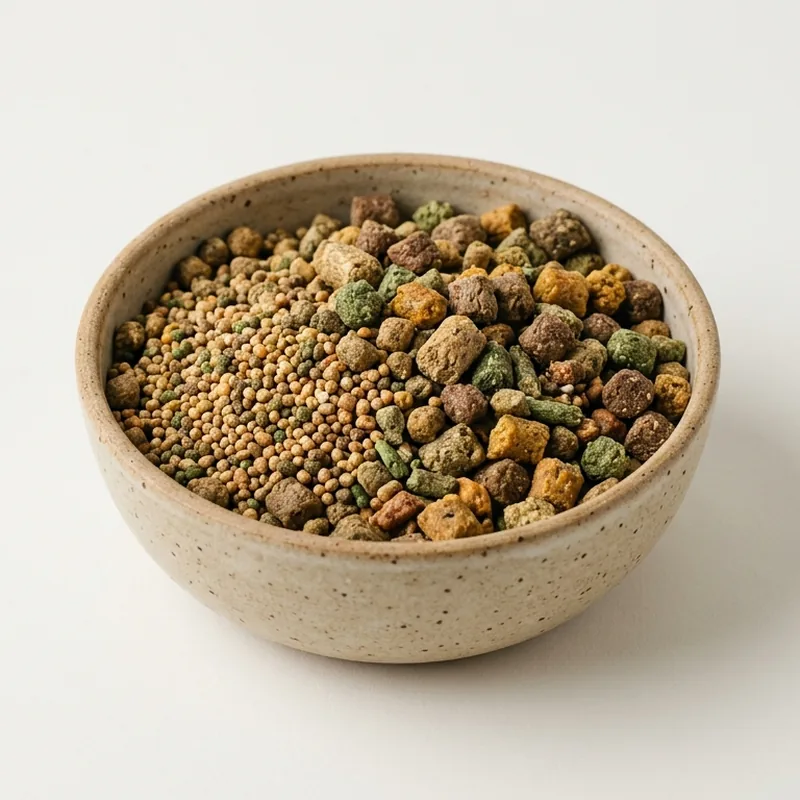
Species-Appropriate Formulated Pellets
Choose a pellet size matched to your bird’s species — small for budgies/cockatiels, larger for bigger parrots.
Check Price on Amazon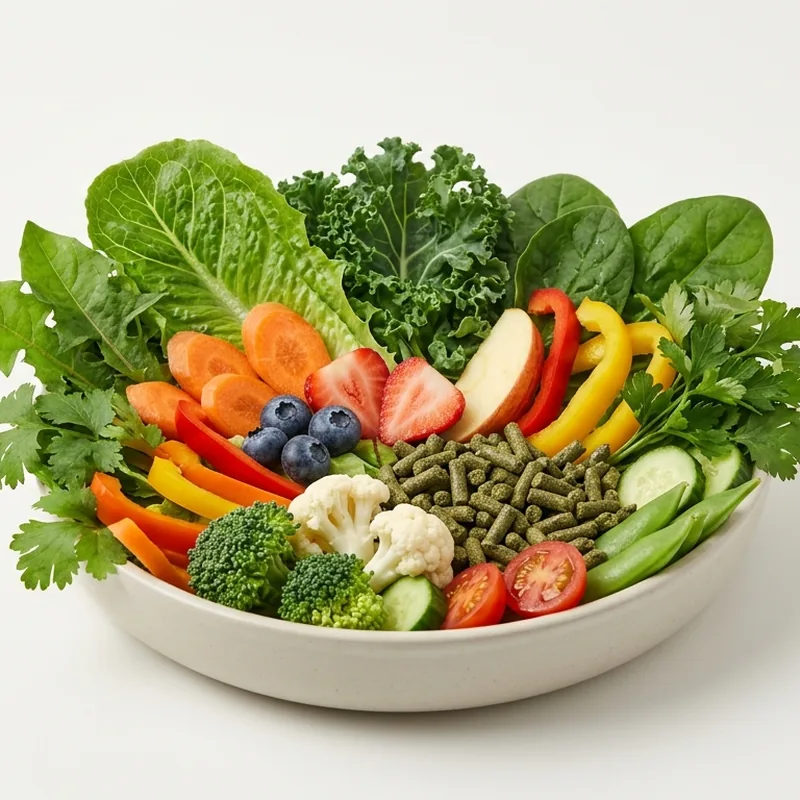
Fresh Vegetable & Limited Fruit Mix
Leafy greens and vegetables should make up a meaningful daily portion alongside pellets — fresh, not just occasional.
Check Price on AmazonWhat “Nutritionally Complete” Actually Requires
A truly complete bird food needs to supply protein, fat, and roughly a dozen vitamins and minerals in ratios that vary by species and life stage. Protein needs generally run 12-18% for most companion parrot species, with higher percentages appropriate for breeding or growing birds. Fat content matters more than owners often realize — too little and feather and skin quality suffers, too much (especially in smaller, less active species) contributes to obesity and fatty liver disease, a genuinely common and serious condition in overfed budgies and cockatiels specifically.
Calcium and vitamin A are the two nutrients most commonly deficient in seed-heavy diets, and both have serious downstream consequences: calcium deficiency contributes to weak bones, egg-binding in laying females, and can trigger seizures in severe cases (particularly documented in African greys), while vitamin A deficiency shows up as respiratory and skin problems and reduced immune function over time.
Comparing Nutrient Profiles Across Brands
When comparing bird food brands, look past the marketing copy on the front of the bag and check the actual guaranteed analysis panel. A few things worth comparing directly: crude protein and fat percentages (appropriate ranges vary by species, so check what’s right for yours specifically), the presence of added vitamins and minerals rather than relying solely on “natural” ingredient sourcing, and whether the first few ingredients are whole food sources versus by-products or fillers. Brands that name specific whole grains, seeds, and vegetables early in the ingredient list generally reflect a more thoughtfully formulated product than those relying on vague terms like “grain products” or “plant protein products.”
Budget Brands vs. Premium Brands: What the Price Difference Buys
Budget bird foods aren’t automatically unsafe, but they more often rely on seed-heavy fillers, less precise nutrient balancing, and fewer quality-control standards around contaminants like mold toxins (aflatoxins), which are a genuine risk in poorly stored or lower-grade grain and seed products. Premium brands typically invest more in ingredient sourcing, third-party testing, and species-specific formulation research. For owners on a tight budget, a reasonable middle ground is choosing a mid-tier pellet brand with a clear nutritional formulation statement over the cheapest seed mix available — the nutritional gap between “budget pellet” and “premium pellet” is much smaller than the gap between any pellet and a seed-only diet.
Organic and Non-GMO Bird Food: Worth the Premium?
Organic and non-GMO labeling has become more common in bird food marketing, mirroring trends in human and other pet food. For birds specifically, the evidence that organic sourcing meaningfully improves health outcomes is limited compared to the much larger, well-documented benefit of switching from seed to a properly formulated pellet in the first place. If budget allows and you’re already feeding a nutritionally sound pellet-based diet, organic ingredients aren’t harmful and some owners prefer them on principle — but they shouldn’t be prioritized over basic nutritional completeness if choosing between the two.
Food Allergies and Sensitivities in Birds
True food allergies are less commonly documented in birds than in dogs or cats, but sensitivities do occur, most often showing up as digestive upset, feather picking, or skin irritation following a diet change. If you suspect a sensitivity, an elimination approach — removing one recently introduced food at a time rather than switching everything simultaneously — makes it far easier to identify the actual trigger. Any suspected food sensitivity is worth discussing with an avian vet before making significant diet changes, since ruling out other causes (parasites, infection, environmental irritants) matters before assuming food is the culprit.
Reading Reviews and Recommendations Critically
Online reviews for bird food are useful but limited — a bird eating a food doesn’t confirm it’s nutritionally ideal, just that it’s palatable, and palatability and nutritional quality don’t always align (this is exactly why seed mixes get positive reviews from birds despite being nutritionally poor). Weight more heavily reviews and recommendations that come from avian vets, bird-specific rescue organizations, or long-term owners of your specific species discussing actual health outcomes over time, rather than reviews focused purely on whether the bird “loved it.”
Regional and Availability Considerations
Not every premium brand is available everywhere, and shipping costs for bulk bird food can meaningfully affect the real cost comparison between options. If your preferred brand isn’t locally available, check whether a comparable formulation (similar protein/fat ranges, similar species-sizing, similar ingredient quality) is sold locally before assuming you need to pay for shipping a specific brand name. Avian vet clinics often carry or can recommend regionally available options that meet the same nutritional bar as harder-to-find brands.
Making the Final Decision
With so many formulated options meeting a reasonable nutritional bar, the deciding factor for most owners comes down to three practical things: does your specific bird actually eat it consistently, does the protein/fat profile match your bird’s species and activity level, and does the cost fit sustainably into your ongoing budget (since bird food is a recurring cost for a pet that, for many parrot species, can live several decades). A good food your bird won’t reliably eat provides no benefit — palatability and nutrition both matter, not one at the expense of the other.
Life-Stage Formulas: Do They Matter?
Several brands now offer life-stage-specific formulas — maintenance, breeding, senior — mirroring the trend already established in dog and cat food. For most companion birds living a stable, non-breeding life, a well-formulated maintenance pellet covers nutritional needs adequately without needing a specialized life-stage product. Breeding females genuinely benefit from higher-calcium formulas during egg-laying periods, and very young, growing birds benefit from higher-protein formulations during rapid feather and bone development. Senior birds don’t always need a dedicated “senior” formula, but do often benefit from portion adjustment as activity naturally declines with age.
Common Ingredients Worth Recognizing
- Whole grains (corn, wheat, oats) — a reasonable base carbohydrate source when whole rather than heavily processed.
- Dried fruits and vegetables — add palatability and some nutrients, though fresh produce still offers more nutritional value than dried additions alone.
- Added vitamins and minerals — necessary in a formulated diet to reach completeness; look for a full spectrum rather than just a couple of headline nutrients.
- Natural preservatives (tocopherols/vitamin E) — generally preferred over synthetic preservatives like ethoxyquin, which some owners and vets prefer to avoid given more limited long-term safety data in birds specifically.
- Artificial colors — purely cosmetic, added to make the pellet more visually appealing to owners rather than birds (birds don’t select food primarily by color the way humans might assume), and worth skipping in favor of naturally colored formulas.
How Often to Reassess Your Food Choice
A bird food decision isn’t a one-time choice. Revisit it whenever your bird’s life stage changes significantly (reaching breeding age, entering senior years), if a vet identifies a specific nutritional concern through bloodwork, or if your bird’s weight or feather condition trends in a concerning direction despite consistent feeding. Even absent any of these triggers, a periodic check every year or two — confirming the formula still matches current species-specific nutritional guidance, since research and formulations do evolve — is a reasonable habit for a pet that may be with you for decades.
Working With an Avian Vet on Food Choice
If you’re unsure where to start, an avian vet visit specifically to discuss diet is worth the cost, especially for larger or less common species where nutritional research is less abundant than for common parrots. Bring your bird’s current food (or a photo of the label) to the appointment, along with notes on how much your bird actually eats versus what’s offered, since this combination lets the vet give advice specific to your bird rather than generic species guidance alone.
Ultimately, the “best” food is the one that’s nutritionally sound, consistently eaten, and sustainable for your household to keep buying long-term — chasing the single “top-rated” product without weighing these practical factors often leads to switching brands repeatedly, which is more disruptive to a bird’s digestion and eating habits than settling on a solid, reasonably-priced option and sticking with it.
Keep the receipt or order history from your first bag too — if your bird has any adverse reaction, having the exact product and batch information on hand makes it much easier to report the issue and get a quick answer on whether it’s a known concern with that specific formulation.
More Birds Resources
FAQ
It's not recommended long-term — an all-seed diet is linked to obesity and nutritional deficiencies. A gradual, monitored transition to pellets is worth the effort.
Avocado, chocolate, caffeine, and alcohol are all toxic to birds, with avocado capable of being fatal even in small amounts to some species.
As a general guide, fresh vegetables can make up a meaningful daily portion alongside pellets — offer fresh food daily and remove uneaten portions within a few hours to avoid spoilage.
