
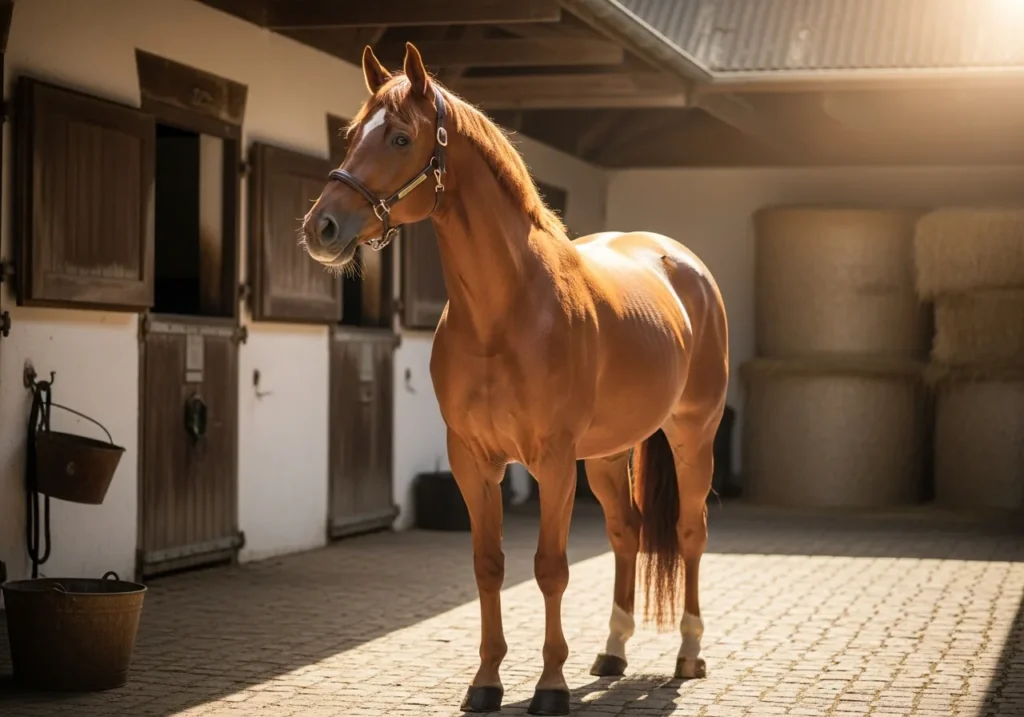
Owning a horse is one of the biggest commitments in the pet and animal-care world — not because horses are difficult to love, but because they need land, routine, and a level of physical care that’s genuinely different from any other companion animal. If you’re researching horse ownership, boarding, or just want to understand what good horse care actually looks like, this guide covers the real basics: feeding, health, breed selection, and the gear that actually matters.
What Makes Horse Care Different
Horses are large grazing animals built to move almost constantly and eat small amounts throughout the day. That single fact drives most of what “good care” means in practice — turnout space, forage-based feeding, and a daily routine that doesn’t leave them standing in a stall for 20 hours. A horse kept mostly confined with infrequent turnout is far more prone to digestive issues, joint stiffness, and behavioral problems than one with consistent daily movement.
Horses are also prey animals with a strong herd instinct. They’re alert, easily startled by sudden movement, and calmer around other horses than alone. None of this makes them harder to care for — it just means the basics (space, company, routine) matter more than they do for a lot of other pets.
Daily Care Essentials
A horse’s day should include turnout time in a pasture or paddock, access to forage (hay or grass) for most of the day, fresh water at all times, and a consistent feeding schedule if grain or concentrate feed is part of the diet. Stalls should be picked out daily to keep bedding clean and reduce the risk of thrush and other hoof issues.
Grooming isn’t just cosmetic — a daily brush-down lets you spot cuts, swelling, ticks, or weight changes early, before they become expensive vet visits. It’s also one of the best ways to build trust with a horse that’s new to you.
Feeding Basics
Forage — hay or pasture grass — should make up the bulk of a horse’s diet. Most horses need roughly 1.5–2% of their body weight in forage per day. Grain or concentrate feed is a supplement for horses in heavy work, growth, or with specific nutritional needs, not a replacement for forage. Sudden diet changes are one of the most common causes of colic, so any switch in feed type should happen gradually over 7–10 days.
For a full breakdown of feeding amounts, forage types, and supplement basics, see our Horses Nutrition & Feeding Guide.
Health & Routine Vet Care
Routine care includes farrier visits every 6–8 weeks for trimming or shoeing, vaccinations on a schedule set by your vet based on your region and exposure risk, and regular deworming based on fecal egg counts rather than a fixed calendar (over-deworming contributes to parasite resistance). Dental checks once or twice a year catch uneven wear that can affect how well a horse chews and digests forage.
Weight, coat condition, hoof health, and general alertness are the easiest day-to-day indicators that something’s off. See our Horses Health & Wellness Guide for the specific signs that warrant a vet call versus ones you can monitor at home.
Choosing a Breed
Breed matters less for temperament than most people expect — individual horses vary widely even within a breed — but breeds do differ in build, typical use, and care needs. Quarter Horses are popular first-horse choices for their steady temperament; Thoroughbreds tend to be higher-energy and better suited to experienced riders; draft breeds like Clydesdales need more space and forage but are often calm and patient. Our Horse Breeds guide breaks down the most common breeds by temperament, size, and typical use.
Gear You Actually Need
A well-fitted saddle and bridle, a halter and lead rope for everyday handling, grooming tools (curry comb, hoof pick, brushes), and a properly fitted fly mask or sheet for warm months cover most of the essentials. Ill-fitting tack — especially saddles — is a leading cause of back pain and behavioral resistance under saddle, so fit matters more than brand. See our Best Horse Supplies & Gear guide for specific product picks.
Is a Horse the Right Pet for You?
Horses make sense for people with access to land or a reliable boarding facility, a realistic budget for ongoing costs, and time for daily involvement — even boarded horses need regular visits, riding, and attention. If you love horses but land, time, or budget aren’t there yet, leasing a horse or taking regular riding lessons is a lower-commitment way to stay involved while you build toward ownership.
What It Actually Costs to Keep a Horse
Horse ownership is one of the biggest financial commitments in the pet world, and the sticker price of the horse itself is usually the smallest part of it. Monthly board at a full-care facility typically runs $400-$1,200 depending on region and amenities, or $150-$400/month if you own land and handle feed and turnout yourself. Add routine costs: farrier visits every 6-8 weeks ($30-$150 per trimming or shoeing cycle), annual vaccinations and dental floating ($200-$500/year), and deworming based on fecal egg counts. A realistic all-in annual budget for a healthy horse in full board ranges from $6,000 to $15,000+ before any emergency vet care, which itself can run into thousands for colic surgery or a lameness workup with imaging.
Tack and equipment add a real one-time cost too — a decent used saddle alone can run $500-$2,000, and a well-fitted one is not optional if you want to avoid soundness and behavior problems down the line. Many new owners lease or half-lease a horse first specifically to test whether the ongoing cost and time commitment fit their life before buying outright.
Boarding vs. Keeping a Horse at Home
Most first-time owners board rather than keep a horse on their own property, and for good reason — boarding facilities provide daily turnout, feeding, and often basic health monitoring from staff who handle horses every day. Keeping a horse at home requires suitable fencing (post-and-rail, electric, or high-tensile wire, not standard livestock fencing that a spooked horse can go through), a shelter structure that blocks wind and rain, a reliable water source that doesn’t freeze in winter, and enough land — roughly 1-2 acres per horse minimum for pasture-based keeping, more if you want to avoid supplementing with hay year-round.
Home-keeping saves money over time but removes the built-in daily oversight a boarding barn provides, which matters most for new owners still learning to spot early signs of colic, lameness, or illness. Many experienced owners recommend boarding for at least the first year of ownership, even if the long-term plan is to keep horses at home.
The First-Year Learning Curve
New horse owners consistently underestimate two things: the time commitment (daily feeding, turnout checks, and grooming add up even with boarding) and the value of instruction. Riding lessons don’t stop being useful once you own a horse — if anything, having your own horse makes good instruction more important, since you’re now responsible for a training relationship, not just a single lesson. Budget for at least a few months of lessons or a trainer’s guidance after purchase, even if you’ve ridden before, specifically to build a working relationship with your particular horse rather than a generic lesson-string horse.
Ground manners deserve just as much attention as riding skill. A horse that leads well, stands for the farrier, and loads calmly into a trailer is dramatically easier and safer to own than one that’s only been handled under saddle. New owners who focus exclusively on riding lessons and skip groundwork often run into avoidable safety issues.
Reading Body Language Before Buying
Ears pinned back, a swishing tail during grooming or tacking, and reluctance to be caught in the pasture are all things worth watching for during a pre-purchase visit — not necessarily deal-breakers, but signals worth discussing openly with the seller and a vet during a pre-purchase exam. A pre-purchase veterinary exam (separate from the seller’s own vet) is standard practice and worth the few hundred dollars it costs, since it can catch soundness issues that aren’t obvious during a single test ride, including subtle lameness, vision problems, or respiratory issues that only show up under exertion.
Take at least two visits before deciding, ideally at different times of day, and if possible watch the horse being caught, groomed, and tacked up by someone unfamiliar to it — not just ridden by the seller, who the horse may already trust in a way it won’t automatically extend to you.
Insurance and Emergency Planning
Equine mortality and major medical insurance exist and are worth pricing out, especially for a horse representing a significant investment. Colic surgery alone commonly costs $5,000-$10,000+, and a sudden decision under financial pressure is a genuinely difficult position to be in. Even without formal insurance, setting aside an emergency fund before you bring a horse home is one of the more responsible things a new owner can do.
Closing Thoughts on Getting Started
Horse ownership rewards patience, honest self-assessment, and a willingness to lean on experienced help — trainers, vets, and farriers — rather than figuring everything out alone. Approached this way, it’s one of the most rewarding animal relationships available.
Explore This Category

Frequently Asked Questions
Beyond the purchase price, expect $200–$500 a month for board, feed, farrier visits, and routine vet care if you're boarding at a facility — more if you own land and equipment yourself.
A single horse needs at least an acre of turnout for grazing and movement, plus a stall or run-in shelter. Two acres or more is better if the pasture also needs to rest and regrow.
It's possible but not recommended without months of hands-on riding lessons and groundwork first. Most horse professionals suggest at least a year of consistent riding experience before taking on ownership.
Most horses live 25–30 years with good care, and many stay rideable well into their twenties depending on breed and health history.
Yes. Horses are herd animals and can develop stress-related behaviors — pacing, weaving, poor appetite — when kept completely alone. A companion animal, even a goat or donkey, helps.