
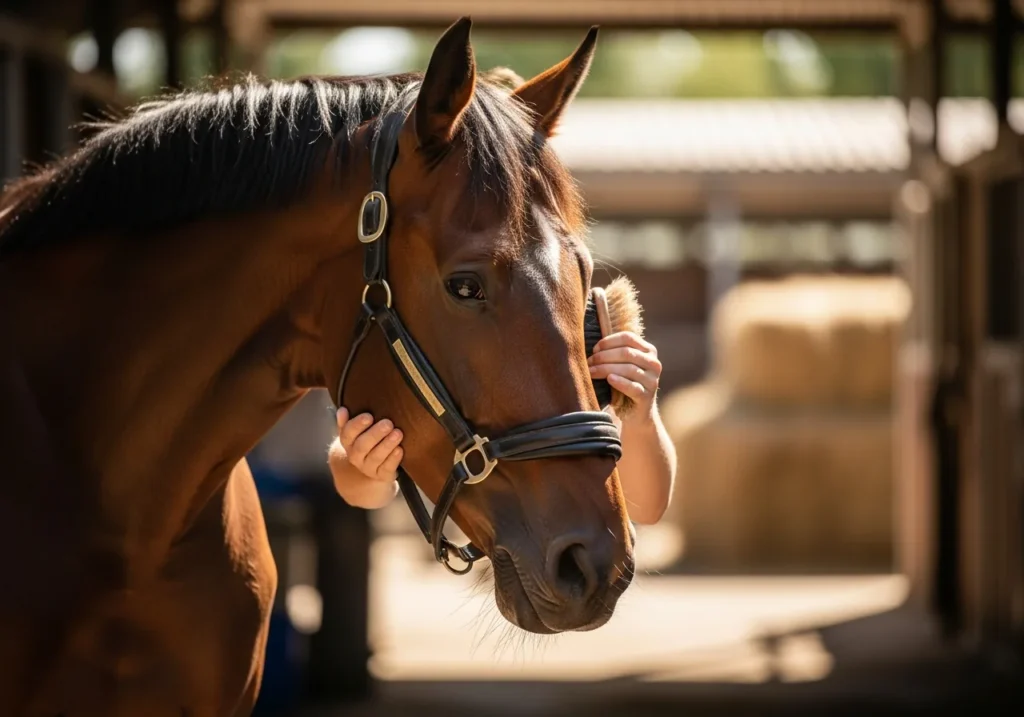
Horses are stoic animals — they don’t show pain the way a dog or cat does, which means small changes in behavior, appetite, or movement are often the earliest and only warning sign that something’s wrong. Knowing the baseline routine and the red-flag symptoms is the single most useful health skill a horse owner can build.
The Routine Care Calendar
A reasonable routine care schedule looks like: farrier visits every 6–8 weeks, dental exams once or twice a year, vaccinations on a vet-set annual schedule (core vaccines typically include tetanus and rabies, with others added based on regional risk), and deworming based on fecal egg counts rather than a fixed rotation. Annual bloodwork becomes more valuable as a horse ages, particularly for catching metabolic issues like Cushing’s disease or insulin resistance early.
Daily Health Checks
A quick daily once-over — checking that a horse is eating normally, moving soundly, alert, and passing normal manure — catches most problems early. Weight changes are easier to miss day-to-day, so a monthly weight-tape check or body condition score is worth the two minutes it takes.
Warning Signs That Need a Vet Call
- Colic signs: pawing, rolling, looking at the flank, refusing feed, reduced or absent manure — treat as urgent, not wait-and-see.
- Lameness: favoring a leg, shortened stride, heat or swelling in a leg or hoof.
- Respiratory changes: persistent cough, nasal discharge, labored breathing.
- Sudden behavior change: a normally calm horse becoming agitated, or vice versa, can signal pain even without an obvious physical sign.
Common Conditions Worth Knowing
Laminitis (painful inflammation in the hoof, often linked to rich spring grass or metabolic issues), thrush (a hoof frog infection linked to wet, dirty footing), and gastric ulcers (linked to infrequent forage access and stress) are among the most common horse health issues, and all three are largely manageable with the right daily routine described in our Horses Care Guide.
Building a Relationship With a Vet
Having an established equine vet before an emergency happens — not scrambling to find one during a colic episode at midnight — makes a real difference in outcome and cost. Ask about after-hours emergency coverage when you first sign up with a practice.
For a full symptom-by-symptom breakdown, see Signs Your Horse Is Sick and our Horses Health Checklist for first-time owners.
Vaccination and Deworming Schedule
Core vaccines recommended by the American Association of Equine Practitioners include tetanus, Eastern/Western equine encephalitis, West Nile virus, and rabies — typically given annually, often in spring ahead of mosquito season. Your vet may add others (influenza, rhinopneumonitis) based on your horse’s exposure to other horses through shows, trail rides, or a boarding barn. Deworming protocols have shifted from routine rotational dosing toward fecal egg count testing first, since resistance to dewormers is a growing and genuinely serious problem in the horse world; ask your vet what schedule fits your region and horse’s exposure.
Common Health Issues by Age
Young horses are more prone to developmental orthopedic issues if growth and nutrition aren’t balanced carefully — this is part of why reputable breeders and sellers can usually speak in detail about a young horse’s early nutrition. Middle-aged horses in regular work are most likely to see soundness and lameness issues from repetitive strain, often manageable with adjusted training and joint support. Senior horses commonly develop dental wear issues, arthritis, and metabolic conditions like Cushing’s disease (PPID), which is manageable with daily medication once diagnosed via a simple blood test.
Dental Care Is Not Optional
Horses’ teeth grow continuously and wear unevenly, forming sharp points that can cut the cheek or tongue and make chewing painful. Annual dental exams (“floating”) from a vet or equine dentist are standard care, not an occasional extra — untreated dental issues are a real and common cause of weight loss and colic that owners often miss until it’s advanced, since horses are prey animals and tend to mask pain until it’s significant.
Recognizing Colic Early
Colic is a general term for abdominal pain, and it’s the leading medical emergency in horses. Early signs include repeatedly looking at or biting the flank, pawing, lying down and getting up repeatedly, reduced or absent manure, and lack of interest in food. Mild colic sometimes resolves with walking and time, but any of these signs warrant an immediate call to your vet — colic can escalate from mild to surgical in a matter of hours, and early intervention meaningfully improves outcomes.
Lameness Basics Every Owner Should Know
A horse that’s “off” — shortened stride, head-bobbing at the trot, reluctance to turn one direction — is showing lameness, and the cause can range from a simple bruise or abscess to something requiring imaging and rest. Don’t ride through obvious lameness hoping it resolves; continuing to work a lame horse can turn a minor, short-recovery issue into a long-term soundness problem.
Vaccination Timing and Regional Differences
Vaccine needs shift by region — horses in areas with active mosquito populations need consistent West Nile and encephalitis boosters timed to mosquito season, while horses that travel to shows or trail ride with unfamiliar horses often need additional respiratory disease coverage. Your local vet, not a generic online schedule, is the right source for a protocol tailored to your area and your horse’s actual lifestyle.
Parasite Management Beyond Deworming
Pasture management — removing manure regularly, rotating grazing areas, and avoiding overstocking pastures — reduces parasite load naturally and reduces reliance on chemical deworming, which matters given growing resistance. Fecal egg count testing every few months tells you which horses in a herd actually need treatment rather than deworming the whole group on a fixed schedule regardless of need.
Skin and Coat Issues
Rain rot (a bacterial skin condition common in wet climates), sweet itch (an allergic reaction to insect bites, especially midges), and ringworm (a fungal infection despite the name) are among the more common skin issues horse owners encounter. Most respond well to appropriate topical treatment and keeping the horse dry and clean, but persistent or spreading skin issues warrant a vet visit rather than guesswork, since some skin conditions are contagious to other horses.
Respiratory Health
Dusty hay, poor stable ventilation, and mold are common triggers for equine asthma (previously called heaves), a genuinely common condition in stabled horses. Soaking or steaming hay, improving barn ventilation, and using low-dust bedding are practical steps that help horses prone to respiratory sensitivity, often more effective long-term than medication alone.
Working With Your Vet as a Team
The most effective horse-keeping relationships treat the vet as an ongoing partner, not just an emergency contact — regular wellness visits let a vet build familiarity with your specific horse’s normal, which makes it far easier for them to catch subtle problems early and for you to trust their read on borderline situations.
Recognizing Chronic vs. Acute Issues
Some conditions, like mild arthritis in an older horse, are managed long-term rather than “fixed” — the goal becomes comfort and continued soundness for light work, not a cure. Understanding this distinction helps owners set realistic expectations and avoid chasing an unrealistic full resolution for age-related or chronic conditions.
Building a Relationship With an Equine Dentist
Not every general equine vet does dental floating themselves — many refer out to a dedicated equine dentist, and either is fine as long as the provider is experienced specifically with horses (not just familiar with dentistry in general). Ask your vet for a referral if they don’t do this themselves, and stick with the same provider year to year so they build familiarity with your horse’s mouth and can more easily spot subtle changes.
Weight Management as Preventive Health
Obesity in horses is a genuine, under-recognized health risk — it’s directly linked to laminitis, joint stress, and metabolic disease, not just a cosmetic concern the way it’s sometimes treated. Regular body condition scoring and adjusting feed proactively, rather than waiting until a horse is visibly overweight, is one of the most effective preventive health habits an owner can build.
Putting It All Together: A Preventive Mindset
The theme running through equine health care is prevention over reaction — regular dental, vaccination, and deworming schedules; daily observation; body condition tracking; and a vet relationship established before an emergency. Horses are prey animals that hide pain well, which makes proactive care, not just responding to obvious symptoms, the difference between catching something early and facing a crisis. Owners who build these habits into a routine find them far less burdensome over time than owners trying to catch up after a problem has already developed.
A Closing Thought
Most serious equine health problems give some warning if you’re watching closely and consistently. That consistent attention is the real skill this guide is asking you to build.
Building a Relationship With an Equine Vet Before You Need One
Establishing a relationship with a local equine vet while your horse is healthy — an initial wellness visit, discussing your vaccination and deworming plan — means you’re not searching for emergency care for the first time during an actual crisis, and a vet already familiar with your horse’s baseline health can assess changes more accurately than one meeting your horse for the first time under stress.
FAQ
A general wellness exam once or twice a year is standard, plus vaccinations on a schedule your vet sets based on your region and the horse's exposure risk.
Every 6–8 weeks for most horses, whether barefoot or shod — hoof growth doesn't stop, and skipping trims leads to cracking, imbalance, and lameness.
Colic (abdominal pain) is the most common true emergency — a horse that's pawing, rolling, not eating, or repeatedly looking at its flank needs a vet call right away, not a wait-and-see approach.
