
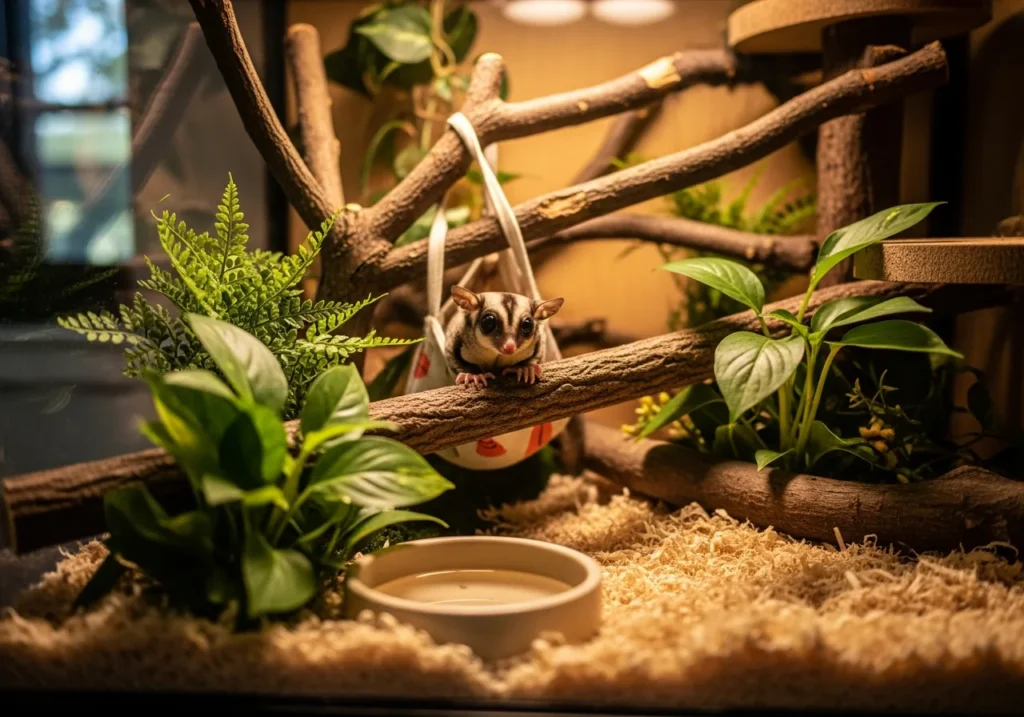
“Exotic pet” covers a wide range of animals outside the traditional dog-cat-fish-bird mainstream — sugar gliders, hedgehogs, chinchillas, certain unusual reptile species, and more. What unites them isn’t a shared care routine (their needs vary enormously) but the fact that they require more specific, often harder-to-find information than mainstream pets, and frequently need specialized housing, diet, or veterinary care.
Before You Get an Exotic Pet
Two questions matter more for exotic pets than for almost any other category: is it legal where you live, and can you find a vet who treats the species? Exotic pet laws vary by state, county, and sometimes city, and change over time — always verify current regulations with your local wildlife or agriculture department before acquiring an unusual species. Equally important: many general veterinary practices don’t treat exotic species at all, so locating an exotic-animal vet in your area before you bring the animal home avoids a scramble during an actual emergency.
Housing and Environment
Many exotic species have narrow temperature and humidity requirements that are stricter than what a cat or dog needs — a sugar glider’s enclosure, for example, needs specific temperature ranges and enrichment to prevent stress-related behaviors. Research the specific housing setup for your species before bringing the animal home, not after.
See our Best Exotic Pets Supplies & Gear guide for the enclosure and heating equipment that most exotic species setups have in common.
Feeding Exotic Pets
Diet varies dramatically by species — some exotic pets are insectivores, some are specialized herbivores, some need a mix that’s hard to replicate without careful research. Generic “exotic pet food” often isn’t specific enough; feeding needs to be researched per species. Our Exotic Pets Nutrition & Feeding Guide covers the general principles.
Health and Vet Care
Exotic pets are often good at hiding illness — a trait carried over from being prey animals in the wild — which means changes in behavior, appetite, or activity level are frequently the only early sign something’s wrong. See our Exotic Pets Health & Wellness Guide for species-general warning signs.
Choosing a Species
Some exotic species (like certain hedgehog or gecko species) have relatively manageable, well-documented care needs; others require significant hands-on research and experience before ownership makes sense. Our Exotic Pet Species guide breaks down common options by care difficulty.
Is an Exotic Pet Right for You?
Exotic pets reward owners who genuinely enjoy research and precise care routines — temperature gauges, specific diets, enclosure maintenance. If that sounds engaging rather than tedious, an exotic pet can be a deeply rewarding choice. If you’re looking for a lower-maintenance companion, a more mainstream pet might be a better starting point.
What “Exotic” Actually Covers
The term spans an enormous range — sugar gliders, hedgehogs, chinchillas, ferrets, degus, and more, each with genuinely different origins, natural behaviors, and care needs. Unlike dogs or cats, exotic pets are often only a few generations removed from wild populations, meaning their instincts and requirements are much closer to their wild counterparts than a domesticated animal’s. Lumping them together as “exotic” is a marketing convenience more than a meaningful care category, and every species deserves research specific to itself, not generic small-pet advice.
Legal Considerations Before You Bring One Home
Ownership legality for exotic pets varies significantly by state, county, and even city — some jurisdictions ban specific species outright (sugar gliders and hedgehogs are restricted in several US states), require permits, or limit the number you can own. Always verify current local regulations before acquiring an exotic pet, not after, since enforcement can mean surrendering an animal you’ve already bonded with.
Sourcing Responsibly
Reputable, USDA-licensed breeders or established exotic pet specialty stores are safer sources than unregulated online marketplaces or unknown private sellers, both for the animal’s welfare and to avoid unknowingly supporting illegal wildlife trade. Ask about the animal’s origin, health history, and — for species like sugar gliders — whether it was captive-bred and hand-raised, which significantly affects temperament and tameness.
The Vet Access Problem
Not every veterinarian treats exotic species, and finding an exotic-experienced vet before you need one — not during an emergency — is one of the most important steps a new exotic pet owner can take. Search specifically for “exotic vet” or “avian and exotic animal hospital” in your area, and confirm they treat your specific species, since “exotic” experience doesn’t automatically cover every species equally.
Habitat Needs Are Rarely What Pet Stores Suggest
Many exotic pets are commonly sold in enclosures far smaller than they actually need long-term — a starter cage is often meant to be upgraded, not a permanent home. Research the adult enclosure size requirement for your specific species before buying, and budget for that eventual setup from the start rather than treating a starter kit as sufficient indefinitely.
Social Needs Vary Dramatically by Species
Sugar gliders are highly social and often do poorly kept alone, essentially requiring a same-species companion for genuine welfare. Hedgehogs, by contrast, are largely solitary in the wild and generally do fine — and sometimes better — housed alone. Understanding your specific species’ natural social structure before deciding on single vs. paired ownership is essential, not a detail to figure out after the fact.
Diet Complexity Is Often Underestimated
Many exotic species have specific, sometimes complex dietary needs that a generic commercial pellet alone doesn’t fully cover — sugar gliders need a varied diet including protein and fruit in specific ratios; some species need live insects; others need precise calcium-to-phosphorus ratios to avoid metabolic bone disease. Diet mistakes are among the most common, and most preventable, causes of health problems in exotic pets.
Building Realistic Expectations Before You Buy
Exotic pet ownership rewards owners who do genuine research before purchase far more than it forgives learning entirely on the fly, the way some people approach a first dog or cat. Species-specific books, reputable online communities focused on your exact species (not general “exotic pets” forums), and a consultation with an exotic vet before buying are all worth the time investment.
The Financial Picture Beyond Purchase Price
Enclosure setup, specialized heating and lighting equipment, species-appropriate diet, and exotic vet visits (which often cost more than standard cat/dog visits due to specialized expertise) add up to a genuine ongoing financial commitment that surprises owners who assumed a small animal meant small cost.
Reconsidering “Novelty” as a Reason to Buy
Wanting an unusual pet is a completely understandable impulse, but the species that makes the most interesting story is not always the species best suited to your actual lifestyle, experience level, and local legal situation. The most successful exotic pet owners choose based on genuine fit, not just novelty appeal.
The First 30 Days With a New Exotic Pet
Most exotic species need a settling-in period with minimal handling, a fully set-up and stable enclosure before arrival (not assembled the same day the animal comes home), and patient, gradual introduction to human interaction. Rushing bonding in the first days, however well-intentioned, often sets back trust-building rather than accelerating it. Expect some hiding, reduced eating in the first few days, and cautious behavior as entirely normal adjustment, not necessarily a sign of a problem — though persistent refusal to eat beyond 48-72 hours does warrant a vet check.
Handling Frequency and Technique
Species vary enormously in how much and what kind of handling they tolerate well — some benefit from daily handling to build trust, others do better with less frequent, calmer sessions. Learn correct handling technique specific to your species before attempting regular handling, since incorrect handling can cause injury to small, fragile animals or create lasting fear responses that undo trust-building progress.
Traveling and Boarding Considerations
Exotic pets often can’t be boarded at standard kennels, and finding an exotic-experienced pet sitter or boarding option before you actually need one (a trip, an emergency) saves significant stress later. Some owners maintain a relationship with their exotic vet’s office specifically because many offer boarding or can recommend qualified sitters.
Final Thoughts on Responsible Exotic Ownership
The exotic pet world rewards patience, research, and honesty about your own limitations more than any other pet category — these are animals with genuinely wild instincts navigating a captive environment, and the best outcomes come from owners who respect that reality rather than treating an exotic pet as a novelty accessory. Take the research phase seriously, connect with your local exotic vet before you need one, and choose a species that fits your actual life, not just your imagination of it.
A Final Perspective on the Exotic Pet Commitment
Choosing to keep an exotic pet means taking on responsibility for an animal whose needs are often significantly more specialized, and less forgiving of mistakes, than a traditional companion animal. This isn’t meant to discourage genuinely prepared owners — many people build wonderful, rewarding relationships with exotic pets — but it does mean the research and preparation phase deserves real weight before acquisition, not a quick decision made in a pet store on a whim. The owners who do well with exotic pets are consistently the ones who took that preparation seriously from the start.
Explore This Category

Frequently Asked Questions
It varies significantly by species, state, and even city — always check local exotic pet ownership laws before acquiring any unusual species, since regulations range from permit requirements to outright bans.
Many species have specific temperature, humidity, or dietary needs that are more precise than a cat or dog's, which can make them more demanding in specific ways even if daily interaction time is lower.
Yes — most general vets don't treat exotic species. Finding an exotic-animal or 'avian and exotic' vet in your area before you need one is important.
Some are (like hedgehogs or certain gecko species with simpler care needs), while others (sugar gliders, certain parrots) require significant research and commitment. Research the specific species before committing.
This varies enormously by species — from a few years for some small mammals to well over a decade for certain reptiles and birds — so lifespan is worth checking before committing to any specific species.