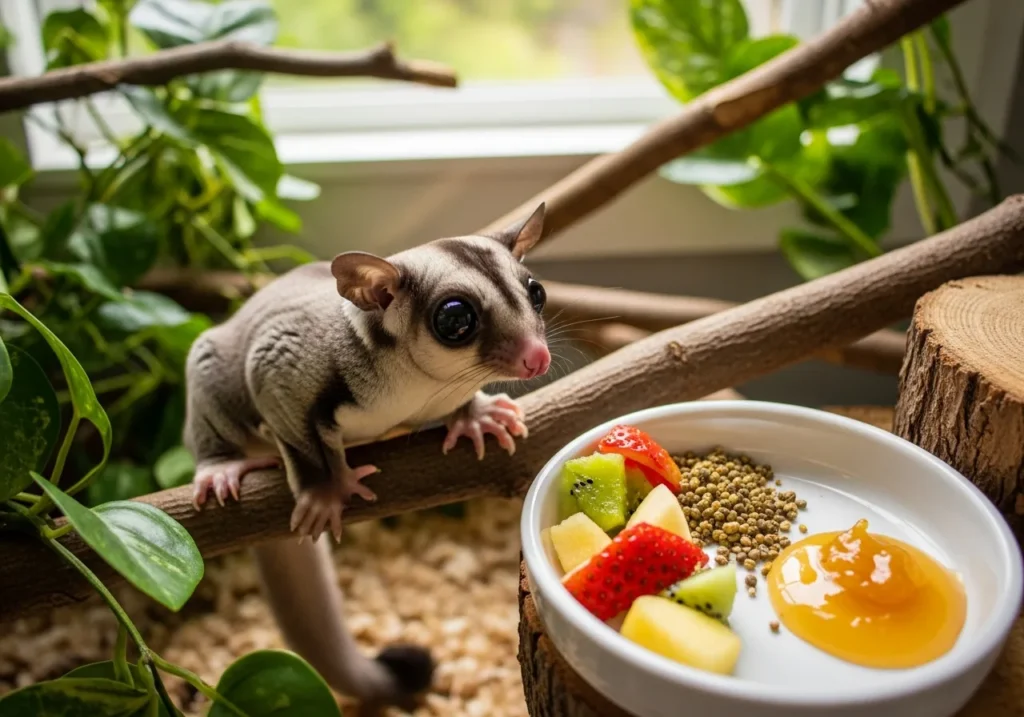
There’s no single “exotic pet diet” — feeding needs vary so much by species that generic advice can actually be harmful. An insectivorous species, a specialized herbivore, and an omnivore all need completely different approaches, and getting it wrong is one of the most common (and preventable) causes of exotic pet health problems.
Why Species-Specific Research Matters
Two animals that look similar or are casually grouped together as “exotic pets” can have wildly different nutritional needs. Before bringing home any exotic species, research its specific dietary requirements from a reputable source — an exotic vet, a species-specific care guide, or an established exotic pet organization — rather than relying on generic pet store advice alone.
Common Feeding Categories
Many exotic pets fall into one of a few broad feeding categories: insectivores (needing live or freeze-dried insects, often gut-loaded with nutrients first), specialized herbivores (needing specific plant varieties, not just “vegetables” broadly), and omnivores with a mixed diet. Knowing which category your species falls into is the starting point, but exact ratios and specific safe/unsafe foods still need species-level research.
Supplementation
Calcium and vitamin D supplementation is critical for many reptile species, particularly those without adequate UVB lighting. Other exotic species may need different specific supplements. This is an area where guessing is risky — a quick consultation with an exotic vet on supplementation needs for your specific species is worth the cost.
Water and Hydration
Hydration needs vary by species too — some get most of their water from food, others need standing water, others need misting for humidity-based hydration. Research your species’ specific hydration method rather than assuming a standard water dish is enough.
For specific product recommendations, see our Best Food for Exotic Pets buying guide.
FAQ
Usually not safely — even animals that look superficially similar to more common pets often have very different nutritional needs, so species-specific research matters.
Many do, particularly reptiles needing calcium and UVB-related vitamin D support, but supplement needs are species-specific and should be researched individually or discussed with an exotic vet.
Assuming a commercial 'exotic pet food' blend is nutritionally complete for every species — many aren't, and species-specific research or vet guidance is important.
