
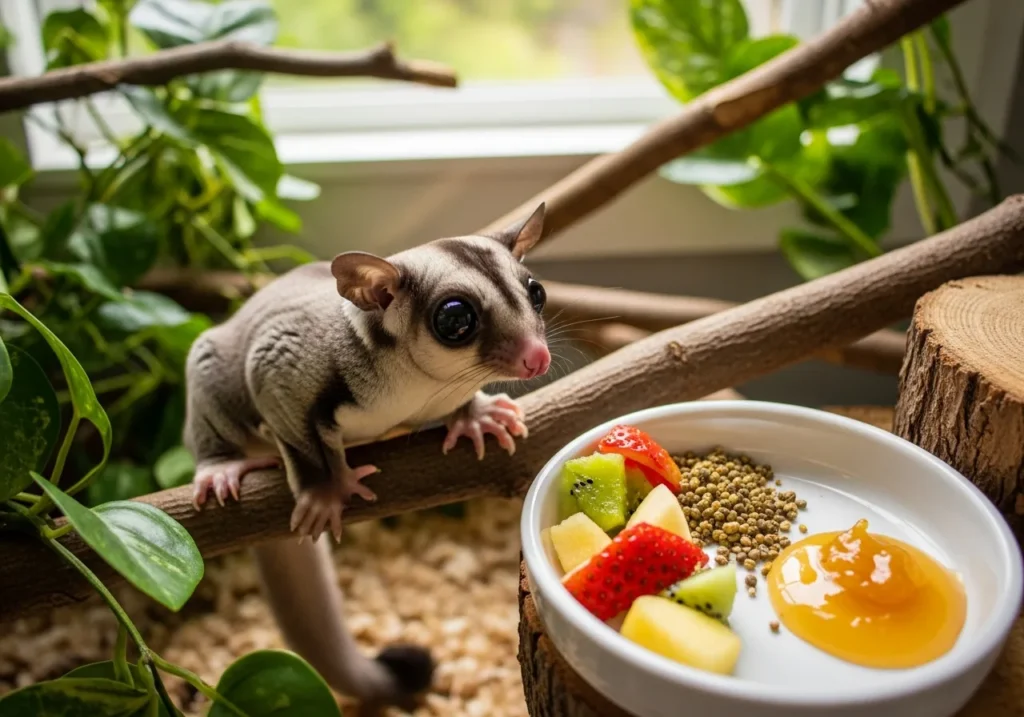
The best exotic pet food depends entirely on your species’ diet type — live or gut-loaded insects for insectivores, species-appropriate greens for herbivores, and a researched mixed diet for omnivores. There’s no single universal “exotic pet food.”
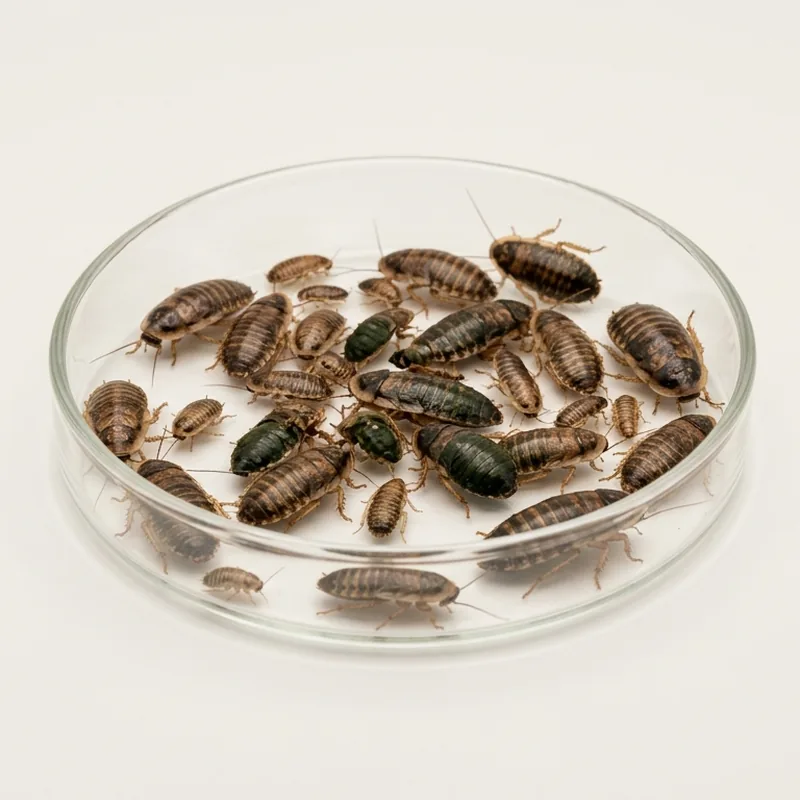
Gut-Loaded Feeder Insects
Crickets, mealworms, or dubia roaches raised on a nutrient-dense diet before feeding — the standard, well-researched approach for insectivorous exotic species.
Check Price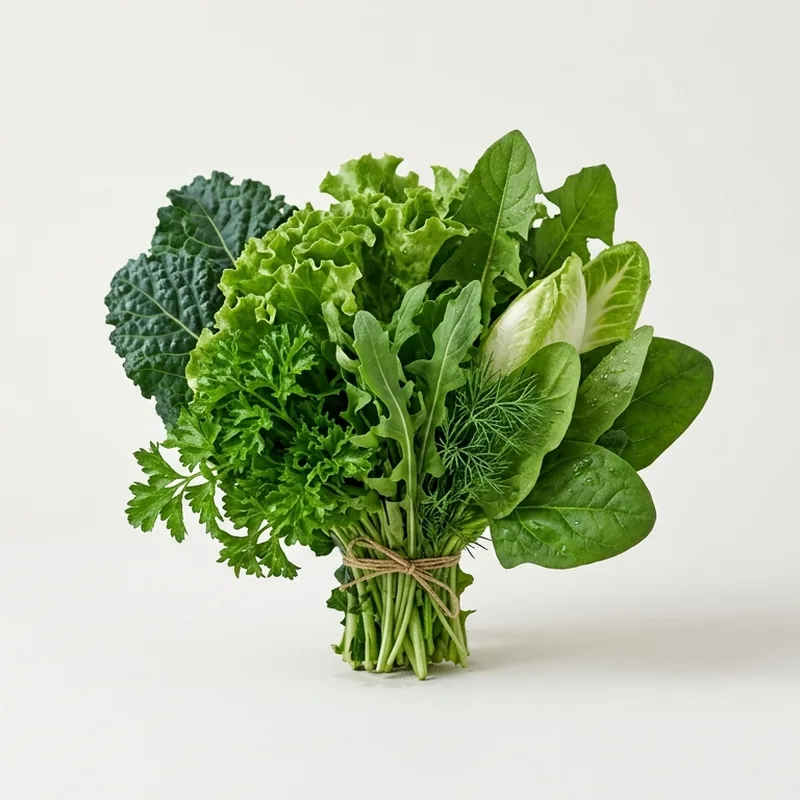
Species-Appropriate Fresh Greens Mix
A rotating mix of safe leafy greens for herbivorous species — always cross-check any new food item against a species-specific safe-food list first.
Check Price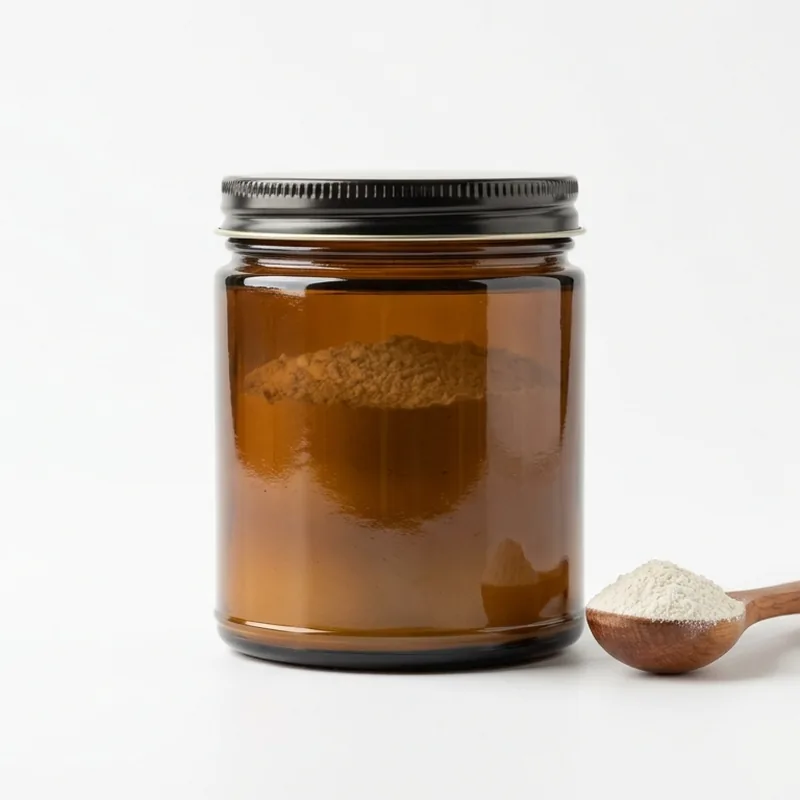
Calcium & Vitamin Supplement Powder
Dusted onto food for species (especially many reptiles) that need extra calcium and vitamin D support, particularly without full-spectrum lighting.
Check PriceAlways Verify Species-Specific Safety
Before feeding any new food item, cross-check it against a reputable species-specific safe-food list or ask an exotic vet — some common foods that are fine for one exotic species are toxic to another.
Matching Diet Type to Species Category
Omnivorous species like sugar gliders need a mix of protein (insects, lean meat) and produce in fairly specific ratios. Insectivorous species need appropriately gut-loaded and dusted live insects as a dietary staple, not an occasional treat. Herbivorous species like chinchillas and degus need high-fiber hay as the dietary foundation, with limited fresh produce. Get this fundamental category right before comparing specific product brands.
Reading Commercial Exotic Food Labels
Look for products formulated specifically for your species, not generic “exotic small pet” blends that try to cover many species at once with a compromise formula suited to none of them particularly well. Named ingredients and a manufacturer with specific species expertise are better signals than broad marketing claims.
Supplementing Commercial Diets Appropriately
Calcium and vitamin D3 supplementation (often via dusting live insects) is critical for many insectivorous exotic species to prevent metabolic bone disease. Follow species-specific dusting frequency guidance rather than assuming more supplementation is automatically better — over-supplementation carries its own risks.
Fresh Produce Safety by Species
What’s safe and healthy for one species can be inappropriate for another due to differing digestive systems and sugar tolerance — always verify a specific fruit or vegetable is appropriate for your exact species before offering it, rather than assuming general “healthy food” logic applies uniformly across all exotic pets.
Transitioning to a New Diet Safely
As with most animals, sudden diet changes can cause digestive upset in exotic species — introduce new foods gradually and watch for changes in droppings or appetite as you transition, rather than switching all at once even when moving to a objectively better diet plan.
Working With Species-Specific Communities
Established, reputable online communities and forums dedicated to your specific species (not general exotic pet spaces) often have detailed, experience-based feeding guides that go beyond generic commercial product marketing — genuinely useful supplementary research alongside vet guidance.
Building a Feeding Routine That’s Sustainable
A diet plan that’s nutritionally ideal but too complex or time-consuming to maintain consistently long-term isn’t actually the best real-world choice — factor your own realistic routine and consistency into diet planning, not just theoretical nutritional optimization.
Cost-Effective Sourcing for Fresh Foods
Buying appropriate fresh foods in season, and freezing portioned live insects or produce where appropriate for your species, can meaningfully reduce ongoing diet costs compared to buying small quantities frequently at premium prices.
Final Thoughts on Diet Choices
The best diet for your exotic pet is the one you can realistically maintain with consistency, built on correct species-specific fundamentals rather than chasing trends or premium marketing claims. When in doubt, a conversation with an exotic vet about your specific plan beats any generic guide, including this one.
Building a Feeding Plan From First Principles
Rather than starting with brand comparisons, start by identifying what category your species actually falls into — strict herbivore, omnivore, or insectivore — and what proportion of the diet each food type should represent. This foundational understanding, which takes real research specific to your exact species rather than general “exotic pet” advice, should drive every subsequent food decision. Skipping this step and jumping straight to product comparisons is one of the most common mistakes new owners make, often resulting in a diet that looks reasonable on the shelf but doesn’t actually match the animal’s biological needs.
The Role of Commercial Pellets and Formulated Diets
For many exotic species, a well-formulated commercial pellet or diet mix designed specifically for that species provides a reliable nutritional baseline that’s harder to get consistently right through homemade or entirely fresh-food diets alone. That said, pellets shouldn’t necessarily be the entire diet for every species — many benefit from a combination of a formulated base plus fresh, species-appropriate variety. Look for products where a reputable, species-focused manufacturer discloses its formulation reasoning, ideally with input from exotic veterinary nutritionists, rather than a generic multi-species blend with vague ingredient sourcing.
Fresh Food Rotation and Variety
For species that benefit from fresh food, rotating through a range of safe options rather than repeatedly offering the same few items provides broader nutritional coverage and more natural variety, similar to what the animal would encounter foraging in the wild. Build a rotating list of confirmed safe foods for your specific species — many dedicated species-specific resources maintain exactly this kind of reference list — and introduce new items one at a time so you can identify any individual sensitivity or preference issue clearly.
Avoiding Common Feeding Pitfalls
New owners frequently make a handful of predictable mistakes: over-relying on treats relative to base diet, inconsistent supplementation, offering foods that are safe for a different species but not their own, and switching brands too frequently based on marketing rather than any actual problem with the current diet. Each of these is easily avoidable with a bit of upfront research and a commitment to consistency once you’ve settled on a sound feeding plan, adjusting only when there’s a genuine reason — a vet recommendation, a health change, or a confirmed nutritional gap — rather than switching reactively.
Understanding Expiration and Freshness for Specialty Foods
Specialty exotic pet foods, particularly those without the preservative systems common in mainstream commercial pet food, may have shorter genuine freshness windows than the printed expiration date suggests once opened. Store appropriately (often requiring refrigeration or airtight containers more diligently than standard pet food), and don’t assume an unopened shelf life applies equally once a package has been opened and exposed to air and humidity.
Balancing Convenience and Nutritional Completeness
Fully prepared commercial diets offer convenience that fresh-food-heavy diets don’t, but convenience shouldn’t come at the expense of genuine nutritional completeness for species that specifically need dietary variety. Find the balance point that’s both nutritionally sound for your species and realistically sustainable for your actual schedule and lifestyle — a diet plan that’s nutritionally ideal but that you can’t maintain consistently isn’t actually the better choice in practice.
A Final Thought on Food Choice
There’s rarely a single objectively best food — there’s a best food for your specific species, your specific animal’s preferences and health status, and your realistic ability to source and afford it consistently. Optimize within those real constraints rather than chasing a theoretical ideal.
Working With Your Vet to Fine-Tune Over Time
Diet is rarely a “set once and forget” decision — bring your feeding plan to routine wellness visits and ask your vet whether anything about your specific animal’s condition suggests an adjustment would help. This ongoing collaboration, rather than a one-time diet decision made at acquisition, produces better long-term nutritional outcomes.
Recognizing When Marketing Outpaces Substance
The exotic pet food market includes products ranging from genuinely well-researched to essentially generic filler with premium branding. Learn to distinguish real formulation substance (specific, named ingredients, disclosed nutrient analysis, species-specific research) from marketing language alone, and don’t let attractive packaging substitute for genuine label scrutiny.
A Closing Thought
Diet is the single highest-leverage decision in exotic pet care — get the fundamentals right and consistent, and most other care aspects become significantly easier to manage well.
One Last Practical Tip
Keep a simple written record of your current feeding plan, including brand, amounts, and schedule, so any temporary caretaker can follow it exactly without relying on memory or guesswork during your absence.
Transitioning an Exotic Pet to a New Diet Safely
Switching an exotic pet’s diet — whether due to a supply issue, a vet recommendation, or simply upgrading to a higher-quality option — needs to happen gradually in almost every case, since abrupt diet changes are a common cause of digestive upset in reptiles, birds, and small exotic mammals alike. A gradual transition over one to two weeks, mixing increasing proportions of the new food into the old, gives the gut microbiome time to adjust rather than being suddenly confronted with an unfamiliar food source it isn’t equipped to process efficiently.
Watch stool consistency and appetite closely throughout the transition window — soft stool or a temporary appetite dip in the first few days is common and usually resolves on its own, but a transition that causes ongoing refusal to eat for more than 48-72 hours warrants slowing the ratio back down rather than pushing through. For picky eaters, particularly some reptile species that can be notoriously food-conservative, offering the new food alongside a strongly preferred old favorite for a longer overlap period, rather than rushing the full switch, avoids a standoff that can lead to genuine feeding strikes lasting weeks.
More Exotic Pets Resources
FAQ
No — diet needs are too species-specific for a universal product. Always match feed type to your species' actual dietary category.
Feeding insects a nutrient-rich diet for a day or two before offering them to your pet, so the insects pass along better nutrition — standard practice for insectivorous exotic pets.
Some overlap exists, but not always — always verify a plant is safe for your specific species before feeding, since toxicity varies by species.
