
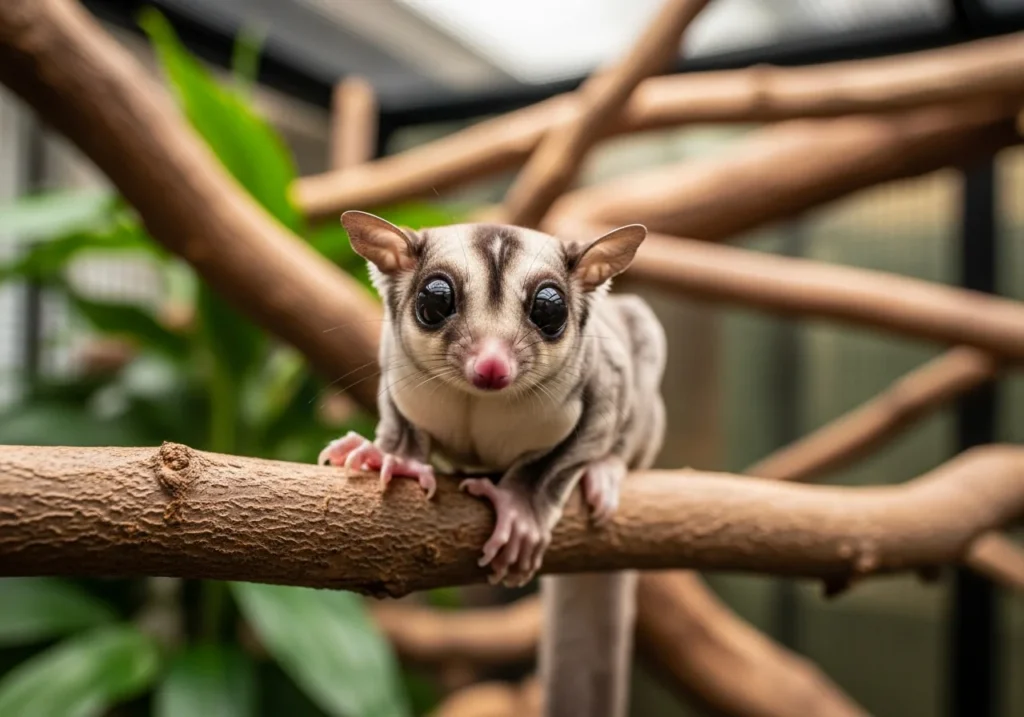
Certain hedgehog and gecko species are commonly recommended for beginners for their relatively well-documented, solitary care needs — but always verify legality in your area and confirm access to an exotic vet before committing.
What Makes an Exotic Pet Beginner-Friendly
The most beginner-friendly exotic species tend to have well-documented care requirements (lots of established information available), relatively forgiving temperature/humidity tolerances, and solitary social needs (no requirement for a same-species companion, which adds complexity).
Species Often Recommended
Leopard geckos are frequently cited as an approachable first reptile — generally hardy with well-documented husbandry requirements. Certain hedgehog species are similarly popular first exotic mammals once their specific temperature and dietary needs are understood.
Species to Approach With More Caution
Sugar gliders, while popular in pet culture, are genuinely demanding — social animals needing companionship and precise dietary balance. Some larger or more specialized reptile and bird species also require more experience than a first-time owner typically has.
Before You Choose
Confirm the species is legal to own in your area, locate an exotic vet nearby, and research documented lifespan and full-grown size — a small hatchling of some species can grow substantially larger than expected.
See our full Exotic Pet Species guide for a broader breakdown by care difficulty.
What Makes an Exotic Pet Genuinely Beginner-Friendly
Look for species with relatively straightforward temperature and diet needs, established local veterinary access, legal ownership in your area, and a reasonable tolerance for the learning curve every new owner goes through. “Beginner-friendly” doesn’t mean low-effort — it means the effort required is more forgiving of early mistakes than a genuinely demanding species.
Hedgehogs as a Common Starting Point
Often recommended for new exotic owners due to solitary housing (no need to manage complex social dynamics), relatively simple dietary needs, and a manageable size — though their defensive curling and occasional standoffishness require patience some new owners don’t expect.
Species That Look Simple But Aren’t
Sugar gliders are frequently marketed as easy exotic pets but actually carry significant social, dietary, and legal complexity that surprises many new owners after purchase. Research thoroughly beyond marketing materials and pet store recommendations before assuming any exotic species is truly low-maintenance.
Starting With a Consultation, Not Just Research
A conversation with an exotic vet or experienced keeper before purchase — not just online research — can surface practical realities that written guides sometimes miss, including honest talk about the actual time commitment and common first-year mistakes specific to a species.
Degus as an Underrated Beginner Option
Diurnal, social, and relatively straightforward in care compared to some nocturnal or solitary exotic species, degus fit typical human schedules better than many alternatives — worth serious consideration for owners specifically hoping for daytime interaction, though their social needs mean pairs or small groups, not solitary housing, work best.
Setting a Realistic First-Year Budget
Beyond the animal’s purchase price, budget for a properly sized enclosure, species-appropriate heating/lighting equipment, ongoing diet costs, and at least one wellness vet visit within the first year — a realistic total budget helps avoid the common mistake of underestimating true first-year costs.
Ferrets as a More Traditional Exotic Option
With a longer domestication history than most other exotic pets, ferrets offer more established veterinary knowledge and community support, though their specific need for ferret-proofed spaces and daily supervised exercise time is a real, ongoing commitment worth understanding before purchase.
Avoiding the “Starter Pet” Trap
No exotic species should be treated as a low-commitment “starter” pet before “graduating” to something else — every exotic animal deserves a genuine, considered commitment to its full lifespan and needs, not a stepping-stone mindset that sets both pet and owner up for a poor outcome.
Final Advice for First-Time Exotic Owners
Choose based on realistic fit, not aspiration; research before you buy, not after; and build a relationship with an exotic vet from day one. These three habits, more than any specific species choice, determine whether a first exotic pet experience goes well.
Reframing “Beginner-Friendly” for the Exotic Pet World
In the dog and cat world, “beginner-friendly” often implies genuinely low effort. In the exotic pet world, it more accurately means a species whose care requirements, while still real and non-trivial, are more forgiving of a learning curve and more supported by available local expertise and community knowledge. No exotic species should be approached with a low-effort mindset — the distinction is really about how much margin for error and available support exists while you’re still building expertise, not about the animal needing less genuine care.
Evaluating Your Own Readiness Honestly
Before choosing any specific species, honestly assess your own situation: Do you have reliable access to an exotic-experienced vet nearby? Can your living situation accommodate the specific temperature, humidity, or space requirements involved? Is your household stable enough to commit to a potentially decade-plus lifespan for some species? Answering these questions honestly, before falling in love with a specific animal, prevents the common and painful outcome of an owner realizing months in that their actual situation can’t support the commitment they’ve made.
A Closer Look at a Few Genuinely Solid Starting Options
Beyond the species already discussed, corn snakes (if reptile ownership specifically interests you, though technically outside the “exotic mammal” category many people picture) are frequently cited by exotic vets as one of the most forgiving reptile species for first-time keepers, thanks to a hardy constitution and straightforward care requirements. Guinea pigs, while sometimes categorized separately from “exotic” pets, share many of the same considerations discussed here and are genuinely well suited to attentive beginners willing to commit to their specific social and dietary needs.
Building Your Support Network Before You Need It
Identify your exotic vet, join a reputable species-specific community, and ideally connect with at least one experienced local keeper before you bring your animal home, not after a problem arises. This support network becomes invaluable during the inevitable early questions and minor uncertainties every new owner faces, and having it in place from day one meaningfully reduces both your stress and the animal’s risk during the settling-in period.
The Value of a Trial Period Mindset
Some experienced keepers recommend a mental “trial period” approach even after acquiring an animal — committing fully to proper care while also honestly assessing after a few months whether the reality matches your expectations and capacity. This isn’t about treating the animal as disposable, but about building in honest self-reflection early enough that if a genuine mismatch does emerge, responsible rehoming through proper channels remains an option before years pass and the situation becomes more difficult to resolve well for everyone involved, including the animal.
Learning From Common First-Year Regrets
Experienced exotic pet communities frequently discuss common first-year owner regrets: underestimating odor or noise, underestimating the specific time commitment of proper enclosure maintenance, or choosing based on a pet store employee’s casual reassurance rather than independent research. Learning from these commonly reported experiences before you buy, rather than discovering them yourself after the fact, is one of the most valuable things a prospective owner can do.
A Final Word of Encouragement
Thorough preparation genuinely pays off — new owners who research carefully and choose thoughtfully consistently report far smoother, more rewarding first years than those who acquired an animal impulsively. The effort upfront is worth it.
The Role of Local Exotic Pet Clubs and Meetups
In areas where they exist, local exotic pet clubs or meetup groups provide hands-on opportunities to interact with various species before committing, and connect with experienced local owners who understand region-specific considerations like local climate or regional vet availability that generic online research can’t fully capture.
Balancing Enthusiasm With Realistic Self-Assessment
Genuine enthusiasm for exotic pets is a good sign of a committed owner, but it works best paired with equally genuine self-assessment about your actual capacity, not just your excitement level. The best long-term outcomes come from owners who bring both passion and honest practicality to the decision.
A Closing Thought
The best beginner exotic pet is ultimately the one you’ve researched thoroughly and can genuinely, sustainably care for — not the one that seems easiest on paper. Trust the preparation process outlined throughout this guide.
One Last Encouragement
Every experienced exotic pet keeper started as a beginner too — the learning curve is real but entirely manageable with the preparation and support network this guide has emphasized throughout.
Checking Legal Status Before Buying a Beginner Exotic Pet
Even species commonly marketed as “beginner-friendly” aren’t automatically legal to own everywhere, and checking local regulations before purchasing — not after — avoids the genuinely common situation of a new owner being forced to surrender or rehome an animal shortly after acquiring it. Requirements range from no restriction at all, to a simple permit, to an outright ban depending on the specific state, county, and sometimes city, and these rules are set independently at each level rather than following one consistent national standard.
The most reliable check is contacting your state’s wildlife or agriculture department directly and asking about the specific species by its full common or scientific name, since informal online lists are frequently outdated or don’t account for local ordinances layered on top of state law. It’s also worth checking any HOA or lease restrictions separately, since a landlord or association ban functions as a practical barrier even when the animal is fully legal at the government level. A five-minute check before buying is dramatically easier than rehoming an animal — and finding it a suitable home — after the fact.
More Exotic Pets Resources
FAQ
Certain species, like leopard geckos, are commonly recommended for beginners due to relatively straightforward, well-documented care requirements.
Many owners find them manageable once initial setup (temperature-controlled housing, appropriate diet) is right, though they're solitary and have specific needs of their own.
Highly social species with complex needs, like sugar gliders, or species with unclear legal status in your area, are generally better suited to more experienced exotic pet owners.
