
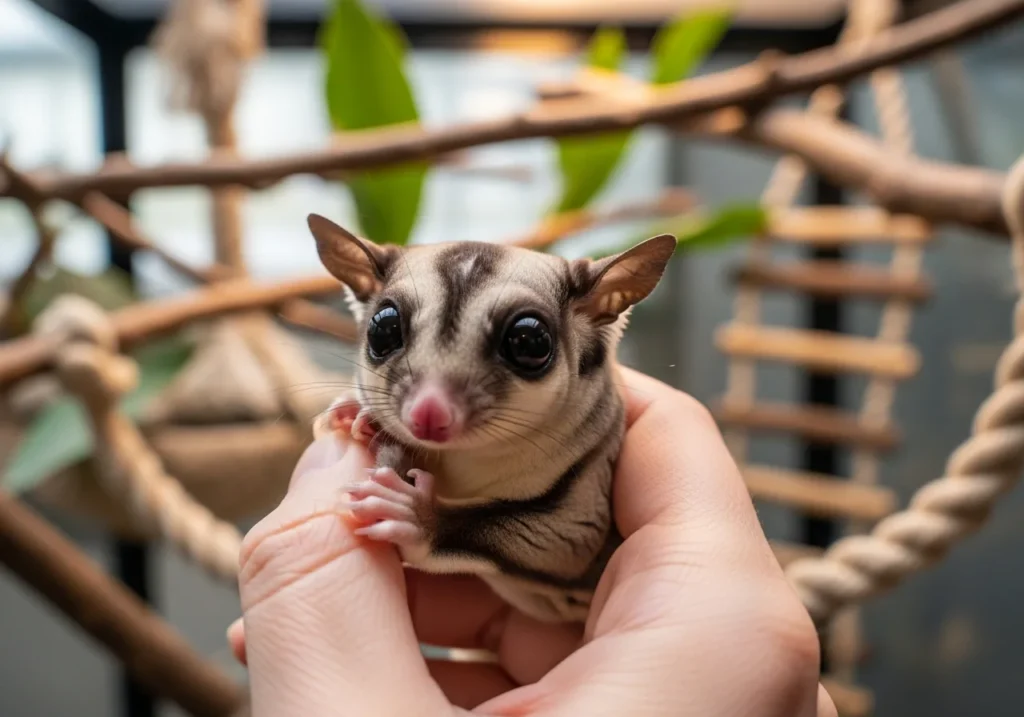
Exotic pets are often exceptionally good at hiding illness — a survival trait from being prey species in the wild that persists even in a safe captive environment. This makes baseline knowledge of your specific pet’s normal behavior essential, since subtle deviations are frequently the only early warning sign.
Husbandry-Related Illness
A large share of exotic pet health problems trace back to husbandry — incorrect temperature, humidity, lighting (especially UVB for many reptiles), or diet — rather than infectious disease. Getting the environmental setup right from day one prevents a large share of the most common health issues in exotic species.
General Warning Signs
- Reduced or stopped eating
- Lethargy or hiding more than usual
- Changes in stool consistency or frequency
- Visible weight loss
- Unusual discharge from eyes, nose, or mouth
Because normal behavior varies so much by species, learning your specific pet’s individual baseline — its usual activity pattern, appetite, and habits — is the best tool for spotting when something’s off.
Finding a Specialist Vet
Not every veterinary practice treats exotic species. Before you need one in an emergency, find and register with an exotic-animal or “avian and exotic” vet in your area, and ask about after-hours emergency options.
Preventive Care
Routine health monitoring — regular weigh-ins, visual checks, and an annual wellness visit if your vet recommends one for the species — catches problems earlier than waiting for obvious symptoms.
See Signs Your Exotic Pet Is Sick for a closer look at specific red-flag symptoms.
Signs of Illness Are Often Subtle
Small exotic prey species have strong instincts to hide illness, since appearing weak makes them a target in the wild — this instinct doesn’t disappear in captivity. Reduced activity, appetite changes, and altered droppings are often the first and sometimes only visible signs before a condition becomes serious, which is exactly why regular, attentive observation matters more with these species than with more expressive pets like dogs.
Metabolic Bone Disease — A Recurring Theme
Covered in nutrition but worth repeating in a health context: weak bones, tremors, difficulty moving, and fractures from minor incidents can all stem from long-term calcium or UVB deficiency. This is largely preventable with correct diet and lighting from the start, and largely irreversible once advanced — prevention matters enormously here.
Respiratory Issues
Many small exotic species are sensitive to poor air quality, drafts, and temperature swings, making respiratory infections a common issue in improperly maintained habitats. Symptoms include labored breathing, discharge from nose or eyes, and lethargy — these warrant prompt exotic vet attention, since small body size means conditions can progress quickly.
Dental Issues in Species With Continuously Growing Teeth
Species like chinchillas and degus have continuously growing teeth that require appropriate chew material and diet to wear down naturally — inadequate chewing opportunities lead to overgrown teeth, which cause pain and difficulty eating, sometimes requiring veterinary correction.
Building an Exotic-Specific First Aid Kit
A basic kit should include a digital scale sensitive enough for small body weights (weight loss is often the earliest measurable sign of illness in small exotics), a heat source for supporting a sick animal, and your exotic vet’s contact information readily available. Regular weighing — weekly for most small species — is one of the single most useful health monitoring habits an owner can build.
Stress as a Genuine Health Factor
Chronic stress from inadequate habitat size, incorrect social housing, excessive handling, or environmental noise can suppress immune function and contribute to illness in sensitive exotic species. Addressing environmental stress isn’t a soft, optional consideration — it’s a real component of physical health for these animals.
Quarantine Practices When Adding a New Animal
If adding a second animal to an existing collection, a quarantine period (often 30-90 days depending on species) in a separate space, with separate equipment, reduces the risk of introducing illness to existing pets. This is standard practice among experienced keepers and worth following even though it requires patience.
Record-Keeping for Long-Term Health Tracking
A simple log of weights, diet, enclosure conditions, and any health observations over time helps both you and your vet spot gradual trends that would be easy to miss relying on memory alone, especially valuable for species with subtle or slow-developing health issues.
Understanding Baseline Bloodwork
An initial wellness exam with bloodwork, even for a healthy-seeming young animal, establishes baseline values specific to your individual pet — genuinely useful for a vet to compare against if illness is suspected later, since “normal” ranges can vary somewhat between individuals even within a species.
Managing Chronic Conditions Long-Term
Some exotic species commonly develop manageable chronic conditions with age (dental issues in chinchillas, for example) that require ongoing management rather than a one-time cure. Understanding this reality early helps owners budget appropriately and set realistic long-term care expectations.
A Preventive Mindset Pays Off
As with most animals, prevention — correct diet, appropriate environment, regular monitoring, and an established vet relationship — costs far less in money, stress, and animal welfare than treating advanced illness after the fact. Build these habits from day one rather than waiting for a health scare to prompt better practices.
The Value of Establishing Vet Care Before You Need It
Waiting until an emergency to find an exotic-experienced vet is one of the most common and consequential mistakes new owners make. Exotic veterinary care is a specialized field, and not every general practice veterinarian has genuine experience with every exotic species — some have deep expertise in reptiles but limited experience with small mammals, or vice versa. Research and establish a relationship with an appropriately experienced vet, ideally through an initial wellness visit, well before any health concern arises, so that if an emergency does happen, you’re not simultaneously searching for care and managing a crisis.
Understanding the Limits of At-Home Assessment
While owner observation and basic monitoring are genuinely valuable, they have real limits — many internal health issues in small exotic species aren’t detectable through external observation alone, even by an attentive owner. Regular wellness exams, sometimes including bloodwork or other diagnostics your vet recommends based on your specific species and its risk factors, catch issues that no amount of careful home observation can reliably identify. Treat professional veterinary care as a complement to home monitoring, not a replacement made unnecessary by attentive ownership.
Recognizing the Difference Between Acute and Gradual Onset
Some health issues in exotic pets develop suddenly and dramatically, while others progress slowly enough that they’re easy to miss without the kind of consistent baseline monitoring discussed throughout this guide. A sudden, severe symptom always warrants immediate attention, but don’t dismiss gradual changes as “just aging” or “probably nothing” without at least a conversation with your vet — some genuinely serious conditions present exactly this way, and early intervention still matters even when the onset wasn’t dramatic.
Cost Planning for Exotic Veterinary Care
Exotic veterinary visits, diagnostics, and treatment often cost more than equivalent care for a dog or cat, reflecting the specialized expertise and often lower patient volume exotic vets work with. Building a small emergency fund specifically earmarked for pet care costs, or researching exotic-pet-inclusive insurance options where available, helps ensure a financial surprise doesn’t delay necessary care during a genuine health situation.
A Closing Perspective on Prevention
Nearly everything in this guide traces back to one theme: consistent observation and proactive care prevent far more problems than they catch after the fact. Build these habits early, and most exotic pets live long, genuinely healthy lives with comparatively few serious health crises.
Understanding Diagnostic Limitations With Exotic Species
Veterinary diagnostic tools and reference ranges are far better established for dogs, cats, and even common farm animals than for many exotic species, simply due to the volume of research investment each category has received historically. This means an exotic vet sometimes works with less definitive diagnostic certainty than you might expect from a standard cat or dog visit, relying more heavily on clinical experience and careful observation. Understanding this reality helps set appropriate expectations rather than assuming every visit will produce the same clear-cut answers a dog or cat owner might be used to.
The Growing Field of Exotic Animal Medicine
Exotic veterinary medicine has expanded significantly in recent decades, with more dedicated training programs, specialty certifications, and published research than in previous generations. This is genuinely good news for owners — but it also means staying current matters, since best practices for some species have shifted meaningfully even within the last decade. A vet who continues professional development in exotic medicine specifically tends to offer noticeably better-informed care than one working from older, more generalized training.
Quarantine Protocol for Newly Acquired Exotic Pets
A structured quarantine period for any new exotic pet protects both the new arrival and any existing animals in the household, and skipping it — even for an animal that appears outwardly healthy — is one of the more common ways a preventable illness spreads through an entire collection. The standard recommendation is a minimum of 30 days of complete separation, including separate handling order (new animal last, with a full hand-wash or glove change between), separate equipment such as feeding tools and enclosure furnishings, and ideally separate airflow if housing multiple enclosures in the same room.
During this period, monitor closely for the specific warning signs relevant to that species — appetite, stool consistency, activity level, and any visible skin, shell, or feather changes — and keep a simple written log, since subtle trends are much easier to catch in a log than from memory alone. A fecal parasite check with an exotics vet partway through the quarantine window catches many of the most common transmissible issues before they have a chance to spread, and is worth the appointment even for an animal that seems perfectly fine on the surface.
More Exotic Pets Guides
FAQ
As prey animals in the wild, many exotic species instinctively mask weakness to avoid attracting predators — a trait that persists in captivity and makes illness harder to spot early.
Search for 'exotic animal vet' or 'avian and exotic vet' near you, or ask exotic-pet-specific online communities or breeders for local recommendations — general vets often can't treat exotic species.
Husbandry-related illness — problems caused by incorrect temperature, humidity, or diet rather than infectious disease — is extremely common and largely preventable with correct setup.
