

The best bird food is a formulated pellet diet appropriate to your bird's species and size, supplemented daily with fresh vegetables — avoid all-seed mixes marketed as complete "bird food."
The best bird food is a formulated pellet diet appropriate to your bird’s species and size, supplemented daily with fresh vegetables — avoid all-seed mixes marketed as complete “bird food.”
Top Picks by Category
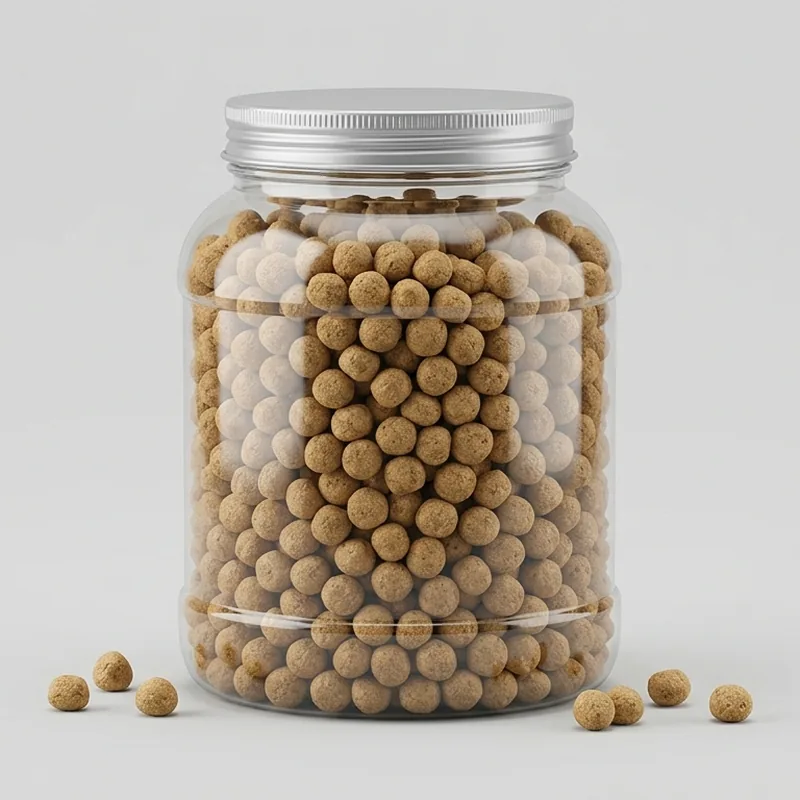
Species-Sized Formulated Pellets
The nutritional base for most pet birds — choose the size matched to your species (small for budgies, larger pellet for big parrots).
Check Price on Amazon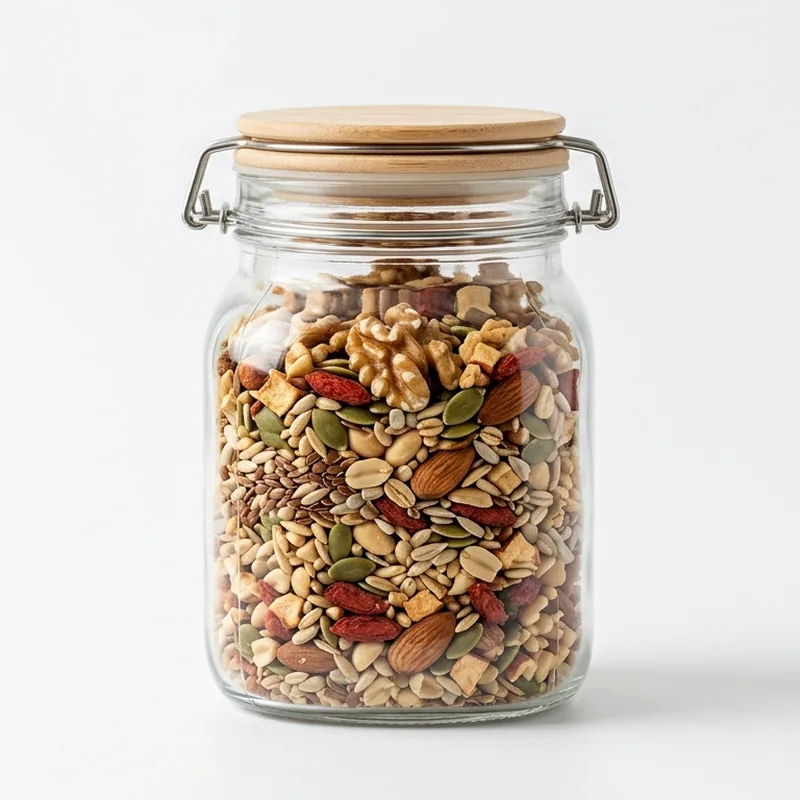
Limited Seed & Nut Treat Mix
Fine as an occasional treat, not a dietary staple — keep portions small.
Check Price on AmazonWhat to Avoid
Skip all-seed “complete diet” mixes despite the label claim — seeds alone don’t meet a bird’s full nutritional needs long-term. Also avoid dyed or heavily processed treat mixes with unclear ingredient sourcing.
How to Read a Bird Food Label
Bird food labels can be misleading if you don’t know what to look for. “Complete diet” on a seed bag doesn’t mean nutritionally complete in a meaningful sense — it usually just means it’s marketed as a bird’s full diet, not that it meets a bird’s actual vitamin, mineral, and amino acid needs the way a properly formulated pellet does. Look instead for a formulation statement referencing AAFCO or a similar nutritional standard, and check that the first ingredients are whole grains or protein sources rather than a long list of individual seed types (which is often a sign of a seed mix dressed up as a “formula”).
Species-specific formulas matter more than generic “parrot food” labeling suggests — a formula built for small hookbills (budgies, cockatiels) has a different nutrient balance than one built for large macaws, since body size, metabolism, and natural diet vary significantly across bird sizes.
Pellet Types: Extruded vs. Pelleted
Not all pellets are made the same way. Extruded pellets are cooked under heat and pressure into a denser, uniform shape, which most birds find easy to eat and which tends to hold nutritional value well. Pelleted (cold-pressed) formulas are less processed but can be less consistent in texture, and some birds are pickier about accepting them. Neither type is objectively better across the board — the right choice often comes down to what your specific bird will actually eat consistently, since a nutritionally perfect pellet that a bird refuses to touch provides no benefit at all.
Transitioning a Seed-Addicted Bird to Pellets
This is one of the most common struggles bird owners face, since birds can be genuinely stubborn about trying new foods — an instinct that likely evolved to avoid eating unfamiliar, potentially toxic items in the wild. A gradual approach works best: mix a small amount of pellets into the existing seed dish, slowly increasing the ratio over several weeks. Some owners find success offering pellets in the morning when a bird is hungriest, or moistening pellets slightly to change the texture and make them more appealing initially. Never remove seed entirely overnight in an attempt to force the switch — a bird that refuses to eat for more than 24-48 hours is at real risk, so slow, monitored transitions are always safer than an abrupt one.
Fresh Food as Part of “Best” Bird Food
No pellet, however well-formulated, fully replaces the benefit of fresh food in a bird’s diet. Rotating in dark leafy greens, bell peppers, carrots, and a modest amount of fruit adds variety, natural enrichment (birds enjoy the different textures and colors), and nutrients that some formulas don’t fully replicate. Treat fresh food as a genuine daily component of “the best diet,” not just a periodic bonus — most avian vets recommend fresh vegetables make up a meaningful daily portion alongside pellets, not an occasional treat.
Specialty Diets by Species Category
- Lories and lorikeets need a nectar-based or specialized lory diet — standard parrot pellets aren’t appropriate for their digestive system, which is built around a naturally liquid, sugar-rich wild diet.
- Finches and canaries generally do better on a quality finch-specific seed and pellet blend rather than parrot-formulated pellets, which are sized and balanced differently.
- African greys benefit from formulas or supplementation with attention to calcium content, given this species’ documented tendency toward calcium-related health issues.
- Conures and larger parrots often do well on a slightly higher-fat formula than small hookbills need, reflecting their more active, higher-energy nature.
Treats and Supplements: What’s Actually Worth Buying
Millet spray is a genuinely useful training treat for small birds since it’s easy to break into small pieces and most birds find it highly motivating — but it should stay a training/treat tool, not a dietary staple, given its low overall nutrition relative to a formulated pellet. Cuttlebone and mineral blocks are worth having available continuously as a calcium source and natural beak-conditioning tool, and they’re inexpensive relative to the benefit. Be more skeptical of flavored “vitamin” treat sticks with long ingredient lists — many are closer to candy than supplementation, with sugar or honey binding agents making up a large share of the product.
Storage: Keeping Food Fresh and Safe
Pellets and seed both lose nutritional value and can develop mold or pest issues if stored poorly. Keep dry food in an airtight container, away from direct sunlight and humidity, and buy in quantities your bird will finish within about 2-3 months rather than bulk-buying a year’s supply that slowly degrades in the pantry. Check for any musty smell, clumping, or visible pests before each refill — bird digestive systems are sensitive, and spoiled food is a genuine health risk, not just a “probably fine” situation.
Cost Comparison: Budget vs. Premium Formulas
Premium, veterinary-recommended pellet brands typically cost more per pound than budget grocery-store bird food, but the cost difference is often smaller than it looks once you account for how much less waste there is — premium formulas tend to have less discarded husk and more consistent eating, meaning a bag often lasts comparably long despite the higher per-pound price. For most owners, choosing a mid-to-premium pellet brand recommended by an avian vet is a better long-term value than the cheapest seed mix on the shelf, both nutritionally and in terms of long-term vet costs avoided from diet-related illness.
Signs a Food Isn’t Working for Your Bird
- Consistent leftover food or heavy selective eating — picking out only certain pieces suggests the formula isn’t appealing enough, risking an unbalanced actual intake.
- Dull, patchy feathers or excessive feather dust — can point to a nutritional gap, though it’s worth ruling out other causes too.
- Changes in droppings — a sudden shift in color, consistency, or volume after a food change is worth monitoring closely for a few days.
- Weight loss or gain without a corresponding change in fed amount — suggests the new food’s calorie density differs meaningfully from what you were feeding before.
Any of these combined with lethargy or appetite loss warrants a vet visit rather than just another food switch — some symptoms that look diet-related are actually early signs of illness.
Choosing Between Competing Premium Brands
Once you’ve settled on pellets over seed, the remaining choice between reputable premium brands often comes down to your bird’s actual preference and any specific health needs, more than one brand being objectively superior to another. A few practical tie-breakers: check whether the brand offers a formula specific to your bird’s exact size category, look at whether independent avian vets commonly recommend it, and consider starting with a small bag before committing to bulk, since acceptance varies bird to bird even among high-quality options.
Buying Bird Food Online vs. In-Store
Online ordering is convenient and often cheaper per pound for bulk bags, and it’s easier to compare ingredient lists and reviews before buying. The tradeoff is freshness — bird food purchased online can sit in a warehouse or shipping process longer than a bag pulled directly from a well-stocked pet store’s shelf. Check bag production or best-by dates carefully either way, and if buying online, favor sellers with visibly high turnover (recent reviews mentioning fresh product) over the cheapest listing available.
A Practical Starting Checklist
If you’re starting from scratch, a simple approach works well: pick a reputable, species-sized pellet formula as the base, plan a gradual transition if your bird is currently seed-dependent, add fresh vegetables daily from day one, keep treats (seed mixes, millet, nuts) to a small supporting role, and store everything in airtight containers bought in amounts you’ll use within a couple of months. This covers the fundamentals that matter most, regardless of which specific brand you ultimately settle on.
Whatever you choose, revisit the decision periodically rather than treating it as permanent — a bird’s nutritional needs shift with age, health status, and even season, and the “best” food for a young, active bird isn’t necessarily the best choice a decade later for the same bird in its senior years.
If in doubt about a specific product’s suitability, an avian vet or a bird-specific rescue/rehoming group can usually give a quick, brand-agnostic opinion faster than sorting through conflicting marketing claims on your own.
More Birds Resources
FAQ
Look for a formulated pellet product specifically labeled as nutritionally complete for your bird's species and life stage, rather than a seed mix labeled generically as 'bird food.'
It's possible but requires careful nutritional formulation to avoid deficiencies — consult an avian vet before relying on a homemade diet as the primary food source.
Yes — pellet size is typically matched to bird size, from fine crumbles for small birds to larger pellets for big parrots, to match beak size and chewing ability.
