

The best cat litter for most cats is an unscented, clumping clay or plant-based formula — most cats strongly prefer unscented litter, and scented varieties are a common cause of litter box avoidance.
The best cat litter for most cats is an unscented, clumping clay or plant-based formula — most cats strongly prefer unscented litter, and scented varieties are a common cause of litter box avoidance.
Top Picks by Category
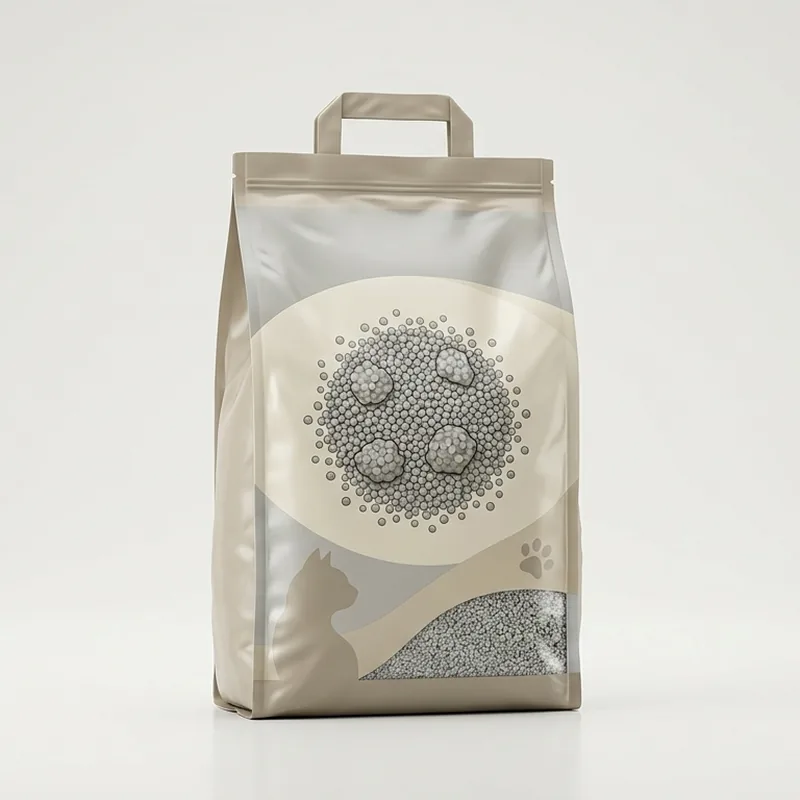
Unscented Clumping Clay Litter
Widely preferred by cats, easy to scoop, and budget-friendly — the safest default choice.
Check Price on Amazon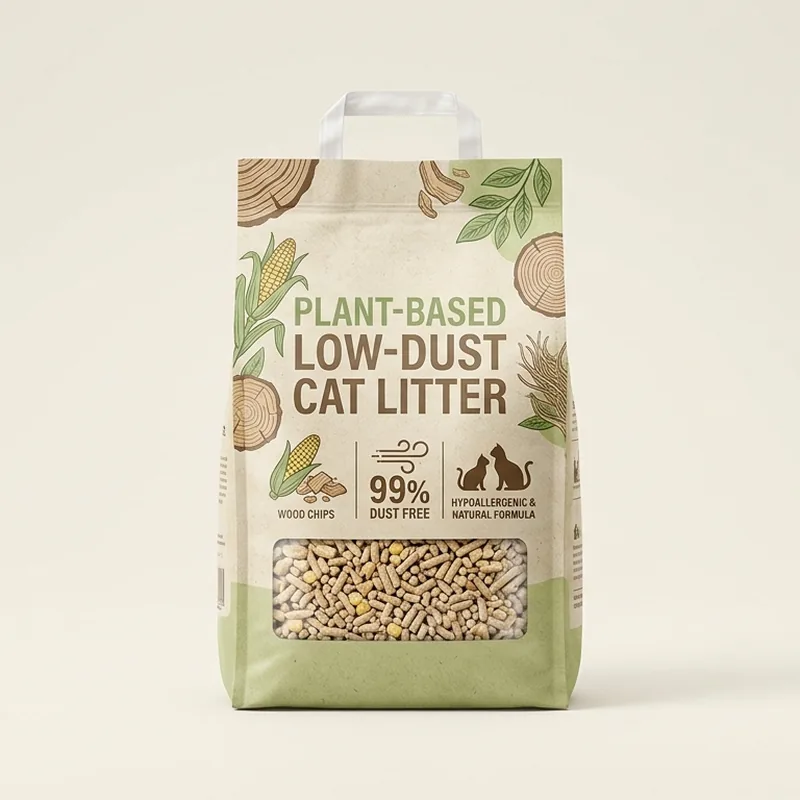
Low-Dust Plant-Based Litter
Made from materials like corn or wood, generates less airborne dust — useful for cats or owners with respiratory sensitivity.
Check Price on Amazon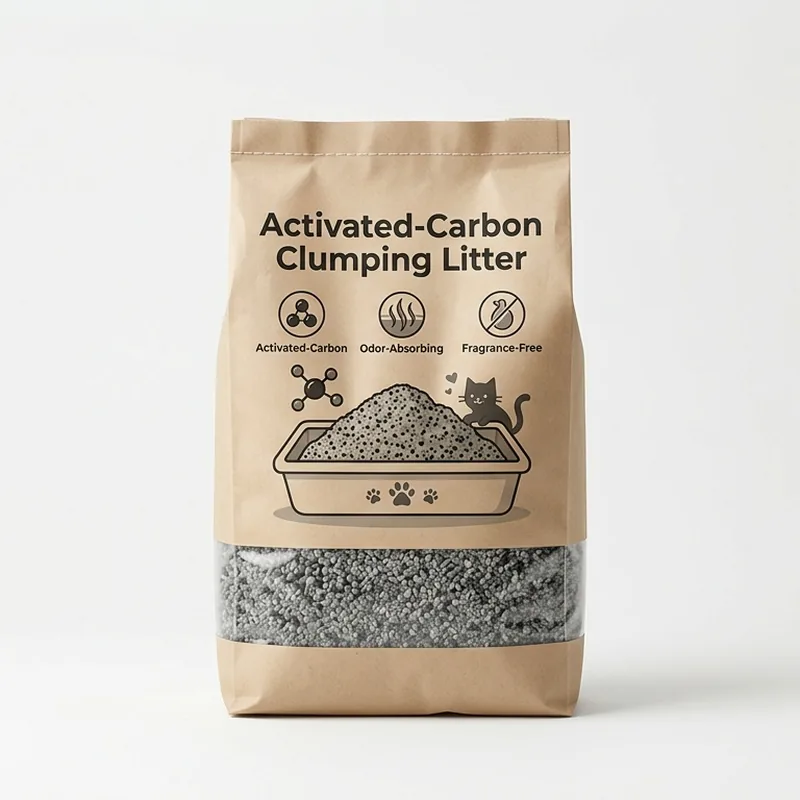
Activated-Carbon Clumping Litter
Added odor-absorbing ingredients without added fragrance, which most cats tolerate better than scented options.
Check Price on AmazonWhy Unscented Wins
Cats have a far stronger sense of smell than humans, and heavily fragranced litter can be genuinely unpleasant enough to cause them to avoid the box entirely — leading to “inappropriate elimination” that’s really just a litter preference issue.
Clay vs. Plant-Based vs. Crystal Litter: Real Differences
Clumping clay litter (usually bentonite-based) remains the most widely used option because it clumps tightly, controls odor well through absorption, and is inexpensive relative to alternatives. The tradeoff is dust — even “low-dust” clay formulas generate some airborne particulate, which matters for cats or owners with asthma or respiratory sensitivity, and clay litter isn’t biodegradable, an increasing concern for environmentally minded owners.
Plant-based litters (corn, wheat, wood, paper, walnut shell) have become popular alternatives, generally lower in dust and biodegradable, though clumping quality and odor control vary more by brand than with clay, where the category is more standardized. Crystal (silica gel) litter absorbs liquid rather than clumping, controlling odor differently — some owners like the lower maintenance (scoop solids, replace fully every couple weeks), while others find the texture less appealing to cats than a finer, sand-like clumping litter.
Litter Box Size and Number: Getting the Setup Right
Even the best litter won’t solve avoidance problems caused by an inadequate box setup. The standard rule of thumb is one litter box per cat plus one extra (so two cats need three boxes), placed in different locations around the home rather than clustered together, since some cats won’t share a box even if there are technically “enough” boxes in one spot. Box size matters too — a box that’s too small for the cat to turn around comfortably or dig properly is a common, overlooked cause of litter avoidance that has nothing to do with the litter type itself.
Depth and Scooping Frequency
Litter depth of about 2-3 inches gives most cats enough material to dig and bury properly — too shallow and cats can’t perform natural burying behavior, which is both instinctual and a scent-marking-avoidance behavior in multi-cat or multi-pet homes. Scooping should happen at least once daily, ideally twice for multi-cat households, since cats are notably sensitive to a soiled box and will readily start avoiding it in favor of a rug, bathtub, or other surface if cleaning falls behind. A full litter change (dumping everything and washing the box) should happen roughly every 2-4 weeks for clumping litter, more often for non-clumping types.
Switching Litter Without Triggering Avoidance
Cats can be surprisingly particular about litter texture and will sometimes refuse a new type outright, even one that seems objectively similar to what they were using before. A gradual transition — mixing increasing ratios of new litter into the old over 1-2 weeks — reduces the risk of an abrupt switch causing box avoidance. If you must switch quickly (allergy discovery, availability issue), keep the old litter type available in a second box temporarily while the cat adjusts, rather than removing all familiar options at once.
Litter and Health: What Changes to Watch For
Litter habits are one of the most useful health windows a cat gives you daily. Straining with little output, visiting the box frequently without producing much, or vocalizing while in the box are all signs that warrant a same-day vet call, particularly in male cats where urinary blockages can become life-threatening within a day or two. Softer or harder stool than usual, changes in urine clumping size, or a sudden increase or decrease in frequency are all worth tracking, especially in senior cats where kidney disease is common and often first shows up as a subtle litter-habit change before anything else.
Litter Mats and Tracking Control
Litter tracking outside the box is a near-universal frustration, and while no solution eliminates it completely, a textured litter mat placed directly outside the box entrance catches a meaningful amount of litter clinging to paws. Larger-grain litters tend to track less than fine, sand-like textures, which is worth factoring in if tracking is a bigger household concern than dust or clumping quality. Front-entry covered boxes can also reduce scatter during digging, though some cats dislike enclosed boxes enough that the tracking reduction isn’t worth the resulting avoidance.
Multi-Cat Households: Litter Preferences Can Differ
In homes with more than one cat, it’s worth knowing that individual cats can have genuinely different litter preferences — one cat may love a plant-based formula while another consistently avoids it in favor of clumping clay. If you’re noticing one cat in a multi-cat home avoiding the box more than others, offering a couple of different litter types across different boxes (rather than assuming all cats will accept a single household standard) can resolve what looks like a behavior problem but is really just a preference mismatch.
Kittens and Litter: Special Considerations
Very young kittens (under about 4 months) should avoid clumping clay litter specifically, since kittens sometimes ingest litter while learning to use the box, and clumping clay can cause digestive blockages if swallowed in any real quantity. Non-clumping clay, paper-based, or a kitten-specific formula is the safer choice until the kitten is reliably using the box without mouthing the litter. Once a kitten transitions to solid food and reliable box habits are established (typically by 4-6 months), a switch to standard clumping litter is generally fine.
Litter and Respiratory-Sensitive Households
For cats or owners with asthma or other respiratory sensitivities, litter dust is a genuinely relevant factor, not just a marketing angle. Low-dust or dust-free formulas (often plant-based, though some clay brands now market low-dust clumping versions) reduce airborne particulate meaningfully. Pouring litter gently from a lower height rather than dumping from box height, and choosing a covered box with good ventilation but positioned away from an HVAC return, can further reduce dust exposure in a sensitive household.
Cost Comparison Across Litter Types
Clumping clay remains the most budget-friendly option at roughly $0.50-$1 per pound, with a typical multi-cat household spending $20-$40 a month depending on box count and cat number. Plant-based litters generally run somewhat higher per pound, often $1-$2, though some owners find they use less volume due to better clumping efficiency, partially offsetting the price gap. Crystal litter has a higher upfront cost per bag but lasts longer between full changes, which can make the effective monthly cost more comparable to clumping options than the shelf price alone suggests. For most households, budget shouldn’t be the deciding factor over what a specific cat will actually and reliably use — a cheaper litter a cat avoids ends up costing more in cleaning, replacement, and potential vet visits for stress-related issues than a slightly pricier litter that works.
Environmental Considerations
Clay litter, while effective and affordable, is strip-mined and not biodegradable, which matters increasingly to environmentally conscious owners. Plant-based litters (corn, wheat, walnut, pine, paper) are generally more sustainable and often compostable (though composted cat waste shouldn’t be used on edible gardens due to potential parasite risk, specifically toxoplasmosis). For owners weighing environmental impact alongside performance, testing one or two plant-based options against your cat’s actual acceptance is worth the effort before assuming clay is the only workable choice.
Troubleshooting Persistent Litter Box Avoidance
If a cat is consistently avoiding the litter box despite trying different litter types, box locations, and maintaining a clean box, a vet visit should come before further litter experimentation — persistent avoidance is a common and reliable sign of an underlying medical issue (urinary tract problems, arthritis making the box’s sides hard to step over, digestive discomfort) rather than a pure preference problem. Ruling out medical causes first prevents weeks of frustrating trial-and-error with litter brands when the real issue was never about the litter at all.
The Bottom Line on Choosing Litter
Starting with an unscented, clumping formula remains the safest default for a new cat or when troubleshooting an existing avoidance issue, since it eliminates fragrance as a variable and gives reliable clumping for easy daily maintenance. From there, adjust based on your specific circumstances — dust sensitivity, environmental preference, kitten age, or multi-cat dynamics — rather than assuming one “best” litter applies universally. The right litter is ultimately whichever one your specific cat consistently and comfortably uses, which sometimes takes a bit of trial and error to identify.
Keep a small backup supply of whatever litter your cat is currently using on hand at all times — running out and being forced into an unplanned brand switch, even temporarily, is a surprisingly common and avoidable trigger for litter box problems.
More Cats Resources
FAQ
For clumping litter, scoop daily and do a full change every 2-4 weeks depending on the number of cats and box count. Non-clumping litter needs full changes more frequently, every few days.
Common reasons include a dirty box, disliked litter type or scent, a box that's too small, or a medical issue — persistent avoidance is worth a vet check to rule out urinary problems.
Clumping litter is generally easier to maintain since it isolates waste for easy daily scooping, which most cats and owners prefer.
