

Unlimited grass hay plus a measured, species-appropriate pellet is the foundation for rabbits and guinea pigs; a quality seed/pellet mix works as the hamster base diet.
| Food | Best For |
|---|---|
| Timothy Hay | Rabbits & guinea pigs — unlimited daily |
| Vitamin-C Fortified Pellets | Guinea pigs specifically |
| Seed/Pellet Mix | Hamsters, mice |
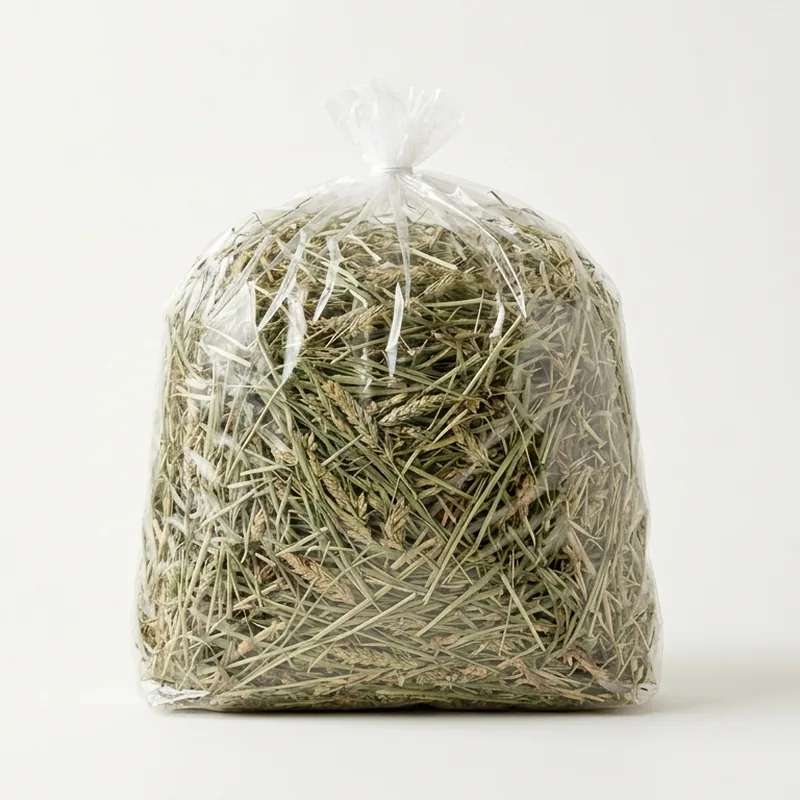
Timothy Hay
The foundation of a healthy rabbit or guinea pig diet — should always be available in unlimited amounts.
Check Price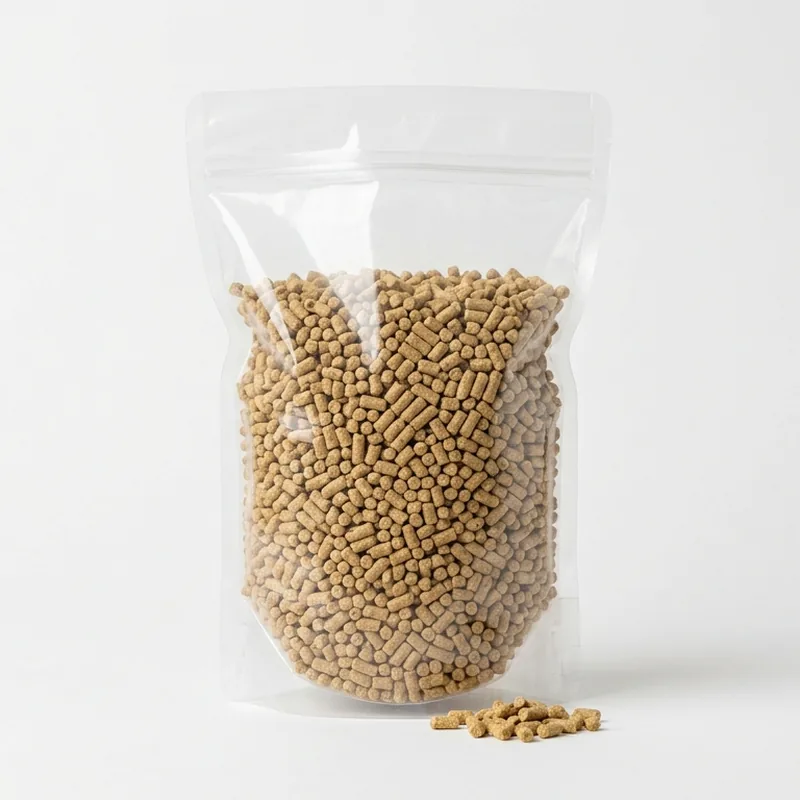
Vitamin-C Fortified Pellets
Covers a nutritional gap guinea pigs can’t fill on their own — an easy way to prevent deficiency.
Check PriceReading Labels the Right Way
The front of a bag of small-pet food is marketing; the ingredient list on the back is the actual product. A quality hay-based pellet for rabbits or guinea pigs lists a named hay (timothy, for most adults) as the first ingredient, not corn, wheat, or unspecified “grain products.” Muesli-style mixes with dried fruit, seeds, and colorful pieces look appealing on shelf but encourage selective eating — animals pick out the tasty bits and leave the rest, undermining the “complete nutrition” claim on the bag despite it technically being balanced if eaten in full.
Species-Specific Food Needs
Rabbits and guinea pigs both need hay-based diets, but guinea pigs specifically require added vitamin C, which rabbit-formulated food doesn’t reliably provide — always confirm a pellet bag is labeled specifically for guinea pigs, not a generic “rabbit and guinea pig” mix. Hamsters and mice do well on a quality seed/pellet blend. Rats need a dedicated rat-formulated lab-block style pellet rather than a generic “rodent” mix, since their nutritional needs (and obesity risk) differ meaningfully from smaller rodents like mice.
Hay Quality Matters as Much as Pellets
For rabbits and guinea pigs, hay quality deserves as much attention as pellet quality, since it makes up the majority of the diet. Look for hay that’s green (not yellow or brown, a sign of age or poor storage), smells fresh rather than musty, and is free of visible mold or excessive dust. Buying from a supplier with reasonable turnover, rather than a bag that’s been sitting on a shelf for an unknown length of time, generally means fresher, more nutritious hay.
Transitioning Between Foods
When switching pellet brands or types, mix increasing ratios of new to old food over 7-10 days rather than swapping abruptly, which can cause digestive upset, especially in rabbits and guinea pigs. Introduce new fresh vegetables one at a time in small quantities, watching for soft stool before adding another new item to the rotation.
Budget-Friendly Feeding Without Cutting Corners
Buying hay in bulk (where storage allows) is typically the most effective way to reduce ongoing food costs without compromising quality, since per-unit price usually drops meaningfully at larger quantities. Pellets are worth buying in a size you’ll use within a few months, since nutritional potency — especially added vitamin C for guinea pigs — degrades over time once a bag is opened, making very large bags a false economy for smaller households with just one or two animals.
Top Picks by Feeding Need
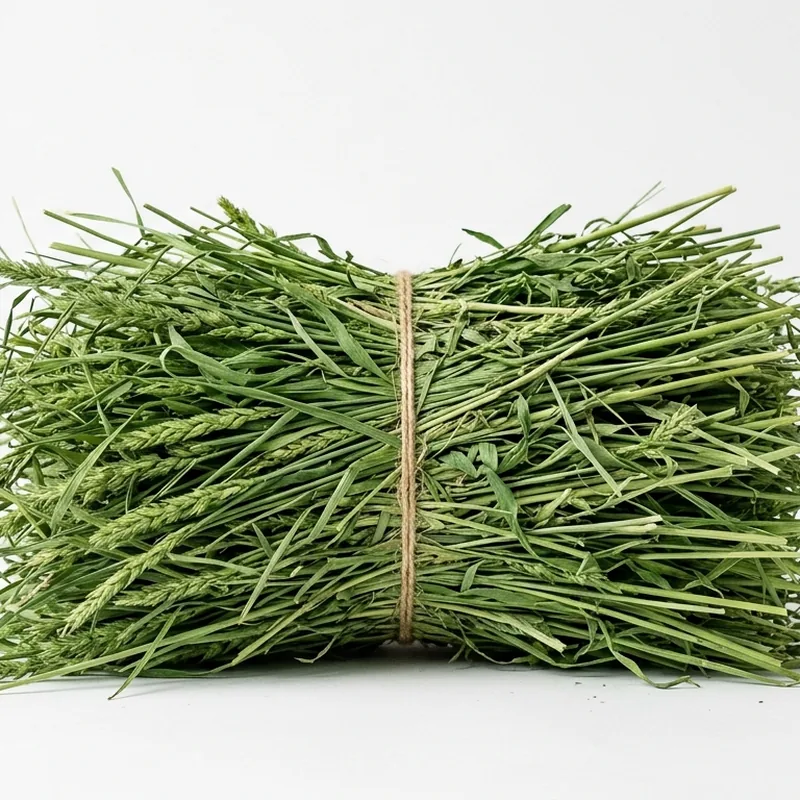
Premium Timothy Hay
Green, fresh-smelling, minimal dust — the dietary foundation for rabbits and guinea pigs.

Vitamin-C Fortified Guinea Pig Pellet
Specifically formulated (not a generic rabbit/guinea pig mix) to meet guinea pigs’ unique vitamin C requirement.

Quality Seed and Pellet Blend
Balanced base diet, ideally without excessive dried fruit or sugary add-ins that encourage selective eating.
Fresh Food Rotation Ideas
For rabbits and guinea pigs, rotate leafy greens like romaine and cilantro with modest amounts of bell pepper (a strong vitamin C source for guinea pigs specifically) and herbs like parsley or basil. For rats, small amounts of lean cooked protein, vegetables, and the occasional whole grain make good additions to a base pellet diet. Rotating rather than repeating the same one or two items daily better mimics natural dietary variety and reduces the risk of any single food causing a sensitivity issue.
The Bottom Line on Feeding Choices
Good small-pet nutrition isn’t complicated once you know the fundamentals — a named-hay-first pellet, unlimited quality hay for hay-dependent species, measured portions, and a rotating selection of fresh, species-appropriate vegetables covers the vast majority of what any small pet needs to thrive long-term.
Foods That Are Genuinely Dangerous
Some human and even some pet-marketed foods are outright dangerous rather than simply “not ideal.” Chocolate and caffeine are toxic across essentially all small-pet species. Onions, garlic, and rhubarb leaves are harmful. Avocado is dangerous for several small mammal species. Iceberg lettuce, while not toxic, offers minimal nutrition and can cause digestive upset if it makes up a large share of the diet, especially compared to more nutrient-dense leafy greens. Always check a species-specific safe-food list before offering anything new rather than assuming a food is fine because it’s healthy for humans.
Commercial Treats Worth Skepticism
Many treats marketed specifically for small pets are surprisingly high in sugar or fat relative to what these animals actually need — yogurt drops, in particular, are a well-known example that many veterinary sources now recommend avoiding or using very sparingly, despite widespread marketing as a “healthy” treat. Reading the ingredient list on treat packaging with the same scrutiny as regular food, rather than assuming pet-store treats are automatically appropriate, avoids accidentally overloading a small animal’s tiny calorie budget.
Feeding for Dental Health
For species with continuously growing teeth — rabbits, guinea pigs, and several rodents — diet is directly tied to dental health, not just general nutrition. Unlimited hay provides the chewing action needed to naturally wear down teeth; a diet too heavy in soft pellets and too light on hay contributes meaningfully to dental overgrowth over time. This is one of the clearest examples of how a seemingly minor feeding choice compounds into a genuine, sometimes serious health issue over months and years.
Adjusting Food Choices Seasonally
Fresh vegetable availability and quality can shift seasonally depending on where you shop, and it’s worth having a rotating list of 4-5 safe options for your specific species so you’re not relying on a single vegetable that might not always be available or fresh. Some owners also adjust portions slightly with activity level changes across seasons, though this should be based on observed body condition rather than a fixed seasonal rule.
Where to Buy Quality Food
Pet specialty stores and stores with genuine small-pet-focused inventory tend to carry fresher hay and more appropriately formulated pellets than general grocery stores, where small-pet food sometimes sits for longer periods before purchase. Checking bag or package dates when available, and buying from retailers with reasonable turnover, helps ensure you’re getting food that hasn’t been sitting in storage for months before it reaches your pet’s bowl.
Storing Food to Preserve Freshness
Store hay somewhere dry and well-ventilated rather than sealed airtight, which traps moisture and can encourage mold. Pellets last longer in a cool, dry location away from direct sunlight, in a rodent- and insect-proof container. Buying smaller quantities more frequently, rather than one large bag that sits half-used for months, keeps nutritional quality higher — this matters especially for vitamin-C-fortified guinea pig pellets, since that vitamin degrades notably faster than other nutrients once a bag is opened.
Multi-Pet Feeding Considerations
In households with multiple small pets, even of the same species, watch for one animal consistently out-competing another at shared food stations — this can go unnoticed if you’re only checking that the bowl overall is empty rather than observing each individual animal’s actual intake. Multiple feeding stations spread around the enclosure reduce competition and give a fairer chance for every animal to get an appropriate share.
When Food Choices Aren’t the Problem
If you’ve addressed food quality, portioning, and variety and an animal still shows signs of poor condition — weight issues, coat problems, digestive irregularities — it’s worth involving a vet rather than continuing to adjust diet on your own. Sometimes an underlying health issue, not the food itself, is the actual cause, and a vet can help distinguish between the two rather than cycling through food brands indefinitely trying to fix a problem that isn’t diet-related.
Final Thoughts on Feeding
Good small-pet nutrition rewards consistency far more than complexity — a reliable base of quality hay and correctly formulated pellets, a rotating selection of safe fresh foods, measured portions, and genuine attention to your specific species’ unique needs (vitamin C for guinea pigs, dental-friendly hay access across several species) covers nearly everything that actually matters. Skip the trendy or heavily marketed extras in favor of getting these fundamentals right, and most feeding-related health issues become far less likely over your pet’s lifetime.
Get those fundamentals right and consistent, and you’ll spend far less time troubleshooting diet-related problems down the road, and far more time simply enjoying a healthy, thriving small pet.
A little label-reading discipline at the store consistently pays off in fewer vet visits and a genuinely healthier animal over the years.
That’s the entire secret — nothing exotic required, just consistent, well-informed choices at every feeding.
Start with the label, and the rest follows naturally.
More Small Pets Resources
FAQ
Yes — unlike most mammals, guinea pigs can't produce their own vitamin C and need it from diet, typically via fortified pellets or vitamin-C-rich vegetables.
Rabbits and guinea pigs should have unlimited access to hay — it should make up the bulk of their diet, not just a supplement to pellets.
Yes, mixed seed diets let pets selectively eat only the parts they like, leading to nutritional gaps — a uniform pellet formula is a safer base diet.
