

The best pet insurance choice depends on your priorities: high-reimbursement accident-and-illness plans offer the strongest overall protection, accident-only plans are a cheaper partial option, and wellness bundles suit owners who want routine care costs smoothed out too.
The best pet insurance company depends on your priorities — some excel at low premiums, others at higher reimbursement rates or broader coverage for exotic pets. Here’s how the major approaches compare.
| Plan Type | Best For | Notes |
|---|---|---|
| High-reimbursement accident & illness plans | Owners wanting maximum payout per claim | Higher monthly premium, but less out-of-pocket during a real emergency |
| Budget accident-only plans | Cost-conscious owners | Cheaper, but excludes illness — only covers injuries like fractures or swallowed objects |
| Wellness add-on bundles | Owners who want routine care included | Higher combined cost, but smooths out predictable annual expenses like vaccines |

High-Reimbursement Accident & Illness Plan
The strongest financial protection for the classic worst-case scenario — a serious sudden illness or injury — at a moderate monthly cost.
Compare Options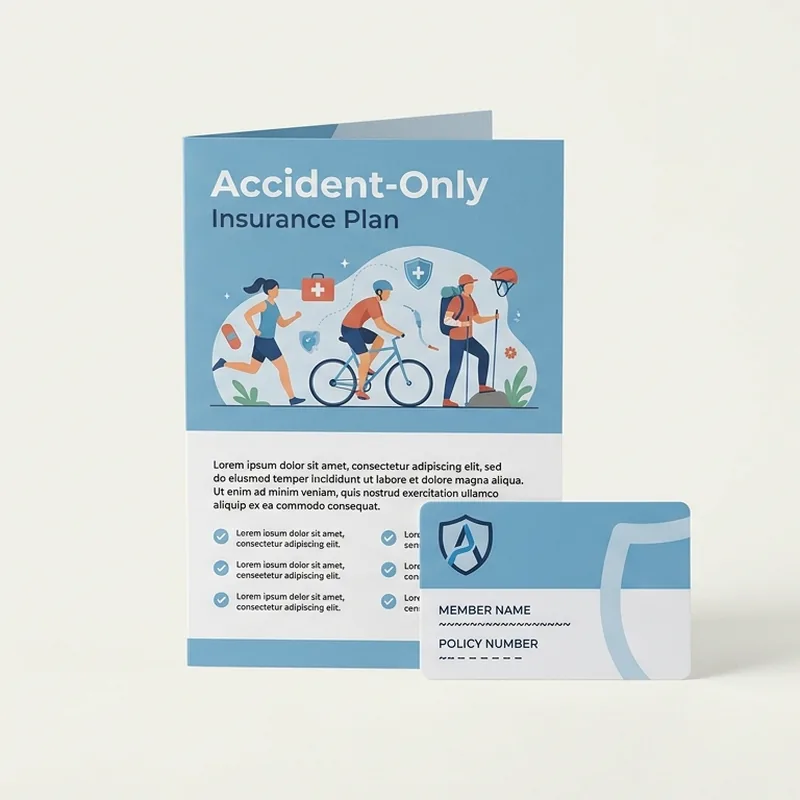
Accident-Only Plan
A lower-cost way to cover the most unpredictable expenses (injuries) while accepting the risk of uncovered illness costs.
Compare OptionsWhichever provider you consider, always check the specific reimbursement percentage, annual payout cap, and exact pre-existing condition definition before committing — these vary more between providers than the headline price suggests.
What Separates a Good Provider From a Mediocre One
Beyond the headline reimbursement percentage, the details that actually determine real-world satisfaction include claim processing speed, how the provider defines and applies pre-existing condition exclusions, and whether customer service is responsive when you’re dealing with an actual claim dispute rather than just during the initial sales process. Reading claim-specific reviews, not just general star ratings, surfaces this information better than marketing pages do.
Bundling Multiple Pets Under One Provider
Insuring multiple pets with the same provider often unlocks a multi-pet discount and simplifies account management, though it’s worth confirming each individual pet still gets appropriately tailored coverage rather than a one-size-fits-all bundled plan that doesn’t reflect each pet’s actual risk profile.
Regional Availability Differences
Not every provider operates in every state or region, and premium pricing can vary meaningfully by location even within the same provider’s network — always get a location-specific quote rather than relying on a generalized national average when comparing options.
Provider Stability and Financial Backing
A provider’s underlying financial backing matters for long-term reliability — some pet insurance brands are underwritten by larger, established insurance companies, which can offer more stability than newer, smaller standalone providers. This is worth a quick check, especially if you’re planning a long-term policy relationship with a provider.
Negotiating or Adjusting Coverage With a Provider
Some providers allow adjusting deductible or reimbursement percentage after initial enrollment to better fit a changing budget, rather than requiring a full new policy — worth asking about directly if your circumstances change, since this flexibility isn’t always advertised prominently.
Understanding Waiting Periods in Detail
Waiting periods differ by condition type — often just a few days for accidents, but sometimes considerably longer for specific conditions like orthopedic issues. Reviewing the exact waiting period schedule for conditions relevant to your pet’s breed, not just the general policy summary, avoids an unwelcome surprise if something comes up during that early window.
Provider Comparison Tools Worth Using
Independent comparison sites (not run by any single provider) that let you filter by coverage type, deductible, and reimbursement percentage side by side save significant research time compared to visiting each provider’s site individually — just confirm the comparison tool’s data is current, since provider offerings change periodically.
Reading Between the Lines of Marketing Claims
“Comprehensive coverage” and similar marketing phrases aren’t standardized terms with a fixed legal definition across providers — the same phrase can mean meaningfully different actual coverage between companies, which is exactly why comparing the specific policy document details matters more than comparing marketing language.
Provider Options for Exotic and Less Common Pets
Coverage options for birds, reptiles, and small mammals have expanded in recent years but remain more limited than dog and cat coverage — if you have one of these pets, confirm current provider offerings directly rather than assuming availability based on older information, since this market segment has changed relatively quickly.
Making a Shortlist Before Deep Comparison
Narrowing to two or three providers based on basic fit (species coverage, general price range, availability in your state) before doing a deep line-by-line comparison saves significant time compared to attempting to fully compare every available provider from the start.
Understanding How Underwriting Affects Approval
Some providers require a brief health questionnaire or even a recent vet exam before approving coverage, particularly for older pets or certain breeds — budgeting time for this underwriting step, rather than expecting instant approval in every case, avoids a delay surprise when you’re trying to get coverage started promptly.
Provider Customer Service Quality as a Practical Factor
Response time and clarity of communication during the claims process varies meaningfully between providers — this is genuinely hard to evaluate before you actually file a claim, which is part of why reading claim-specific reviews (not just general marketing reviews) gives a more honest preview of what dealing with a specific provider is actually like.
Reassessing Your Provider Choice Periodically
Even after choosing a provider, it’s reasonable to revisit that choice every year or two at renewal — the pet insurance market changes, new providers enter, and existing providers adjust pricing and terms, so an annual comparison check ensures your original choice still holds up against current alternatives.
Comparing Providers for Specific Common Conditions
If your pet’s breed has a well-known common condition (hip dysplasia in certain large dog breeds, for example), checking how specific providers handle that exact condition — coverage terms, any breed-specific exclusions — gives more relevant insight than a generic policy comparison focused only on headline numbers.
The Role of Independent Reviews Versus Provider-Sponsored Content
Reviews and comparison content published directly by insurance providers or their affiliate partners naturally skew favorable — prioritizing genuinely independent consumer review sources and regulatory complaint data gives a more balanced, trustworthy picture than marketing-adjacent comparison content.
What to Do If You’re Overwhelmed by Options
With dozens of providers in the market, decision paralysis is a real, common obstacle — narrowing to the two or three most relevant to your specific pet’s species, breed, and age first, before comparing every detail across every available provider, makes the process genuinely manageable rather than overwhelming.
How Claim Turnaround Time Varies Between Providers
Reimbursement speed is one of the most overlooked differences between pet insurance companies, and it matters most exactly when you’re least able to wait — mid-emergency, with a vet bill already paid out of pocket. Some providers process straightforward claims in 24-48 hours once submitted digitally through an app, crediting your linked bank account almost as fast as a refund. Others still route claims through a manual review queue that can take two to three weeks, even for a routine wellness visit with no coverage disputes involved. This gap rarely shows up in a provider’s marketing, since “fast claims” is a universal promise that every company makes regardless of their actual average.
The practical way to check before you buy is to search the provider’s name alongside “claim time” in independent review forums and look at the actual dates people report, not the company’s own stated average — those averages are frequently calculated from the simplest claims only, skewing the number well below what a real accident-and-illness claim experiences. It’s also worth asking directly, before signing up, whether claims are processed in-house or outsourced to a third-party administrator, since outsourced claims almost always add a layer of delay. If your household budget depends on being reimbursed quickly rather than eventually, this single factor can matter more than a slightly better reimbursement percentage.
What Happens If You Need to Switch Providers Later
Switching pet insurance providers is possible at almost any point, but it comes with one significant catch: any condition that developed or was diagnosed while covered under your previous policy typically becomes a pre-existing exclusion under the new one, even if the new provider is otherwise more generous. This makes switching a much easier decision for a young, currently healthy pet than for one with an established medical history, where a provider switch could mean losing coverage for an ongoing condition entirely.
If you’re considering a switch, request a full written list of exclusions from the new provider based on your pet’s actual medical history before cancelling the old policy, and time the transition so there’s no coverage gap between the two — even a short lapse can sometimes trigger new waiting periods on the replacement policy. For most owners, switching makes the most sense either early on, before much medical history has accumulated, or when a provider has had a genuine pattern of claim denials or service problems that outweighs the risk of new exclusions.
More Pet Care & Gear
FAQ
Look past the monthly price to the reimbursement percentage, annual and per-incident payout caps, and exactly how each provider defines a pre-existing condition — these details affect your real-world payout far more than the sticker price.
It can be a reasonable lower-cost option if you're mainly worried about sudden injuries, but keep in mind it won't cover illness-related costs, which are common and can be just as expensive as accidents.
No, virtually all providers exclude pre-existing conditions, which is why enrolling while a pet is young and healthy typically offers the most coverage value.
