

Pet invertebrate food splits by type: predatory species like tarantulas and scorpions need appropriately-sized live prey (crickets or dubia roaches), while isopods, millipedes, and stick insects eat plant matter and leaf litter. There's no single food that works for the whole category — it depends on which invertebrate you keep.
The best food for pet invertebrates depends entirely on the species — predatory tarantulas and scorpions need live prey, while isopods, millipedes, and stick insects are plant-and-detritus eaters. There’s no single “best food” that fits the whole category.
For Tarantulas & Scorpions
| Prey Type | Best For | Notes |
|---|---|---|
| Crickets | Most tarantulas & scorpions | Widely available, easy to size appropriately, should be gut-loaded first |
| Dubia roaches | Long-term keepers | Easier to breed at home, quieter, less likely to escape and hide in furniture |
| Mealworms | Smaller or juvenile animals | Convenient but lower in nutrition than crickets or roaches if used exclusively |
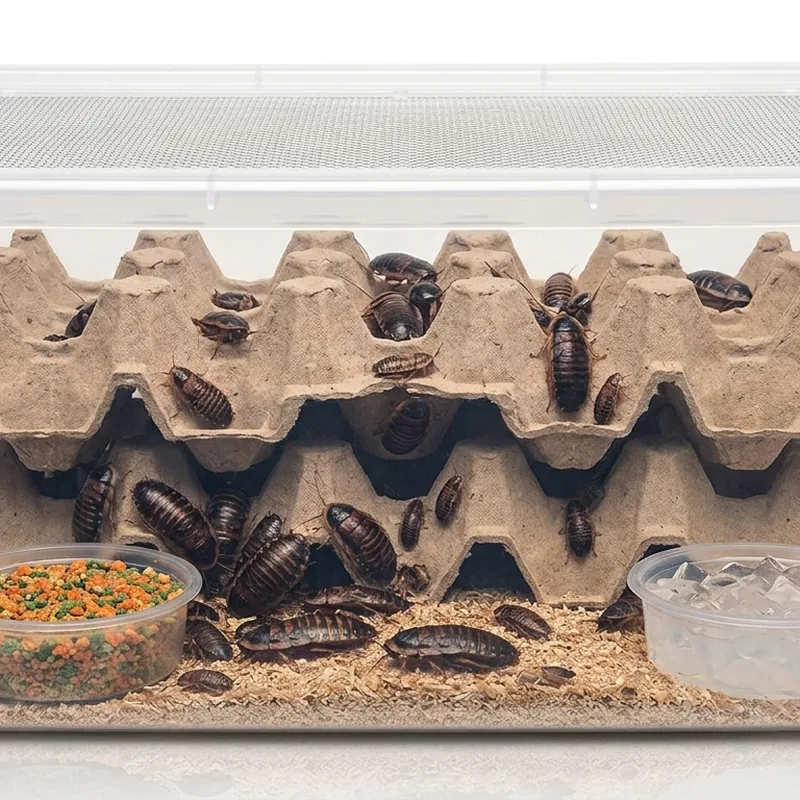
Gut-Loaded Dubia Roach Colony Starter
A self-sustaining feeder colony is more cost-effective long term than buying crickets weekly, and dubia roaches are quieter and less prone to escaping.
Check Price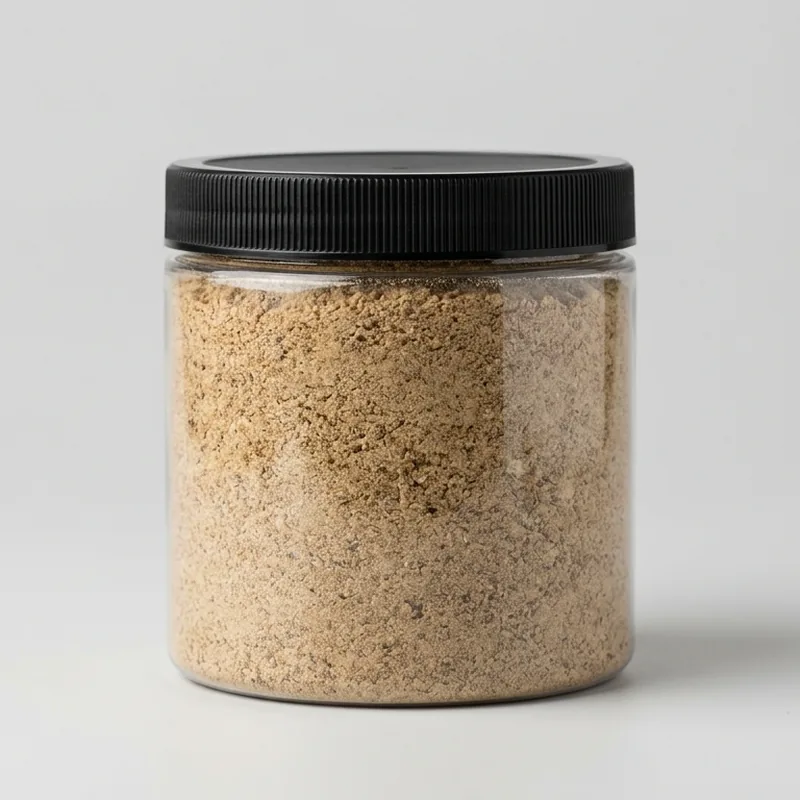
High-Calcium Cricket Gut-Load Powder
An easy way to boost the nutritional value of store-bought crickets before offering them, without a big cost increase.
Check PriceFor Isopods, Millipedes & Stick Insects
These species don’t need feeder insects at all. Isopods and millipedes thrive on a rotating supply of dried leaf litter (oak and magnolia are common choices) plus the occasional vegetable scrap. Stick insects require fresh, species-appropriate browse — check exactly which plant your specific species needs before bringing one home, since this varies and isn’t optional.
Building a Sustainable Feeding Routine
For predatory species, deciding upfront whether you’ll buy feeder insects as needed or maintain a small breeding colony shapes your whole feeding routine — buying as needed is simpler for a single animal, while a self-sustaining colony makes more sense once you’re feeding multiple predatory invertebrates regularly, since it reduces both cost and the risk of running out during a supply shortage.
Storage and Handling of Feeder Insects
Feeder insects need their own appropriate housing between purchase and feeding — ventilated containers, appropriate temperature, and their own food source if stored more than a day or two. Poorly stored feeders can die off before use or arrive at your pet under-nourished, undermining the nutritional value even of an otherwise good feeder choice.
Gut-Loading in Practice
Gut-loading — feeding feeder insects a nutritious diet for 24-48 hours before offering them to your pet — genuinely changes the nutritional value passed on, and it’s a low-effort step that’s easy to build into a routine once you’re already storing feeders for a day or two before use anyway.
Recognizing Poor-Quality Feeder Stock
Sluggish, discolored, or foul-smelling feeder insects are a sign of poor supplier stock or improper storage — avoid offering compromised feeders to your pet, since a low-quality feeder isn’t just less nutritious, it can occasionally introduce illness. A reliable supplier with consistent, healthy-looking stock is worth prioritizing over the cheapest available option.
Herbivore Feeding: Sourcing Safe Browse
For stick insects and other herbivorous species, sourcing pesticide-free browse is non-negotiable — plants from a garden or roadside with unknown chemical exposure history carry real risk. Growing your own browse plants specifically for feeding, or sourcing from a supplier who guarantees pesticide-free stock, removes this uncertainty entirely.
Budgeting for Feeding Costs Realistically
Feeding costs for predatory invertebrates are genuinely low compared to most pets — a modest, predictable weekly or biweekly expense for feeder insects, scaling with the number and size of animals kept. Herbivorous species (stick insects) and detritivores (isopods) cost even less, often just the occasional substrate or browse refresh.
Seasonal Feeder Insect Availability
Some feeder insect types see availability and price fluctuations seasonally from certain suppliers — keeping a backup supplier in mind, rather than relying on a single source, helps avoid a feeding gap if your usual supplier runs low during a high-demand period.
Comparing Local Pet Store vs. Online Feeder Suppliers
Local stores offer immediate availability and no shipping stress for live insects, while online specialty suppliers often offer better selection and healthier stock for the specific feeder types less commonly carried locally, like dubia roaches. Many established keepers use both, depending on what’s needed at a given time.
Regional Availability of Specialty Feeder Insects
Some less common feeder types (certain roach species, specific worm varieties) aren’t available everywhere due to regional invasive-species regulations — checking what’s legally available and shippable to your specific location before planning a feeding routine around a particular feeder type avoids discovering a restriction after you’ve already committed to that plan.
Feeding Cost Efficiency at Scale
Keepers with larger collections often find that maintaining even a modest home feeder colony breaks even against ongoing purchase costs within a matter of months, after which it becomes meaningfully cheaper — this crossover point is worth calculating honestly based on your specific collection size before deciding whether a colony is worth the additional setup effort.
Adjusting Feeder Choice for Enclosure Size Constraints
Smaller feeder insects work better in enclosures where an oversized prey item risks stressing the resident animal or hiding effectively in enclosure decor — matching feeder size to both the predator’s size and the enclosure’s specific layout, not just the predator’s size alone, avoids the frustration of “lost” feeders wandering an enclosure undetected.
Understanding Nutritional Needs Across Growth Stages
Nutritional needs shift as invertebrates move through growth stages, with juveniles generally needing more frequent feeding relative to body size to support active growth, while adults need proportionally less — this is a separate consideration from simply prey size, and both need to scale together as your animal matures.
Evaluating Specialty Commercial Diets
Some commercial products marketed as complete invertebrate diets exist for certain species, though live prey and fresh browse remain the standard and most reliable approach for the vast majority of commonly kept species — treat specialty commercial diets as a supplement or occasional addition rather than a full replacement unless a specific species’ care guidance says otherwise.
Food Safety Practices for Handling Feeder Insects and Fresh Browse
Washing hands after handling feeder insects, and rinsing fresh browse if there’s any question about its source, are simple habits that reduce cross-contamination risk — small steps that are easy to build into your existing feeding routine without adding meaningful extra time.
Adjusting Feeding Approach for Multi-Species Predatory Collections
Keeping both tarantulas and scorpions, for example, means managing two related but distinct feeding approaches — similar general prey types but potentially different frequency and sizing based on each species’ specific metabolism, and conflating the two into one blanket routine is a common mistake once a collection expands beyond a single predatory species.
Final Thoughts on Feeding Philosophy
The overarching theme across every predatory and herbivorous invertebrate diet discussed here is the same: match feeding to the specific species’ actual documented needs rather than a generic “invertebrate” approach, and err toward less frequent feeding over more when genuinely uncertain, since underfeeding carries far less risk than overfeeding in this category of pet.
Gut-Loading Feeder Insects Before Offering Them
The nutritional value of a feeder insect depends almost entirely on what that insect ate in the 24-48 hours before it’s offered — a practice called gut-loading, and skipping it is one of the most common reasons an otherwise correct feeding routine still leads to nutritional deficiencies. Crickets, roaches, and mealworms fed on nothing but bran or generic flake food pass almost no usable nutrition on to the animal eating them; the same insects fed a gut-load formula rich in calcium, leafy greens, and a balanced commercial gut-load powder for a day or two beforehand become dramatically more nutritious.
A simple, low-effort gut-loading routine works well for most home setups: keep a small feeder colony on a commercial gut-load diet as their permanent staple food, and supplement with fresh vegetable scraps like carrot tops, squash, or dark leafy greens a day before a feeding session. Avoid gut-loading with anything high in oxalates, like spinach in large amounts, since oxalates bind calcium and can undo some of the benefit. Dusting the insects with a calcium-vitamin supplement immediately before offering them, on top of gut-loading rather than instead of it, covers the two biggest nutritional gaps feeder insects otherwise create.
More Insects & Invertebrates Resources
FAQ
Gut-loaded crickets or dubia roaches, sized to roughly the width of the tarantula's body, cover the needs of the vast majority of commonly kept species. Dubia roaches are often preferred long-term since they're easier to breed at home and less likely to escape.
Yes, for the most part — a steady supply of dried leaf litter (oak and magnolia are popular choices) covers most of an isopod colony's nutritional needs, with occasional vegetable scraps as a supplement rather than a requirement.
It depends entirely on the species — always confirm the exact browse plant (commonly bramble, oak, or eucalyptus depending on species) before buying, since offering the wrong plant can be fatal and isn't something you can guess your way through.
