
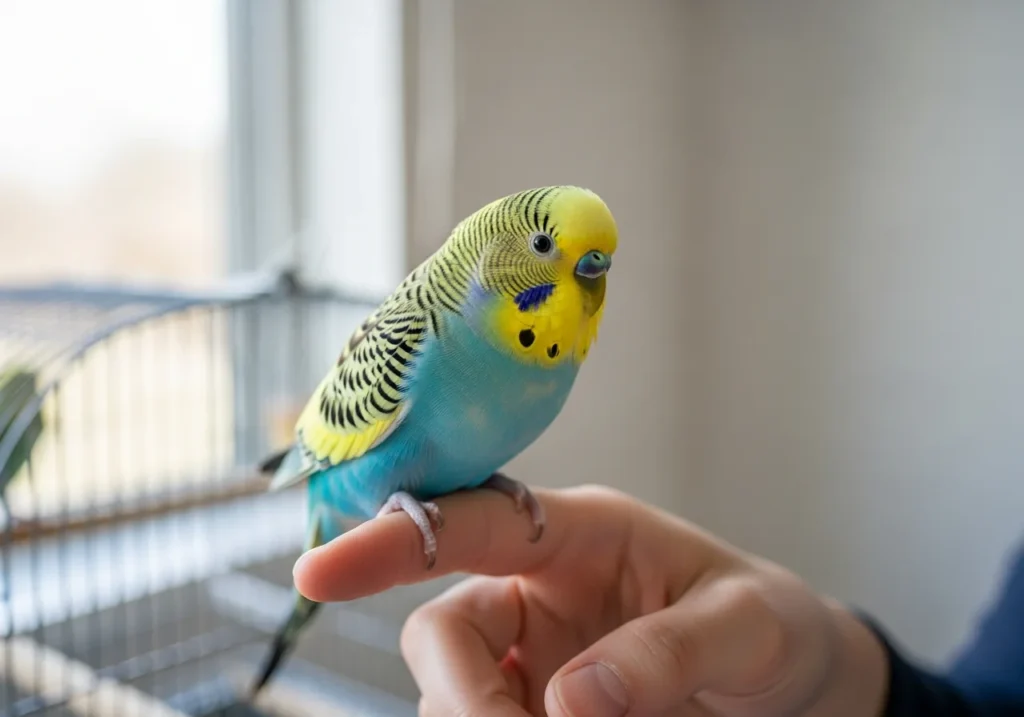
Birds are prey animals by instinct, even generations into domestication, and they hide illness extremely effectively — a visibly sick bird in the wild is an immediate target for predators. This makes proactive care essential, since obvious symptoms often mean a bird is already seriously unwell.
Routine Care
Annual checkups with an avian-specialized vet (not a general small-animal vet) are strongly recommended, along with regular nail and beak condition monitoring — some species need occasional trims, others wear them down naturally with appropriate perches and toys.
Daily Health Observation
Because birds hide illness so well, daily observation matters more than a weekly check. Watch for changes in droppings (consistency, color), activity level, appetite, and vocalization — a normally chatty bird going quiet, or vice versa, is worth noting.
Warning Signs That Need a Vet Visit
- Fluffed-up feathers for extended periods — birds fluff to conserve heat when unwell.
- Sitting at the bottom of the cage instead of perching.
- Changes in droppings — color, consistency, or frequency.
- Discharge from eyes or nostrils, or labored breathing.
- Sudden feather plucking — can be medical or stress-related, but always worth investigating.
Why Birds Hide Illness Even Better Than Cats
In the wild, a visibly sick bird is immediately targeted by predators — this instinct to mask illness is even stronger in birds than in cats, meaning by the time symptoms are obvious (fluffed feathers, lethargy, not eating), a bird is often already seriously ill. This is the single biggest reason avian owners are encouraged to know their bird’s normal baseline behavior well enough to notice subtle deviations.
Finding an Avian Vet
Not every veterinary practice treats birds — avian medicine is specialized enough that establishing a relationship with a genuinely avian-experienced vet before an emergency matters more here than with most common pets. Ask specifically about avian experience when researching vets, rather than assuming any small-animal practice can adequately treat a bird.
Respiratory Health
Birds have an extremely sensitive respiratory system, and common household items — nonstick cookware fumes, aerosol sprays, scented candles, and cigarette smoke — can be genuinely toxic or fatal to birds even at levels harmless to humans. This is one of the more overlooked home-safety issues for new bird owners, since the risks aren’t visually obvious the way a physical hazard would be.
Feather and Skin Health as a Health Indicator
A bird’s feather condition is a meaningful health signal — dull, damaged, or excessively molting feathers outside a normal molt cycle can indicate nutritional deficiency, stress, or underlying illness. Regular observation during normal handling gives you a baseline to notice changes against.
Quarantine and Disease Prevention
New birds should be quarantined in a separate room with separate food, water, and air space for several weeks before introduction to existing birds, since birds can carry contagious illness without obvious symptoms at first. This single practice prevents a significant share of the disease outbreaks that occur in multi-bird households.
Common Preventable Health Issues
Beyond nutritional deficiencies from seed-only diets, common preventable issues include obesity from excess fatty treats, respiratory problems from household toxins, and stress-related feather-plucking from inadequate social interaction. Most of the leading health issues in pet birds trace back to husbandry and environment rather than random illness, which makes proactive care especially impactful.
Signs That Warrant an Immediate Vet Visit
Fluffed feathers combined with lethargy, discharge from the eyes or nares, labored breathing, or a bird sitting at the bottom of the cage instead of perching are all signs of a bird in genuine distress, given how well birds mask illness generally. Any of these warrants same-day veterinary attention rather than a wait-and-see approach.
Building a Baseline for Your Bird
Knowing your bird’s normal weight, typical droppings appearance, and usual activity level gives you a genuine comparison point for catching subtle changes. Some owners weigh their bird on a small gram scale weekly, since weight loss is often one of the earliest detectable signs of illness in birds, well before other symptoms appear.
Toxic Household Hazards Beyond Fumes
Beyond airborne toxins, physical hazards like unsupervised access to houseplants (many are toxic to birds), open water sources (birds can drown), and ceiling fans or open windows all pose real risks during out-of-cage time. Bird-proofing a room before allowing supervised free flight matters as much as any dietary or medical precaution.
The Value of Annual Avian Checkups
Given how well birds mask illness, annual wellness exams — including weight tracking and basic bloodwork for older birds — catch issues well before obvious symptoms appear. This proactive approach matters more for birds than for almost any other common pet, precisely because of how late visible symptoms typically show up.
Cost of Avian Veterinary Care
Avian-specialized vets often charge more than general small-animal practices, reflecting the specialized training required. Budgeting for this reality — and finding an avian vet before an emergency forces a rushed, possibly more expensive search — is a genuinely practical part of responsible bird ownership.
Long-Term Health Tracking
Keeping simple records — weight over time, any behavioral changes, vet visit notes — gives both you and any vet a clearer picture than memory alone, especially valuable given how gradually some avian health issues develop before becoming obvious.
Behavioral vs. Medical Causes of Feather-Plucking
Because feather-plucking can stem from either behavioral stress or an underlying medical issue (skin infection, allergy, hormonal imbalance), ruling out medical causes with an avian vet before assuming a purely behavioral fix (more toys, more attention) is the more reliable approach, since treating the wrong cause wastes time while the bird continues suffering.
The Importance of Sleep for Birds
Most pet birds need 10-12 hours of uninterrupted darkness and quiet to sleep well, and insufficient sleep is an underappreciated contributor to behavioral problems like irritability and screaming. A covered cage in a quiet room during sleep hours, separate from a household’s evening activity, supports this need directly.
Building an Avian First-Aid Kit
Styptic powder for bleeding nails or beaks, a clean towel for restraint during minor treatment, and your avian vet’s after-hours contact information are worth assembling before an emergency, since bird emergencies can escalate faster than in larger mammals due to their high metabolism.
Recognizing Normal vs. Concerning Molting
A normal molt is gradual, with feathers replaced in a symmetrical pattern over weeks, and a molting bird still eats and behaves normally. Sudden, patchy, or non-symmetrical feather loss, especially paired with skin irritation, is a different picture and worth a vet visit rather than assuming it’s just molting.
Handling Stress During Vet Visits
Covering the carrier during transport, keeping visits as brief as reasonably possible, and choosing a vet experienced specifically with birds all reduce the compounding stress of travel plus handling plus an unfamiliar environment, which matters more for birds than for many other pets given how stress-sensitive they are.
Bringing It All Together
Between annual avian-specific vet visits, a bird-safe home environment, adequate sleep, and knowing your bird’s individual baseline well enough to catch subtle changes, most preventable health issues in pet birds are genuinely avoidable — not because bird health is simple, but because the risk factors are well understood and largely within an owner’s control.
Understanding Avian Anatomy Basics
Birds have air sacs extending beyond their lungs into parts of their skeleton, which is part of why respiratory issues can be more immediately serious in birds than in mammals — there’s less physiological buffer before a respiratory problem becomes a genuine emergency.
The Role of Preventive Bloodwork
Baseline bloodwork while a bird is healthy gives your avian vet a comparison point for future testing, since ‘normal’ values can vary somewhat between individual birds — a known baseline makes catching a meaningful deviation far more reliable than comparing only to general species reference ranges.
A Final Practical Takeaway
Small, consistent habits — a monthly check, a stable routine, honest observation of your pet’s normal baseline — do more for long-term wellbeing than any single product or dramatic intervention. That’s true across nutrition, health, and daily care alike, and it’s the thread worth carrying forward regardless of which specific choices you make along the way.
A Note on Multi-Bird Households and Illness Spread
Beyond initial quarantine for new birds, any bird showing signs of illness should be separated from other birds immediately, since respiratory and other infections can spread quickly through a shared airspace — treating this as a precaution taken early, not just after a diagnosis, protects the rest of the flock.
One Last Consideration
Every recommendation on this page works best applied consistently over time rather than as a one-time fix — pet care is cumulative, and small consistent choices compound into meaningfully better outcomes over a pet’s lifetime far more than any single decision does on its own.
Quick Reference
Annual avian vet visits, a toxin-free home environment, consistent sleep hours, and knowing your bird’s individual baseline cover the core of preventive avian health — the specifics beyond that are worth tailoring to your bird’s particular species and age.
Related Reading
See Signs Your Pet Bird Is Sick and Birds Health Checklist.
More Birds Guides
