

The best pet cameras combine two-way audio, a wide or pan-tilt field of view, and night vision — a treat dispenser is a valuable extra for dogs specifically. These features matter most for anxious pets or long stretches home alone.
The best pet cameras combine two-way audio, a wide field of view, and — for treat-motivated pets — a built-in treat dispenser. Here’s what’s actually worth paying for.
| Feature | Why It Matters |
|---|---|
| Two-way audio | Lets you talk to (and hear) your pet in real time, useful for anxious pets |
| Wide field of view / pan-tilt | Covers more of the room instead of one fixed angle |
| Treat dispenser | Adds interactive enrichment, not just passive monitoring — most useful for dogs |
| Night vision | Useful if you’re checking in during evening hours or low light |
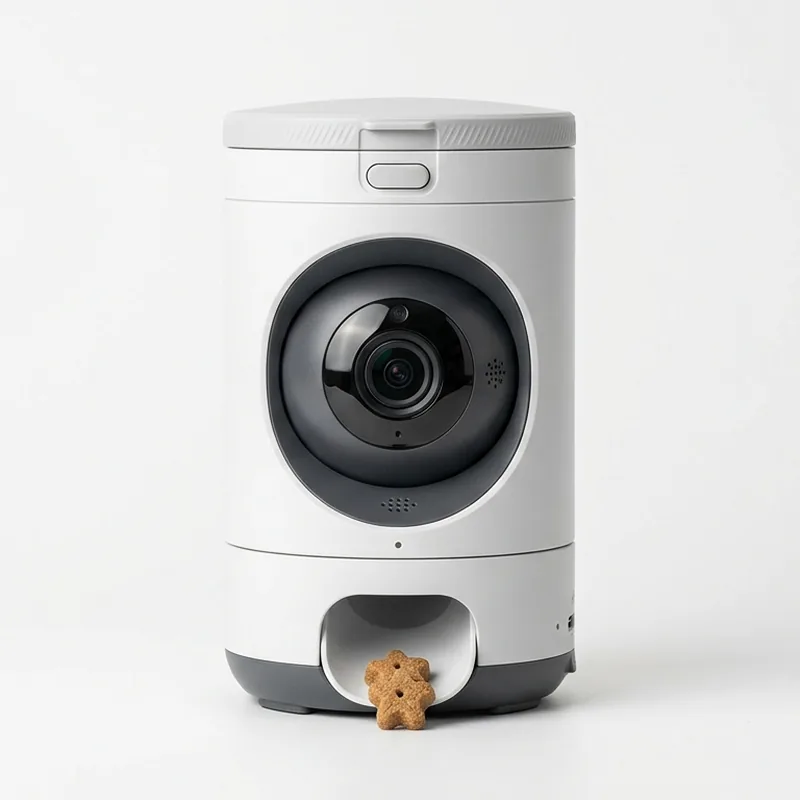
Pan-Tilt Camera With Treat Dispenser
Covers more ground than a fixed camera and adds an interactive element beyond passive watching — best suited to dogs and larger living spaces.
Check Price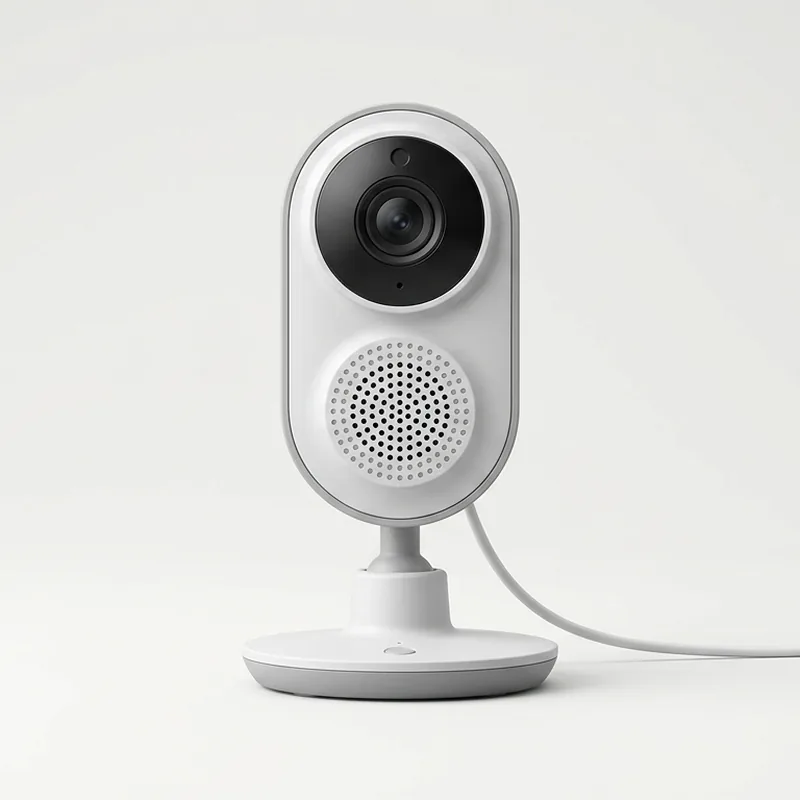
Fixed Two-Way Audio Camera
Covers the essentials — seeing and talking to your pet — at a lower price point without the pan-tilt or dispenser features.
Check PricePlacement Matters More Than Most Owners Expect
A camera aimed at a doorway or a food bowl catches very different moments than one aimed at a pet’s favorite resting spot — think through what you actually want to monitor before mounting, since repositioning after the fact is more disruptive than planning placement up front. For anxious pets specifically, a view of the main exit door often reveals the most about separation-related behavior.
App Reliability and Notification Fatigue
Motion-triggered notifications sound useful until a camera pointed at a busy area sends dozens of alerts a day, most of them irrelevant — a genuinely useful setup usually means narrowing motion zones or notification sensitivity to the specific area and activity level you actually care about, not accepting default settings that trigger on every minor movement.
Battery vs. Plugged-In Models
Plugged-in cameras offer continuous, worry-free monitoring but require a nearby outlet and permanent placement; battery-powered models offer placement flexibility but need regular recharging and typically have gaps in coverage during that downtime. For anxious pets needing continuous monitoring, a plugged-in model is generally the more reliable choice.
Privacy and Security Considerations
Any internet-connected camera is a potential security consideration — using a strong, unique password, enabling two-factor authentication where available, and keeping the camera’s firmware updated meaningfully reduces the risk of unauthorized access, which matters more than most buyers initially consider when picking a camera based on features alone.
When a Camera Isn’t the Right Solution
For pets with genuinely severe separation anxiety, a camera provides information but doesn’t solve the underlying problem — it’s a monitoring tool, not a treatment. Persistent, severe anxiety symptoms are better addressed through a vet or behaviorist consultation, with a camera used alongside that treatment to track progress rather than as a standalone fix.
Integration With Other Smart Home Devices
Some pet cameras integrate with broader smart home ecosystems, allowing voice control or automated routines (like a camera that activates recording when a smart lock detects you’ve left home) — genuinely useful for some households, though not a necessary feature if you’re primarily looking for a standalone monitoring solution.
Cloud Storage vs. Local Storage Considerations
Cloud-based recording typically requires an ongoing subscription for extended history, while local storage (an SD card, for instance) avoids recurring fees but is more vulnerable if the physical device is damaged or stolen. Weighing subscription cost against this tradeoff is worth doing before committing to a specific camera ecosystem.
Camera Durability for Curious or Destructive Pets
Pets that investigate or chew on household objects may treat a floor-level or low-mounted camera as a target — mounting higher, out of reach, both improves the viewing angle for most rooms and avoids this entirely preventable damage risk.
Comparing Camera Apps for Usability
App interface quality varies significantly between brands — a camera with excellent hardware but a confusing, laggy app is genuinely less useful day to day than a slightly less feature-rich camera with a smooth, reliable app experience. Reading app-specific reviews, not just hardware reviews, gives a fuller picture before buying.
Multi-Camera Setups for Larger Homes
Households wanting coverage of more than one room typically need a system designed for multiple cameras on one app/subscription, rather than buying several standalone single-camera products — checking whether a brand supports this before buying your first unit avoids having to switch ecosystems later if you decide to expand.
Camera Use for Multi-Pet Households
Wide-angle coverage becomes more valuable in multi-pet homes, where a narrow field of view might miss activity from a pet not in the primary frame — this is worth prioritizing over other features specifically if you’re monitoring more than one animal from a single camera.
Camera Considerations for Outdoor or Semi-Outdoor Pets
Pets with access to a yard or enclosed outdoor space need a weatherproof-rated camera if monitoring extends outdoors, distinct from standard indoor models — checking the specific IP weather rating before assuming an indoor camera will hold up outside avoids an expensive early failure.
Understanding Field of View Specifications
Field of view is usually listed in degrees, and a wider angle (130-160 degrees is common for pet-focused cameras) covers meaningfully more of a room than a standard 90-110 degree webcam-style angle — this spec matters more for larger or open-plan rooms than for a small, contained space.
Camera Use Alongside Other Monitoring Tools
Some owners pair a camera with a separate activity tracker or smart feeder for a more complete monitoring picture — worth considering as a system rather than a single device if you’re managing a pet with more involved care needs while away from home.
A Final Note on Realistic Expectations
No camera fully replaces being physically present with your pet — treat it as a helpful supplementary tool for peace of mind and information, not a complete substitute for adequate daily interaction and care.
Camera Firmware and Long-Term Support
Brands vary in how long they continue firmware updates and app support for a given camera model — choosing an established brand with a track record of ongoing support reduces the risk of a functional camera becoming unreliable a couple of years in due to abandoned software support, a real issue in the connected-device market broadly.
Setting Realistic Expectations for Two-Way Audio
Two-way audio helps some pets feel reassured hearing a familiar voice, but for other pets, especially anxious ones, an unexpected disembodied voice from the camera can be confusing or even mildly distressing rather than comforting — test this feature’s actual effect on your specific pet rather than assuming it universally helps.
Final Word on Choosing a Camera
The right camera is the one that actually gets used consistently and answers the specific question you have about your pet’s day — resist over-buying features you won’t realistically use, and prioritize reliability and ease of setup over an impressive spec sheet.
A Practical First-Week Test
Run a new camera for a full week before fully relying on it, checking footage at different times of day and testing the notification settings in real conditions — this reveals placement or setting issues while you can still easily adjust, rather than discovering a blind spot during an actual situation you needed monitored.
Two-Way Audio and Interactive Features Worth Considering
Beyond basic video streaming, the interactive features on modern pet cameras vary enough in real-world usefulness that it’s worth evaluating them individually rather than assuming every “smart” feature adds equal value. Two-way audio lets you speak to your pet remotely, and for many pets — particularly dogs with separation anxiety — hearing a familiar voice genuinely does reduce stress during the workday, though it’s worth noting some pets initially find a disembodied voice from the camera more confusing than comforting until they’ve had time to associate it positively.
Treat-dispensing cameras add real engagement value but come with a genuine downside worth weighing: over-reliance on remote treat dispensing can inadvertently reinforce attention-seeking behaviors like barking at the camera, since the treat often follows shortly after. The more consistently useful features across most households turn out to be simpler ones — motion and sound alerts sent directly to your phone, and night vision clear enough to actually assess a pet’s wellbeing after dark — rather than the more elaborate interactive gimmicks that look impressive in marketing but see limited actual daily use once the novelty wears off.
More Pet Care & Gear
FAQ
It's more of a nice-to-have than a necessity for a calm pet who sleeps most of the day alone — the value is clearest for anxious pets, long work days, or pets with a health condition you want to keep an eye on.
It's a useful feature for anxious pets, since hearing a familiar voice can help calm them, but it's not essential for pets that are simply being monitored.
Cloud storage plans vary, but even a few days of rolling footage is usually enough — most owners only need to review clips after specific events, not full days of recording.
