
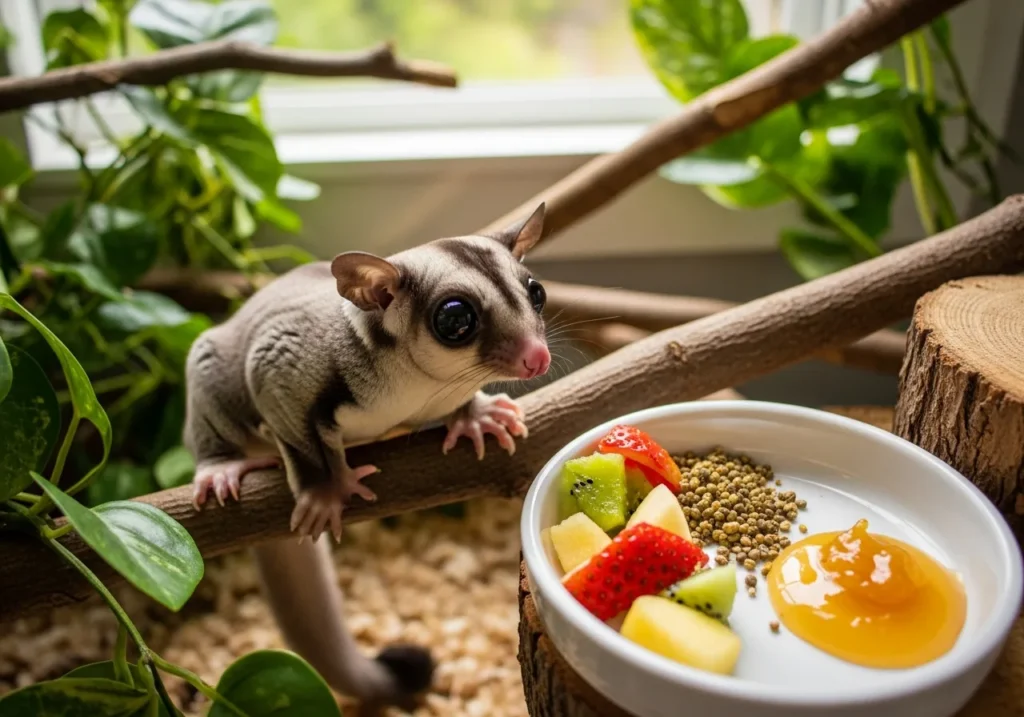
There’s no single “exotic pet diet” — feeding needs vary so much by species that generic advice can actually be harmful. An insectivorous species, a specialized herbivore, and an omnivore all need completely different approaches, and getting it wrong is one of the most common (and preventable) causes of exotic pet health problems.
Why Species-Specific Research Matters
Two animals that look similar or are casually grouped together as “exotic pets” can have wildly different nutritional needs. Before bringing home any exotic species, research its specific dietary requirements from a reputable source — an exotic vet, a species-specific care guide, or an established exotic pet organization — rather than relying on generic pet store advice alone.
Common Feeding Categories
Many exotic pets fall into one of a few broad feeding categories: insectivores (needing live or freeze-dried insects, often gut-loaded with nutrients first), specialized herbivores (needing specific plant varieties, not just “vegetables” broadly), and omnivores with a mixed diet. Knowing which category your species falls into is the starting point, but exact ratios and specific safe/unsafe foods still need species-level research.
Supplementation
Calcium and vitamin D supplementation is critical for many reptile species, particularly those without adequate UVB lighting. Other exotic species may need different specific supplements. This is an area where guessing is risky — a quick consultation with an exotic vet on supplementation needs for your specific species is worth the cost.
Water and Hydration
Hydration needs vary by species too — some get most of their water from food, others need standing water, others need misting for humidity-based hydration. Research your species’ specific hydration method rather than assuming a standard water dish is enough.
For specific product recommendations, see our Best Food for Exotic Pets buying guide.
Why Generic Advice Fails Exotic Pets
Unlike dogs and cats, where decades of veterinary nutrition research back commercial diets, many exotic species have far less standardized nutritional science behind commercial products. This means owners often need to piece together diet plans from species-specific research and exotic vet guidance rather than trusting a single bag of food to cover everything, the way a quality dog food generally does.
Common Deficiency Risks
Metabolic bone disease — caused by inadequate calcium, incorrect calcium-to-phosphorus ratios, or insufficient UVB light exposure for species that need it — is one of the most common preventable health problems across multiple exotic species, from sugar gliders to reptiles kept as exotic pets. Understanding your specific species’ calcium needs and whether it requires UVB lighting to properly metabolize calcium is essential foundational knowledge, not an advanced topic.
Fresh Food vs. Commercial Diets
Most exotic species benefit from a combination of an appropriate commercial base diet plus fresh foods matched to their natural diet — insectivores need appropriately gut-loaded live insects, omnivores like sugar gliders need a mix of protein and fruit, and herbivorous species need a varied selection of safe vegetables. Relying on commercial food alone, without fresh dietary variety, is a common gap in otherwise well-intentioned care.
Foods That Are Genuinely Dangerous
Chocolate, caffeine, avocado, and high-sugar processed foods are unsafe across nearly all small exotic species, similar to common dog and cat toxins. Beyond these universal dangers, research species-specific unsafe foods — for example, certain vegetables safe for one species can cause problems in another due to differing digestive systems.
Feeding Schedules and Portion Control
Many exotic species are prone to obesity in captivity due to reduced activity compared to wild counterparts and easy access to calorie-dense food. Measured portions on a consistent schedule, rather than constant free access, help maintain healthy weight — research your specific species’ natural activity level and feeding frequency to set an appropriate schedule.
Working With an Exotic Vet on Diet
A wellness exam with an exotic-experienced vet is a genuinely valuable opportunity to review your specific diet plan, since subtle deficiencies can be caught early through exam and sometimes bloodwork before they become visible health problems. This is worth doing proactively, not just when something already seems wrong.
Gut-Loading and Dusting Live Insects
For insectivorous species, the insects themselves need proper nutrition before being fed (“gut-loading” with nutritious food 24-48 hours before feeding) and are often dusted with calcium and vitamin supplements just before feeding. Feeding “empty” insects straight from a bulk container, without gut-loading or dusting, is a common gap that undermines an otherwise reasonable diet plan.
Water Needs Are Often Overlooked
Fresh water access appropriate to the species (a shallow dish for some, a water bottle for others, or moisture from food alone for some desert-adapted species) needs specific research — assuming all species drink the same way is a common and avoidable mistake.
Seasonal and Availability Considerations
Fresh produce appropriate to your species may vary in availability and cost seasonally — having a stable, appropriate commercial base diet reduces dependence on seasonal fresh food availability while still allowing fresh variety when accessible.
Common Nutrition Mistakes New Owners Make
Overfeeding treats relative to base diet, inconsistent supplementation schedules, and switching commercial food brands too frequently (disrupting a stable gut microbiome) are among the most common preventable nutrition mistakes. Consistency, more than finding a theoretically perfect diet, tends to produce the best long-term outcomes.
When to Consult a Specialist
For a genuinely complex or rare species, or if your pet has a diagnosed health condition affecting diet needs, a consultation with an exotic animal nutritionist (some universities and specialty practices offer this) provides a level of precision generic guides can’t match.
Bringing It All Together
Good exotic pet nutrition comes down to matching diet type to species biology, maintaining consistency, supplementing correctly where needed, and monitoring weight and body condition as ongoing feedback. There’s no universal shortcut — the specifics genuinely vary by species — but this disciplined, research-based approach applies across virtually every exotic pet you might choose to keep.
How to Evaluate a New Product Before Committing
When considering a new food product for your exotic pet, resist judging based on packaging claims alone. Instead, look at the actual ingredient list and guaranteed analysis, check whether the manufacturer specializes in your specific species or offers a broad multi-species blend (species-specific formulation is generally preferable), and if possible, find reviews or discussion from experienced keepers of your exact species rather than generic exotic pet reviews. A product that’s popular and well-marketed isn’t automatically the best nutritional match for your animal’s specific biological needs — verify rather than assume.
Long-Term Nutritional Monitoring
Good nutrition isn’t a decision you make once and then stop thinking about — coat or skin condition, energy level, weight trends, and droppings quality all serve as ongoing feedback about whether your current diet plan is genuinely working. Building a habit of periodically stepping back and honestly assessing these indicators, rather than assuming an initially reasonable diet plan remains perfectly suited indefinitely as your pet ages or its circumstances change, leads to better long-term outcomes than a “set and forget” approach to feeding.
Working Around Multi-Pet Households
If you keep more than one exotic pet, even of the same species, resist the assumption that identical feeding is automatically appropriate for both — individual size, activity level, and health status can genuinely differ animal to animal. Feed and monitor each individually where practical, particularly in social species housed together, since dominant animals can sometimes out-compete cage-mates for food in ways that aren’t immediately obvious without close observation of actual intake per animal.
Seasonal Appetite Changes
Many exotic species, particularly those with wild counterparts that experience genuine seasonal cycles, show natural appetite fluctuation tied to daylight length or temperature even in a climate-controlled captive environment. A gradual, mild seasonal appetite dip isn’t automatically cause for alarm if body weight remains stable and the animal otherwise seems well — but a sudden or dramatic change still warrants the same attentive monitoring as any other appetite shift.
A Closing Note on Diet Discipline
Of everything covered in this guide, consistency and species-specific accuracy matter more than any single clever feeding trick. Get the fundamentals right — correct diet category, appropriate supplementation, and regular monitoring — and most exotic pets thrive nutritionally without needing constant fine-tuning.
When Your Vet Becomes Your Best Resource
If you’ve followed reasonable species-specific guidance and still see concerning trends in weight, coat, or activity, that’s the point to loop in your exotic vet rather than continuing to adjust independently — persistent unexplained issues despite a reasonable diet plan often signal something beyond nutrition alone.
Calcium and Vitamin D3 Supplementation Basics
Calcium and vitamin D3 supplementation is one of the most consistently under-addressed aspects of exotic pet nutrition, and deficiencies in either are a leading cause of metabolic bone disease — a serious, often irreversible condition that’s far easier to prevent than treat. Reptiles and amphibians fed a diet of feeder insects or produce almost always need supplemental calcium dusted onto food at a frequency that depends on species and age, typically more often for growing juveniles and egg-laying females than for adult males.
Vitamin D3 works alongside calcium to enable its absorption, and the correct approach depends heavily on whether your species has access to genuine UVB lighting — animals with proper UVB exposure synthesize their own D3 and typically need calcium without D3 added, to avoid the real risk of D3 toxicity from double-dosing, while animals without UVB access generally need a D3-inclusive supplement instead. Getting this pairing wrong in either direction carries genuine health risk, so it’s worth confirming the correct supplement type for your specific species and lighting setup with a care sheet or exotics vet rather than defaulting to whatever calcium powder is most commonly sold.
More Exotic Pets Guides
FAQ
Usually not safely — even animals that look superficially similar to more common pets often have very different nutritional needs, so species-specific research matters.
Many do, particularly reptiles needing calcium and UVB-related vitamin D support, but supplement needs are species-specific and should be researched individually or discussed with an exotic vet.
Assuming a commercial 'exotic pet food' blend is nutritionally complete for every species — many aren't, and species-specific research or vet guidance is important.
