
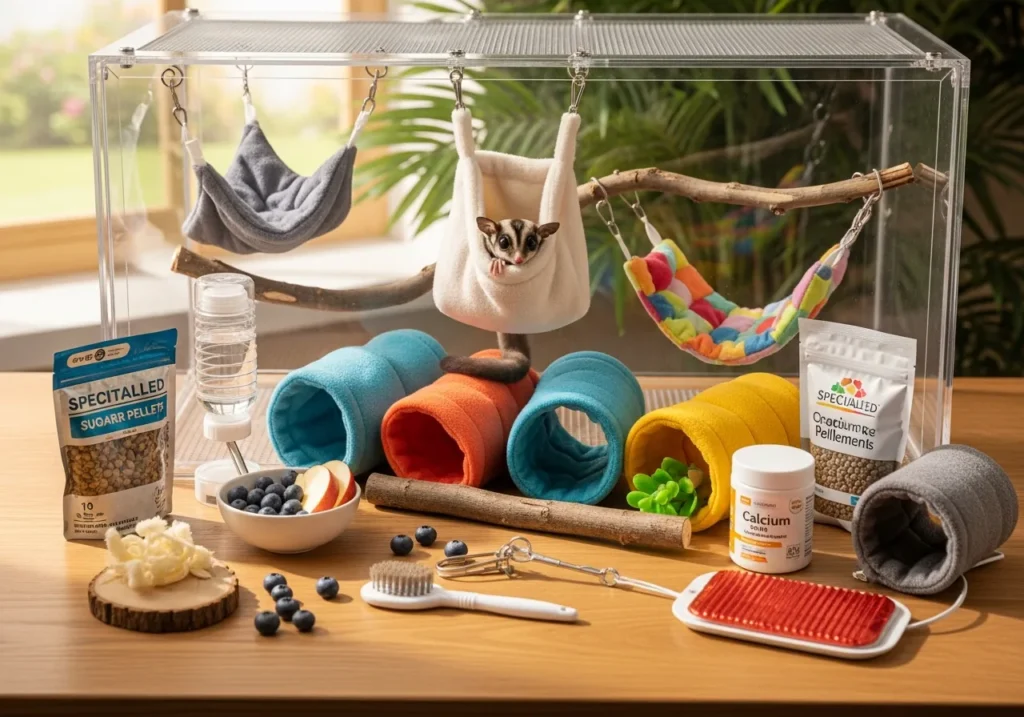
While exact gear varies enormously by species, most exotic pet setups share a few core categories: a secure, appropriately sized enclosure, temperature and humidity control, and monitoring tools to verify the environment stays within the correct range.
Enclosures
Enclosure size and type needs to match the specific species — some need more height (climbing species), some need more floor space (burrowing species), and escape-proofing matters more for some species than others. See our Best Exotic Pet Enclosure guide for specific picks.
Heating and Lighting
Many exotic species, especially reptiles, need supplemental heat sources and sometimes UVB lighting to stay healthy — incorrect heating is one of the most common husbandry mistakes. See our Best Exotic Pet Heat Source guide for options.
Monitoring Tools
A digital thermometer and hygrometer (humidity gauge) take the guesswork out of enclosure conditions — inexpensive tools that prevent some of the most common and serious care mistakes.
Enrichment
Many exotic species benefit from enrichment items — climbing branches, hides, digging substrate — that mimic natural behaviors and reduce stress-related issues. Research what’s appropriate for your specific species rather than assuming generic small-pet toys will work.
For deeper species-specific guidance, start with our Exotic Pet Species guide.
Enclosure Essentials
Wire spacing matters enormously and is species-specific — an enclosure with bars spaced correctly for one species can be a genuine escape or injury risk for another. Solid-bottom cages generally offer better footing and safety than wire-bottom designs, which can injure small feet over time. Always research your specific species’ enclosure requirements rather than assuming a generic “small pet” cage is appropriate.
Temperature and Humidity Control
Many exotic species have narrow acceptable temperature and humidity ranges, and equipment like ceramic heat emitters, thermostats, and hygrometers (humidity meters) are genuinely essential, not optional extras, for species with strict environmental needs. Guessing at temperature by feel is not reliable enough for species sensitive to fluctuation.
Enrichment Is Not Optional
Exercise wheels (solid-surface, correctly sized for the species to avoid spine injury), tunnels, climbing structures, and rotating toys prevent the boredom-driven stress and repetitive behaviors common in under-stimulated exotic pets. Enrichment budget should be planned alongside basic habitat costs, not treated as a luxury add-on.
Handling and Bonding Tools
A bonding pouch (for species like sugar gliders that benefit from being carried close to the body during the taming process) or a secure carrier for vet visits are worth having from day one. Rushing bonding without appropriate tools and patience is a common reason new exotic pet owners struggle to build trust with a naturally cautious animal.
Cleaning and Substrate Supplies
Substrate choice affects both odor control and health — some substrates (cedar shavings, for example) are actively harmful to certain small exotic species due to aromatic oils, while others are perfectly safe. Research species-appropriate substrate specifically rather than assuming any small-pet bedding works universally.
Monitoring Equipment Worth the Investment
A reliable digital thermometer/hygrometer combo, ideally with a probe placed at animal level (not just ambient room reading), gives far more accurate environmental data than judging by feel. For species with strict requirements, this small investment prevents the kind of gradual environmental drift that can cause chronic stress or illness.
Backup Power Considerations
For species dependent on heating or lighting equipment, a plan for power outages (a battery backup, or at minimum a plan for temporary alternate heat) matters more than most new owners initially consider — a multi-hour outage in cold weather can become a genuine emergency for a heat-dependent species.
Building a Supply Budget That Scales With Species Complexity
Species with strict temperature, humidity, or UVB requirements genuinely need more specialized (and often pricier) equipment than more adaptable species — factor this into your species choice, not just as an afterthought once you’ve already committed to a demanding species’ full equipment list.
Replacement Schedules for Consumable Supplies
UVB bulbs typically need replacement every 6-12 months regardless of whether they still light up, since UV output degrades before visible light output does. Track replacement dates for any time-sensitive equipment rather than relying on visual assessment alone.
Final Supply Checklist
Before bringing your exotic pet home, confirm you have: a correctly sized enclosure, appropriate substrate, heating/lighting equipment with a thermostat, a monitoring thermometer/hygrometer, species-appropriate food and supplements, basic enrichment items, and contact information for an exotic-experienced vet. Having everything ready before arrival, not scrambling afterward, makes the crucial settling-in period far smoother for the animal.
Thinking Through Your Full Supply List Before You Shop
It’s easy to focus purchasing energy on the enclosure itself and treat everything else as an afterthought, but a genuinely complete supply list spans several categories that are easy to underestimate before you’re actually living with the animal: housing and substrate, climate control, feeding equipment, enrichment, handling and transport tools, and cleaning supplies. Walking through each category deliberately before your first shopping trip, rather than buying reactively as you discover gaps, saves both money (avoiding rushed, overpriced purchases) and reduces stress on the animal during the critical early settling-in period.
Substrate Choices Deserve More Thought Than They Usually Get
The bedding or substrate lining an enclosure affects odor control, humidity retention, safety, and even enrichment value, and the right choice varies significantly by species. Some substrates that are perfectly safe and commonly used for one type of exotic pet are genuinely hazardous for another — aromatic wood shavings like cedar, for example, release oils that can cause respiratory irritation in several small mammal species even though they’re a traditional choice for some other animals. Paper-based, aspen, or species-specific commercial substrates are usually safer defaults; always verify against species-specific guidance rather than assuming any small-pet bedding is interchangeable.
Feeding Equipment That Actually Matters
Beyond a simple food dish, many exotic species benefit from feeding equipment that supports natural foraging behavior — puzzle feeders, scatter feeding setups, or live-insect feeding dishes designed to prevent escape (a genuine and common frustration for owners of insectivorous species). Water delivery also deserves species-specific thought: some animals do best with a shallow dish, others with a sipper bottle, and a few desert-adapted species get most of their moisture from food and need minimal standing water at all. Matching feeding equipment to natural behavior isn’t just about owner convenience — it meaningfully affects the animal’s daily engagement and mental stimulation.
Assembling a Realistic First-Purchase List
For most new exotic pet owners, a reasonable starting supply list includes: a correctly sized enclosure with secure, species-appropriate locking mechanisms, substrate, a hide or shelter structure, feeding and water dishes appropriate to the species, any required heating and lighting equipment with a thermostat, a monitoring thermometer/hygrometer, basic enrichment items, and a small first aid and handling kit. Resist the pressure to buy every product marketed for your species — focus on what genuinely serves the animal’s documented needs, and add specialty items later as you learn more about your individual pet’s preferences.
Evaluating Product Quality Beyond Price
Higher price doesn’t automatically mean better quality or more appropriate for your specific species, and budget options aren’t automatically inferior — evaluate based on whether a product genuinely meets your species’ documented needs (correct size, safe materials, appropriate function) rather than defaulting to price as a quality signal in either direction. Reading detailed reviews from other owners of your specific species, not just star ratings, reveals much more about real-world suitability.
Building Redundancy Into Critical Systems
For supplies supporting genuinely critical functions — heating, in particular — consider keeping a backup on hand, especially if you live somewhere replacement equipment isn’t quickly available locally. A spare heat bulb or emitter costs little compared to the risk of an extended gap in essential climate control while waiting for a replacement to arrive.
A Final Practical Note
Keep receipts and research return policies for major purchases when you first set up — fit and suitability issues sometimes only become apparent once your specific animal is actually using the equipment day to day.
Comparing Retail Sources for Specialty Equipment
Dedicated exotic pet or reptile specialty retailers, whether local or online, often carry more appropriate, species-specific equipment options than general big-box pet stores, which tend to stock a narrower range focused on more mainstream pets. For genuinely specialized needs, it’s often worth the extra search effort to find a retailer that specializes in your particular type of animal.
Community-Sourced Recommendations
Established species-specific owner communities frequently maintain shared lists of trusted, tested product recommendations based on real, long-term use — often more reliable than manufacturer marketing or generic online reviews from owners of different species entirely. These communities are worth joining before your major equipment purchases, not just after a problem arises.
A Closing Thought
Good equipment, chosen deliberately rather than impulsively, forms the physical foundation your animal lives in every day — it deserves the same careful research as diet and species choice.
Humidity and Misting Equipment for Exotic Pet Enclosures
Maintaining correct humidity is one of the more equipment-dependent aspects of exotic pet care, and the right setup varies significantly depending on whether a species needs a brief daily spike in humidity or a consistently damp environment maintained around the clock. Manual misting with a simple spray bottle works fine for species that only need a daily humidity boost, but it requires genuine consistency — missing even a day or two can meaningfully affect a humidity-sensitive species, particularly during a molt or shed cycle when moisture needs often increase temporarily.
For species requiring consistently higher humidity, an automatic misting system or a fogger on a timer removes the risk of human inconsistency and maintains far more stable conditions than manual misting realistically can, especially for owners who travel or have unpredictable schedules. A hygrometer — ideally a digital one placed at the level where the animal actually spends its time rather than near the top of the enclosure — is essential regardless of which misting method is used, since humidity can vary substantially between different zones of the same enclosure and a single ambient reading can be misleading.
FAQ
A properly sized, secure enclosure with the correct temperature and humidity control for your specific species — getting this right prevents the majority of husbandry-related health issues.
Yes, for almost any exotic species with specific temperature or humidity needs — guessing at climate conditions is one of the most common exotic pet care mistakes.
It varies enormously by species, but a full enclosure, heating/lighting, and monitoring setup often runs $150–$400+ before ongoing costs.
