
The best exotic pet heat source depends on species — ceramic heat emitters and under-tank heaters work well for reptiles needing steady background heat, while basking bulbs suit species needing a distinct hot spot to thermoregulate.
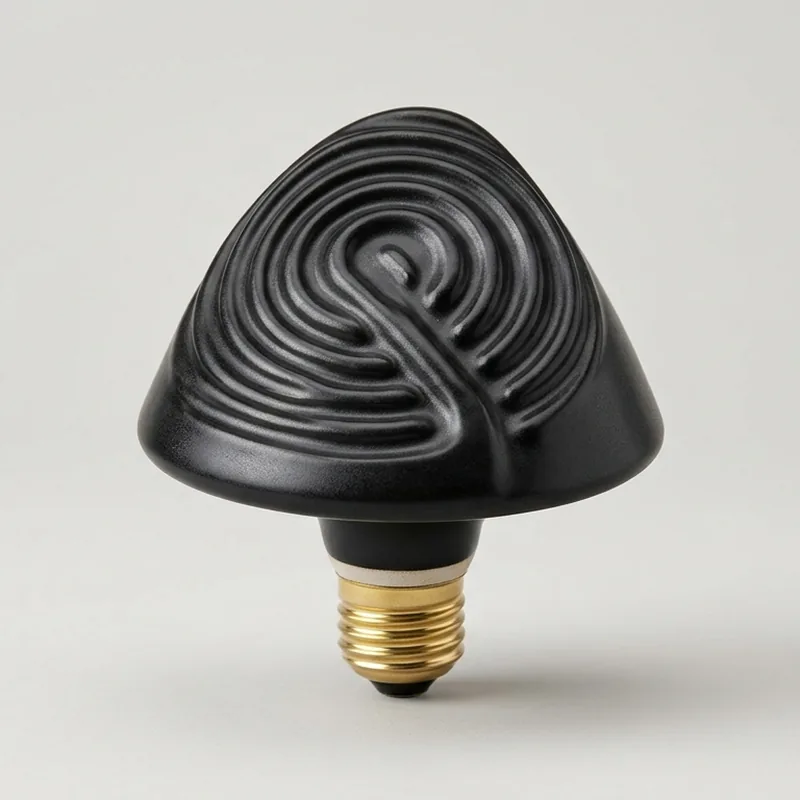
Ceramic Heat Emitter
Provides steady background heat without light, useful for maintaining nighttime temperatures without disrupting an animal’s day-night cycle.
Check Price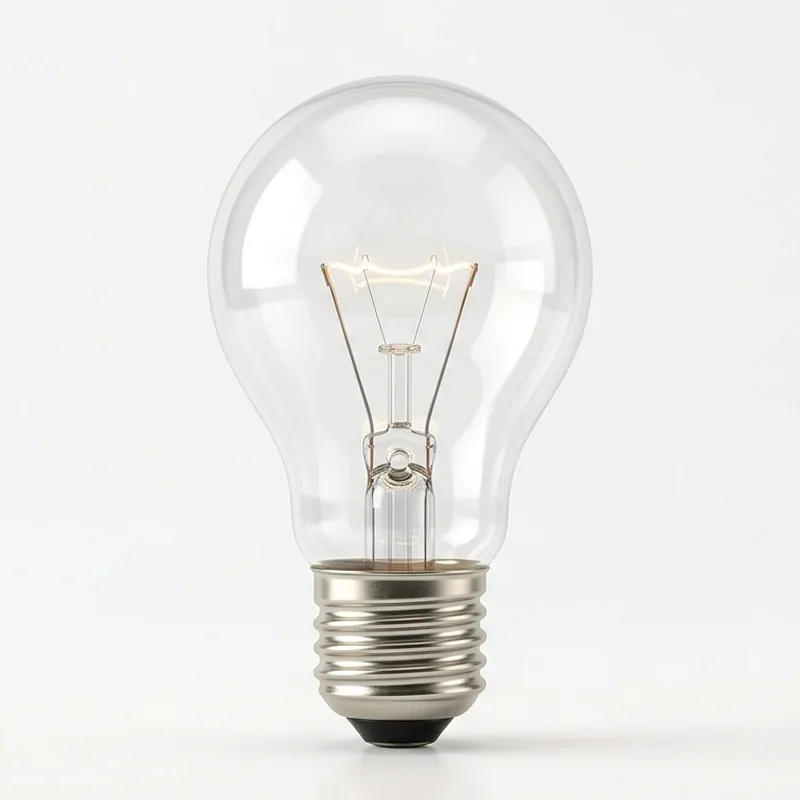
Basking Heat Bulb
Creates a distinct hot spot for species that thermoregulate by moving between warm and cool zones during the day.
Check Price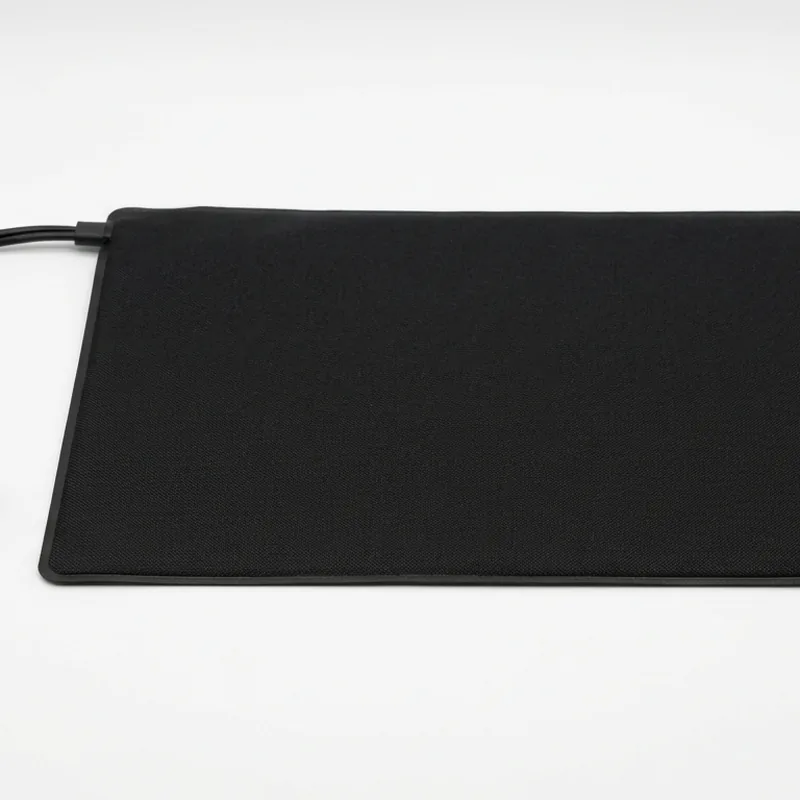
Under-Tank Heating Pad
Gentle, consistent warmth from below, often used alongside an overhead heat source for a fuller temperature gradient.
Check PriceAlways Pair With a Thermostat
An unregulated heat source can overheat an enclosure quickly, which is genuinely dangerous. A thermostat that automatically maintains a safe range, paired with a digital thermometer to verify actual temperatures at both ends of the enclosure, is the safest setup.
Why Heat Sources Matter So Much
Many exotic species, especially those from tropical or subtropical origins, need consistent supplemental heat to stay healthy — inadequate warmth can suppress immune function, slow digestion, and in some cases become directly life-threatening. This isn’t a comfort upgrade; for many species it’s a core survival requirement in a home environment that doesn’t naturally match their native climate.
Types of Heat Sources
Ceramic heat emitters provide heat without light, useful for maintaining nighttime temperatures without disrupting a nocturnal species’ natural light cycle. Heat mats work well for species needing localized belly heat. Heat lamps combine light and warmth but need careful placement to avoid overheating one area while leaving the rest of the enclosure too cool.
Always Pair Heat Sources With a Thermostat
An unregulated heat source is a genuine fire and overheating risk — a thermostat that cycles the heat source on and off to maintain a target temperature range is a safety essential, not an optional upgrade, for any heat source left running continuously.
Creating a Temperature Gradient
Rather than heating an entire enclosure uniformly, most species do best with a gradient — a warmer basking or resting area and a cooler area — allowing the animal to self-regulate by moving between zones, which is how they’d naturally thermoregulate in the wild.
Backup and Redundancy Planning
For species where heat loss is genuinely dangerous, having a backup heat source or plan (a battery-powered option, or a plan to relocate the animal temporarily) protects against equipment failure or power outages — a single point of failure in temperature control is a real risk worth planning around rather than assuming equipment will never fail.
Placement and Enclosure Design Around Heat Sources
Position heat sources to avoid direct contact risk (burns from a heat source an animal can touch directly) while still achieving adequate ambient warmth — a heat source positioned outside the enclosure, radiating in, or protected by a guard, is often safer than one directly accessible to the animal.
Common Heat Source Mistakes
Placing a heat source too close (burn risk) or too far (ineffective heating), skipping the thermostat, and not verifying actual temperature at animal level rather than trusting the equipment’s rated output are all common, avoidable mistakes new exotic pet owners make.
Long-Term Equipment Maintenance
Regularly check heat source function, cords for wear (a genuine fire risk over time), and thermostat calibration accuracy — equipment that’s worked reliably for months can still fail, and periodic verification catches problems before they become emergencies.
Final Safety Reminder
Heat source safety — proper thermostat regulation, regular equipment checks, and backup planning — deserves the same seriousness as diet and enclosure choices. It’s an easy category to under-invest in since problems aren’t always immediately visible, but the consequences of getting it wrong can be severe for heat-dependent species.
Understanding Why Thermoregulation Differs So Much From Mammalian Pets
Many exotic pets, particularly those with origins closer to tropical or desert climates, rely on their environment far more directly for temperature regulation than dogs or cats, which maintain a stable internal body temperature largely independent of ambient conditions. For these species, an inadequate or unstable heat source isn’t a comfort issue — it directly affects digestion, immune function, and in some cases can become acutely dangerous within a surprisingly short window. Understanding this fundamental biological difference is what separates owners who treat heating as a serious infrastructure investment from those who treat it as an optional accessory, often to the animal’s real detriment.
Comparing Heat Source Types in Practical Detail
Ceramic heat emitters produce infrared heat without visible light, making them well suited to maintaining nighttime warmth for nocturnal species without disrupting their natural light-dark cycle — a genuine consideration many owners overlook. Under-tank or under-enclosure heat mats provide localized, gentle warmth well suited to species that benefit from belly heat while still allowing a cooler zone elsewhere in the enclosure. Heat lamps combine light and warmth in one fixture, convenient but requiring more careful placement to avoid creating an overly hot localized zone while leaving the rest of the space too cool. Radiant heat panels offer broader, more even coverage for larger enclosures. The right choice, often a combination of types, depends on your specific species’ natural behavior and the size and layout of your enclosure.
Thermostats Are Not Optional Equipment
An unregulated heat source — one plugged directly into an outlet with no thermostat controlling output — creates two real risks: overheating, which can be fatal for a heat-sensitive species surprisingly quickly, and equipment failure going unnoticed until the enclosure has already dropped to a dangerous temperature. A quality thermostat, ideally one with a probe placed at the animal’s actual level rather than relying on the heat source’s own internal sensor, is genuinely essential safety equipment, not a luxury upgrade to consider later. Budget for this from the very first purchase, not as an eventual addition.
Monitoring and Long-Term Reliability
Even well-chosen, well-installed heat equipment needs ongoing verification — bulbs and elements degrade over time, sometimes gradually enough that the change goes unnoticed without regular temperature logging. Keep a simple log of enclosure temperatures at different times of day for at least the first few weeks after any new setup, and periodically thereafter, rather than assuming a system that worked correctly at installation will continue working correctly indefinitely without any checking.
Understanding Wattage and Enclosure Size Matching
Heat source wattage needs to match enclosure size and ambient room temperature — an underpowered heat source won’t achieve adequate warmth in a larger enclosure or a cold room, while an oversized one paired with a small enclosure risks dangerous overheating even with a thermostat, since the swings between on and off can be more extreme. Consult sizing guidance specific to your enclosure dimensions rather than assuming a single wattage recommendation applies universally regardless of setup.
Regional Climate Considerations
Owners in naturally warm climates may need less supplemental heating equipment, or need it only seasonally, compared to owners in consistently cool or highly variable climates. Reassess your heating setup seasonally rather than assuming a system calibrated for winter conditions remains appropriately calibrated once ambient room temperature rises significantly in summer.
A Final Safety Note
When in doubt about whether your heating setup is adequate, verify with an actual thermometer reading at animal level rather than assuming based on how the room feels to you — human and exotic pet temperature comfort zones are often quite different.
Understanding Humidity’s Relationship to Heat
Heat and humidity interact closely in enclosure environments — some heating methods dry the air significantly, which can be a problem for species needing higher humidity, while others have minimal drying effect. Understanding this interaction for your specific heat source choice prevents accidentally solving a temperature problem while creating a new humidity problem.
Learning From Common Setup Mistakes
New owners commonly under-budget for heating equipment, choose based on price rather than genuine suitability, or skip the thermostat as a cost-saving measure they later regret. Learning from these frequently reported mistakes before your own setup, rather than discovering them through your own animal’s discomfort or a genuine health scare, is a straightforward way to start off on solid footing.
A Closing Thought
Heat source setup is one area where spending a bit more for genuinely reliable equipment, plus a proper thermostat, pays for itself many times over in reduced risk and peace of mind.
One Last Practical Tip
Test any new heating setup for at least 48 hours before introducing your animal, confirming stable target temperatures are actually achieved before the enclosure is considered ready for occupancy.
Thermostat Use and Backup Heating Safety
Any heat source used in an exotic pet enclosure should be run through a thermostat rather than plugged in directly, and this single equipment choice prevents the single most common heating-related emergency: an unregulated heat source overheating an enclosure well beyond safe limits, sometimes fatally, when ambient conditions shift or the device malfunctions. A thermostat continuously monitors enclosure temperature via a probe and cuts power to the heat source once the target temperature is reached, providing a level of safety that a heat source running on a simple on/off timer or no control at all simply can’t match.
Beyond the thermostat itself, a genuine backup plan matters more than most new owners initially realize — a power outage during cold weather can drop enclosure temperatures dangerously fast for species with narrow thermal tolerance, and having a battery-powered backup heat option or a clear emergency plan (such as moving the animal to an insulated carrier) prepared in advance turns a genuine emergency into a manageable inconvenience. It’s also worth testing any new heating setup with a separate thermometer for the first few days after installation, since thermostat probes can occasionally be miscalibrated or positioned in a spot that doesn’t reflect the temperature at the animal’s actual basking or resting location.
More Exotic Pets Resources
FAQ
Many species, especially reptiles, regulate their body temperature by moving between warmer and cooler zones — a single uniform temperature doesn't allow this natural behavior.
Strongly recommended — an uncontrolled heat source can overheat an enclosure and cause serious harm, while a thermostat keeps temperature within a safe range automatically.
A digital thermometer at both the warm and cool ends of the enclosure is the only reliable way to confirm the gradient is correct — don't guess by feel.
