
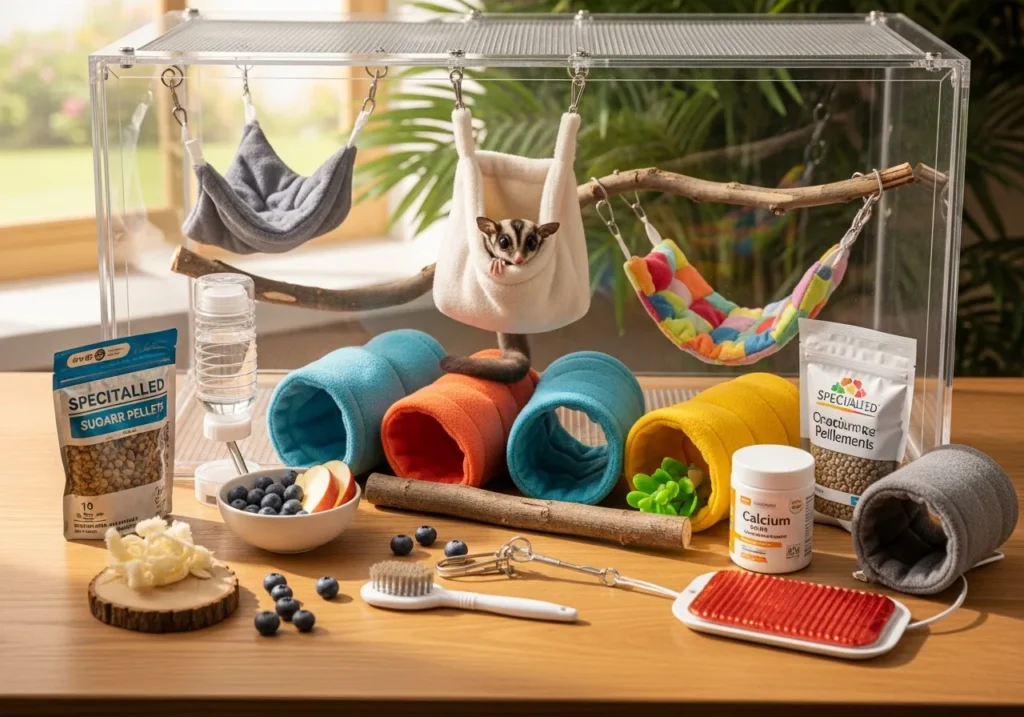
The best exotic pet enclosure matches your species’ specific space, climbing, and security needs — a glass terrarium suits many reptiles, a secure wire habitat suits climbing mammals, and size should always exceed the minimum recommendation for the adult animal, not the juvenile.
| Enclosure Type | Best For | Key Trait |
|---|---|---|
| Glass terrarium | Many reptile species | Holds humidity, easy to view |
| Screen/mesh terrarium | Species needing more airflow | Better ventilation, lower humidity retention |
| Wire habitat cage | Small climbing mammals | Good ventilation, climbing structure |
| Bioactive setup | Experienced keepers wanting a naturalistic enclosure | Self-cleaning substrate ecosystem |

Front-Opening Glass Terrarium
Easy access for feeding and cleaning while holding humidity well — a solid choice for many reptile species.
Check Price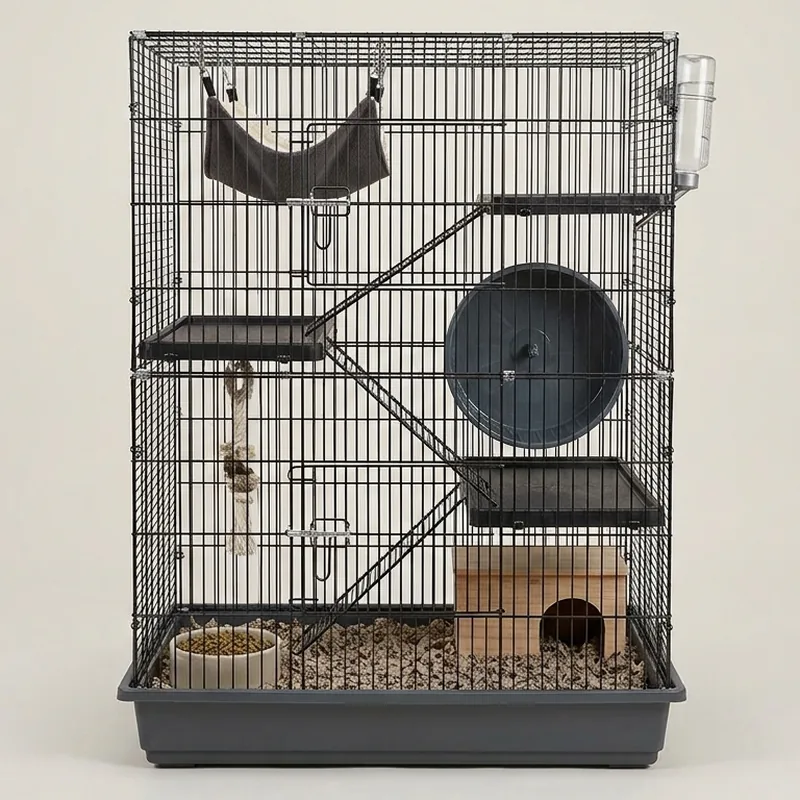
Multi-Level Wire Habitat
Good ventilation and vertical climbing space, suited to small mammals that like to climb and explore.
Check PriceAlways Size for the Adult Animal
One of the most common exotic pet mistakes is buying an enclosure sized for the juvenile animal at purchase, then needing to upgrade repeatedly as it grows. Research full adult size before buying and size the enclosure accordingly from the start.
Size Requirements Are Usually Bigger Than Expected
Starter enclosures sold as complete kits are frequently undersized for a species’ actual long-term needs — research the genuinely recommended minimum size for an adult of your specific species, and budget for that setup rather than assuming a store-bought starter kit is sufficient indefinitely.
Material and Safety Considerations
Enclosure materials need to be non-toxic, escape-proof at the specific spacing your species requires, and easy to clean thoroughly to prevent bacterial buildup. Sharp edges, gaps a curious or determined animal could squeeze through, and materials that trap excess moisture are all common design flaws worth checking for before buying.
Vertical vs. Horizontal Space
Climbing species (sugar gliders, some others) benefit far more from vertical height than floor space alone, while ground-dwelling species need adequate horizontal room to move naturally. Match enclosure shape to your species’ natural movement patterns, not just total volume.
Setting Up Multiple Zones
A well-designed enclosure includes distinct zones — sleeping/hiding areas, feeding areas, and activity/enrichment space — mirroring the variety a wild environment would naturally provide. A single open space with no distinct zones tends to under-stimulate and stress animals adapted to more complex natural environments.
Planning for Enclosure Upgrades as Your Pet Grows
Many species grow substantially from juvenile to adult, and a starter enclosure appropriate for a young animal often needs replacement or expansion within the first year. Researching adult size needs before purchase, and budgeting for an eventual upgrade, avoids the common scenario of an animal outgrowing its home before an owner realizes it’s happened.
DIY vs. Commercial Enclosures
Experienced keepers sometimes build custom enclosures to better match specific species needs and available space — a legitimate option if you research thoroughly and ensure the result meets safety, ventilation, and security standards a commercial product would meet, not simply a cost-cutting shortcut without proper research.
Ventilation Matters as Much as Temperature
An enclosure that holds heat and humidity well but lacks adequate airflow can develop harmful bacterial or fungal growth, particularly in humid-species setups. Balance environmental control with genuine ventilation — the two aren’t mutually exclusive with correct design.
Accessibility for Cleaning and Maintenance
An enclosure that’s difficult to access fully for cleaning tends to get cleaned less thoroughly and less often over time, simply from practical friction. Prioritize a design that makes routine maintenance genuinely easy, since consistency in cleaning matters more long-term than a marginally more elaborate but harder-to-maintain setup.
Final Thoughts on Enclosure Investment
A properly sized, well-designed enclosure is one of the highest-value investments in exotic pet ownership — it affects daily welfare more directly than almost any other single factor. Spending more upfront on a genuinely adequate, upgradeable setup usually costs less over time than repeatedly replacing an undersized starter option.
Starting From Species-Specific Minimum Requirements, Not Marketing
Commercially sold “starter kits” are frequently sized for retail convenience and shelf display rather than genuine long-term animal welfare, and relying on a kit’s marketing to determine adequate size is a common and consequential mistake. Before purchasing anything, look up genuine minimum size recommendations from exotic veterinary sources or established species-specific care organizations, and treat kit-sold enclosures as a possible short-term starting point for a young animal at most, not a permanent home for an adult.
Designing for Natural Behavior, Not Just Containment
An enclosure’s job isn’t simply to contain an animal safely — it should support the natural behaviors that keep an exotic pet physically and psychologically healthy. Climbing species need genuine vertical space and secure climbing structures, not just height for height’s sake. Burrowing species need substrate deep enough to actually burrow in, not a token shallow layer. Species that forage in the wild benefit from enclosure layouts that encourage similar exploration rather than a completely open, featureless space. Research your species’ natural behavior patterns specifically, and design the enclosure around supporting them.
Safety Details That Are Easy to Overlook
Beyond obvious escape-proofing, consider secondary safety factors: materials that won’t leach anything harmful if chewed (relevant for many rodent-type exotics with a strong chewing instinct), secure latching mechanisms that a clever animal can’t defeat with sustained effort, and enough weight or stability that an active or climbing animal can’t tip the structure. Take time reviewing an enclosure with these specific risks in mind before finalizing setup, ideally cross-checking against known escape or injury reports from other owners of the same species in online communities.
Planning the Physical Location Within Your Home
Where you place an enclosure matters nearly as much as the enclosure itself — avoid direct sunlight (which can cause dangerous overheating even in a climate-controlled enclosure), drafts from doors or air vents, and excessive foot traffic or noise for species prone to stress. A thoughtfully chosen, stable location supports both the animal’s physiological needs and its psychological comfort, particularly important for naturally cautious or easily stressed species.
Multi-Animal Enclosure Considerations
For social species housed together, enclosure size requirements increase beyond simply what’s needed for one individual — adequate space for each animal to retreat and have some independent territory, even in a generally compatible group, reduces stress and the risk of conflict. Research species-specific multi-animal space requirements rather than assuming a single-animal minimum simply needs modest expansion for additional animals.
Future-Proofing Your Setup
If there’s a reasonable chance you’ll want to keep more than one animal eventually, or if your chosen species will grow substantially from juvenile to adult, consider whether your enclosure choice allows for reasonable future adaptation or whether you’re deliberately choosing a setup you’ll need to fully replace later. Both approaches are valid depending on budget, but going in with a clear plan avoids an unplanned scramble later.
A Final Thought on Enclosure Choice
An enclosure is one of the few purchases in exotic pet ownership worth erring toward generous sizing rather than minimum requirements — the animal will use the extra space, and you won’t face an early, avoidable upgrade.
Considering Noise and Visibility for Sensitive Species
Some exotic species are notably sensitive to visual stimulation from busy household activity or nearby reflective surfaces, and enclosure placement or partial visual barriers can meaningfully reduce stress for these more easily overwhelmed animals. Research whether your specific species benefits from a calmer, more visually protected location versus one with more general household visibility and interaction opportunity.
Enclosure Aesthetics vs. Function
It’s tempting to prioritize an enclosure’s visual appeal in your home, but function for the animal should always come first — a beautifully styled enclosure that compromises on genuine size, safety, or environmental control requirements isn’t serving its actual purpose. Balance aesthetics as a secondary consideration after confirming all functional requirements are genuinely met.
A Closing Thought
A thoughtfully designed enclosure is the foundation everything else in exotic pet care builds on — invest the research and budget here first, and many other care challenges become noticeably easier.
One Last Practical Tip
Set up and stabilize a new enclosure’s environment for several days before bringing an animal into it, rather than assembling everything the same day it arrives.
Building a Bioactive Enclosure
A bioactive enclosure uses live plants, a layered substrate, and a cleanup crew of springtails and isopods to create a partially self-sustaining ecosystem that processes waste naturally, rather than relying entirely on manual spot-cleaning. The core structure is a drainage layer at the bottom (typically clay pebbles or a similar material), a barrier layer to prevent substrate from mixing into the drainage, then a substrate layer suited to the primary animal’s needs, often mixed with organic material like coco fiber, leaf litter, and sphagnum moss to support plant root growth and microfauna activity.
The cleanup crew — usually springtails and one or two isopod species — needs to be established for several weeks before the main animal is introduced, giving the populations time to build up enough numbers to actually keep pace with waste production once the enclosure is fully stocked. Live plants should be chosen for compatibility with both the humidity/light setup and the primary animal’s behavior — fast-growing, sturdy species tolerate occasional digging or climbing damage far better than delicate ornamentals. Bioactive setups need more upfront planning than a simple substrate-and-hide enclosure, but the long-term payoff is a more stable environment and significantly less manual maintenance once established.
More Exotic Pets Resources
FAQ
Always size for the adult animal's full-grown size, not the juvenile size at purchase — many owners undersize enclosures because the young animal starts small.
It depends on the species — glass terrariums often hold humidity better for reptiles that need it, while mesh/wire habitats offer better ventilation for species prone to respiratory issues in humid conditions.
Very — many exotic species are surprisingly good climbers or diggers, and a secure, well-fitted enclosure with a reliable latch is worth prioritizing.
