
Invertebrates don’t show illness the way a dog or cat does — there’s no whining, no obvious lethargy in the same sense. You have to know what’s actually normal for the species to catch what isn’t.
What “Healthy” Looks Like
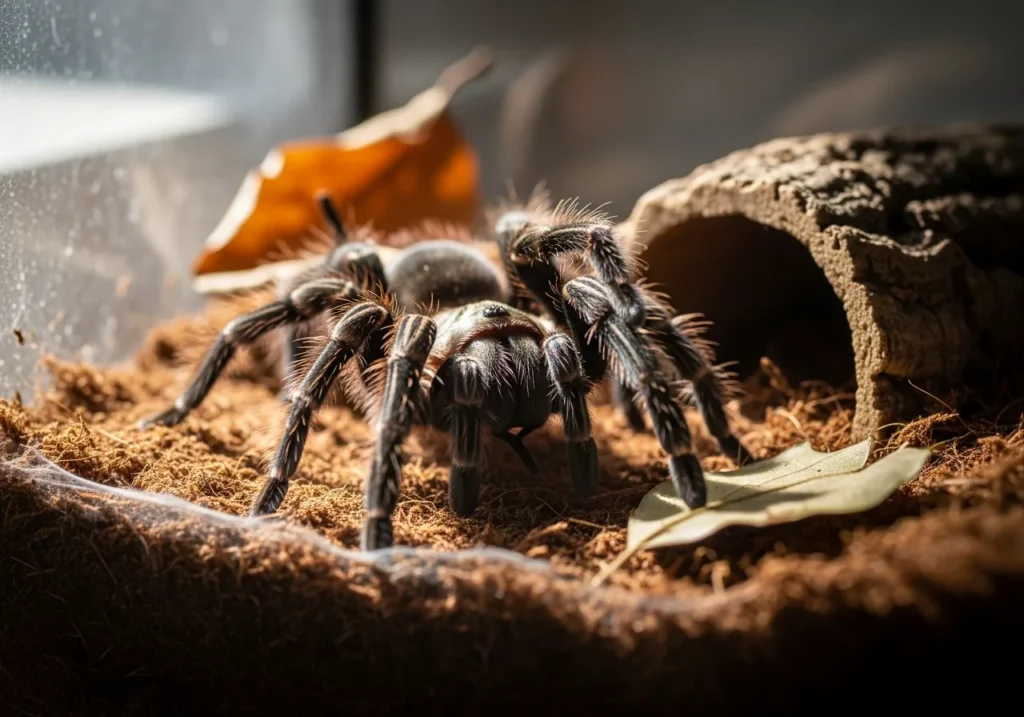
A healthy tarantula or scorpion moves with purpose when disturbed, has a plump (not shriveled) abdomen, and shows no visible injuries or discoloration on the legs or carapace. Isopods and millipedes should be active near the surface after dark and reproducing steadily if the colony is thriving.
Molting Is Normal — Don’t Panic
Molting is when an invertebrate sheds its exoskeleton to grow, and it can look alarming if you don’t know it’s coming. Before a molt, tarantulas often go off food, become less active, and may develop a dark, bald patch on the abdomen. This is completely normal — the biggest mistake keepers make here is offering prey during or right after a molt, which can injure a tarantula whose new exoskeleton hasn’t hardened yet. Wait at least a week after a molt before feeding again.
Actual Warning Signs
- Curled legs that don’t respond to touch — a classic sign of severe dehydration or a failed molt, and one of the few true emergencies in tarantula keeping.
- Visible mites swarming on the animal (as opposed to a few in the substrate, which can be normal) — usually points to an enclosure that’s too damp.
- Mold growth combined with lethargy in isopod or millipede colonies — often means the enclosure is too wet or overfed.
- A leaking or discolored abdomen on a tarantula — can indicate injury or a ruptured abdomen, which needs immediate attention (drying the area and reducing humidity can help stabilize while you seek expert advice).
Quarantine New Arrivals
Always keep a newly acquired invertebrate in a separate enclosure for several weeks before introducing it near an existing collection. Mites and parasites spread fast between enclosures, and this single habit prevents most collection-wide outbreaks.
Dehydration: The Most Common Preventable Problem
Dehydration is behind a large share of preventable invertebrate deaths, especially in tarantulas. It typically develops slowly from an enclosure kept too dry over time, rather than from one missed water refill. Watch for a shriveled or noticeably sunken abdomen and curled leg tips — early intervention (correcting humidity, ensuring water access) can reverse mild dehydration, but by the time legs are fully curled and unresponsive, the outlook is much more serious.
Recognizing a Failed or Difficult Molt
Most molts complete without any keeper intervention needed. A molt that’s taking unusually long, where the animal appears stuck partway out of the old exoskeleton, is a genuine emergency in invertebrate keeping — humidity that’s too low is the most common cause. Increasing humidity slightly and leaving the animal undisturbed is the standard first response; physically assisting a molt should only be attempted as an absolute last resort, since it carries real risk of injury.
Mite Infestations: Normal vs. Problem Levels
A small number of mites in the substrate of many enclosures is normal and not cause for alarm — mites are everywhere in nature. A problem level is when mites are visibly covering the animal itself, clustering around the mouth or joints, which usually signals an enclosure that’s too damp or has excess uneaten food decomposing. Correcting humidity and removing food debris promptly usually resolves it; large infestations may require a full substrate change.
Injuries and Leg Loss
Many invertebrates, tarantulas included, can lose a leg to injury or a bad molt without it being life-threatening — legs regenerate over subsequent molts, though it takes time and several molt cycles to fully regrow. The bigger concern is a leaking wound (hemolymph loss) that doesn’t clot, which does require prompt humidity and stress reduction to give the animal the best chance of naturally sealing the wound.
When to Seek an Exotics Vet
Exotic and invertebrate-experienced vets are less common than general small-animal vets, so it’s worth locating one before an emergency happens, not during one. Situations that generally warrant a vet call: a failed molt intervention gone wrong, a significant hemolymph leak that isn’t clotting, or a suspected serious injury. Many day-to-day invertebrate health issues, though, are managed through husbandry correction rather than veterinary treatment — knowing which category a symptom falls into is part of responsible keeping.
Enclosure Cleaning Without Stressing the Animal
Full substrate changes are stressful and shouldn’t happen more often than necessary — spot-cleaning waste and uneaten food between full changes reduces both the frequency of disruptive deep cleans and the buildup of the mold/bacteria that a dirty enclosure invites. Time full cleans for periods when the animal isn’t in pre-molt or freshly molted, since handling-adjacent stress during those windows carries more risk than at other times.
Aging and Long-Term Health Patterns
Long-lived species like female tarantulas show gradual changes over years that are normal aging, not illness — slower movement, longer stretches between molts, reduced appetite frequency. Distinguishing normal aging from an actual problem comes down to comparing against that individual animal’s own historical baseline rather than a fixed universal standard, which is part of why keeping basic notes on molt dates and feeding responses over the years genuinely helps.
Building a Basic Invertebrate First-Aid Kit
A simple kit — cornstarch or another clotting agent for minor hemolymph leaks, a small humidity-controlled backup container for an animal that needs isolation, and contact information for a located exotics vet — covers most manageable situations without requiring specialized veterinary equipment at home. The goal is stabilizing a minor situation and buying time, not replacing professional care for anything serious.
Environmental Stress Factors Beyond Humidity and Temperature
Vibration from nearby speakers, frequent enclosure relocation, and excessive foot traffic directly next to the enclosure can all contribute to chronic stress in sensitive species, even when temperature and humidity are correctly maintained. Placement matters — a quiet, low-traffic location generally produces calmer, healthier animals than a technically well-equipped enclosure in a high-disturbance spot.
Record-Keeping for Multi-Animal Collections
Once a collection grows past a couple of animals, a simple log — feeding dates, molt dates, any observed issues per enclosure — becomes genuinely useful rather than optional, since memory alone becomes unreliable at tracking individual patterns across several animals with different schedules.
Post-Purchase Observation Period
The first two to four weeks after acquiring a new invertebrate are the highest-risk window for revealing pre-existing health issues that weren’t obvious at purchase. Closer-than-usual observation during this period, without excessive handling or disturbance, helps catch problems early while they’re still more treatable.
Working With a Breeder on Health Questions
Established breeders are often a more responsive and specific resource for health questions about their exact bloodline or species than a general vet unfamiliar with that particular animal — maintaining contact with the breeder after purchase is a genuinely underused resource many new keepers overlook.
Working With Multiple Symptoms at Once
When more than one warning sign appears together — reduced activity alongside a shriveled abdomen, for instance — treat it as a stronger signal than either sign alone, and prioritize contacting an exotics vet rather than trying to address each symptom independently through husbandry adjustment alone.
Distinguishing Species-Typical Behavior From Illness
Some behaviors that look concerning are simply normal for a specific species — certain tarantulas kick urticating hairs defensively as standard behavior, not distress; some scorpions fluoresce under UV light, which is a normal trait, not a symptom. Researching your specific species’ documented normal behaviors before assuming something unusual is happening prevents unnecessary worry over completely typical behavior.
Coordinating Care During Travel or Absence
Invertebrates generally tolerate a keeper’s absence better than most pets — many species can go a week or more without any intervention given a properly set-up enclosure — but a written care plan for a pet-sitter, even a simple one, prevents a well-meaning sitter from overfeeding or over-misting out of uncertainty about what’s actually needed.
More Insects & Invertebrates Guides
FAQ
The real warning signs are curled, unresponsive legs, a leaking or discolored abdomen, or a swarm of mites visibly covering the animal — these point to dehydration, injury, or infestation and need attention. Going off food and slowing down, on the other hand, is usually just a sign a molt is coming and isn't a cause for concern on its own.
Yes — refusing food for days or even weeks is one of the most common and normal tarantula behaviors, usually signaling an upcoming molt. It only becomes a concern if it's paired with curled legs, weight loss visible in a shrunken abdomen, or lasts many months with no molt occurring.
A few mites moving in the substrate is often normal and harmless, but mites visibly covering the animal itself, clustering around the water dish, or exploding in number within days signals an enclosure that's too damp and needs drier substrate and better ventilation.
