
Not sure which pet invertebrate fits your experience level, space, or comfort with handling? Here’s how the major groups actually compare.
By Experience Level
True beginners: isopods and stick insects are close to foolproof once the enclosure is set up correctly — no feeding schedule to manage for isopods, and stick insects just need fresh browse. Confident beginners: hardy terrestrial tarantulas known for calm temperaments are a common and reasonable first tarantula. Experienced keepers only: fast, defensive, or arboreal species that bolt or flick hairs readily — these are not forgiving of handling mistakes.
By Handling Preference
If you want an animal you can occasionally handle with care, look at docile terrestrial tarantula species. If you want a purely “watch, don’t touch” pet, isopods, ant colonies, and most scorpions are display animals first — handling isn’t really part of the hobby with them, and that’s fine.
By Space
Isopods and small tarantula slings can live in enclosures smaller than a shoebox. Adult tarantulas and stick insect colonies need more like a 10-20 gallon equivalent footprint. Ant colonies (formicariums) range widely depending on colony size.
By Lifespan Commitment
This is the one people underestimate most. Female tarantulas of many popular species can live well over a decade — this is a long-term pet, not a novelty. Male tarantulas, isopods, and stick insects have much shorter natural lifespans, often a year or two, which suits people who want a lower long-term commitment.
Species to Research Further
Once you’ve picked a category, look up care sheets for specific, well-documented species rather than buying on sight — invertebrate care requirements vary more between species than most other pet categories, and “tarantula” or “isopod” alone isn’t specific enough to plan an enclosure around.
Tarantula Temperament Categories
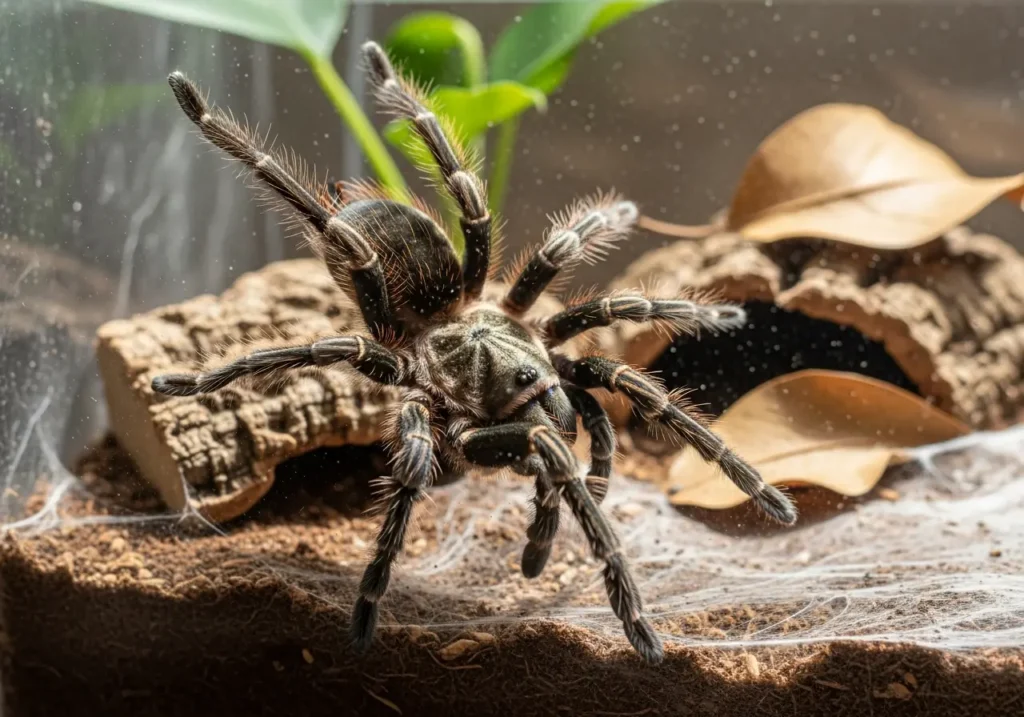
Tarantula species are broadly grouped by temperament in the hobby: “New World” species (from the Americas) tend to be more likely to flick urticating hairs as a defense — irritating but not dangerous — rather than bite readily. “Old World” species (from Africa and Asia) tend to be faster, more defensive, and more likely to bite if startled, with a more medically significant bite in some species. This distinction matters far more for a first tarantula choice than color or size alone, and most experienced keepers steer beginners toward calm New World terrestrial species specifically because of this difference.
Isopod Species Worth Knowing
Not all isopods are identical in care or appearance. Some common species vary in humidity tolerance, size, and even color morphs that have become collectible in their own right within the hobby. For a first cleanup-crew colony, hardier, more humidity-tolerant species tend to establish and reproduce more reliably than more delicate, specialty color morphs, which are better suited to keepers with more established bioactive experience.
Scorpions as an Alternative to Tarantulas
Scorpions are often overlooked in favor of tarantulas but make genuinely good pets for the right keeper — generally hardy, long-lived, and low-maintenance, with the tradeoff that they’re purely display animals (handling is not advisable with almost any scorpion species, unlike some tarantulas). Sting potency varies enormously by species, and this is one category where species identification before purchase really matters for safety.
Formicarium (Ant Colony) Keeping
Ant keeping is a smaller but growing niche focused on watching colony behavior and growth over time rather than interacting with individual animals. Starting a colony typically means either catching a local queen during a nuptial flight season or purchasing a queen or starter colony from a specialty supplier — colony growth is slow at first, often months before real activity becomes visible, which suits patient keepers more than those wanting an immediately active pet.
Matching a Species to Your Actual Lifestyle
Beyond experience level, think honestly about your routine. Frequent travelers do well with low-maintenance species that tolerate irregular feeding (many tarantulas, isopods). Keepers who want daily interaction may find invertebrates less satisfying overall than a more interactive pet, since even hands-on species are lower-interaction than a dog or parrot. Matching the pet to realistic expectations prevents the most common source of invertebrate-keeping disappointment.
Regional Availability and Legality
Some invertebrate species face import or ownership restrictions depending on region — a handful of species are considered invasive risk in certain areas and require permits or are banned outright. This varies enough by state and country that it’s worth a direct check with local wildlife authorities before purchasing a specific species, rather than assuming availability from an online seller means it’s legal to keep everywhere.
Color Morphs and Selective Breeding
Within popular species, especially isopods and some tarantulas, selective breeding has produced color and pattern morphs that command significantly higher prices than the standard wild-type appearance. These morphs are cosmetic, not functionally different in care requirements — worth knowing before paying a premium expecting different husbandry needs, since the care sheet is identical to the standard form.
Buying From Shows vs. Online Sellers
Reptile and invertebrate expos let you see an animal’s condition directly before buying, which online ordering can’t offer. Reputable online sellers, though, often have better species documentation and more consistent captive-bred sourcing. Neither is universally better — the tradeoff is direct inspection versus documentation and selection, and it’s reasonable to use both depending on what you’re looking for.
Transitioning Between Enclosure Sizes as Animals Grow
Many invertebrates, tarantula slings especially, need enclosure upgrades as they grow through several molts — an enclosure sized for an adult is often genuinely unsafe for a tiny sling, since oversized space can make it harder for a small animal to find food and easier for it to become stressed navigating unnecessary open space. Sizing up gradually alongside actual growth, rather than starting with the “final” adult enclosure, generally produces better outcomes.
Community Resources Worth Using
Species-specific care sheets from established invertebrate keeping communities and forums tend to be more detailed and current than general pet-store literature, since they’re maintained by keepers actively working with the species. Cross-referencing a care sheet against more than one source before committing to a species is a reasonable habit, since individual sheets occasionally contain outdated or regionally-specific advice.
Rehoming and Species-Specific Adoption Networks
Specialty rescue and rehoming networks exist for several popular invertebrate species, offering an alternative to always buying new — worth checking before purchasing, both for cost savings and because some rehomed animals come with established feeding and handling history from the previous keeper.
Documenting a Growing Collection
As a collection expands across multiple species, simple labeling (species, acquisition date, source) on each enclosure prevents the mix-ups that become increasingly likely once you’re managing more than a handful of animals with different care requirements.
Considering Climate Control Needs Before Buying
Species requiring warmer temperatures than typical room climate add an ongoing equipment and electricity cost that’s easy to overlook when comparing species primarily by appearance or handling temperament — factor climate control needs into the decision alongside the more commonly discussed factors.
Assessing Long-Term Care Commitment Honestly
Beyond lifespan alone, consider how your circumstances might change over the years a long-lived invertebrate could be with you — moves, changes in living situation, or shifts in available time. A species with a decade-plus lifespan is a genuine long-term responsibility on the same order as many more traditional pets, even though day-to-day care time is much lower.
Learning From Experienced Local Keepers
Local invertebrate keeping clubs and expos offer a chance to talk directly with experienced keepers about a specific species before committing, often surfacing practical, real-world details that written care sheets don’t fully capture — worth seeking out before a first purchase if one exists in your area.
A Final Word on First-Species Choice
Whatever you choose, resist the pressure to pick the most visually striking or most-hyped species as a first animal — starting with a genuinely forgiving species builds real experience that makes every subsequent, more demanding species easier to succeed with.
More Insects & Invertebrates Guides
FAQ
Isopods and stick insects are widely considered the most forgiving starting points — isopods need almost no daily management once set up, and stick insects just require fresh browse. A calm, well-documented terrestrial tarantula species is a common next step for beginners who want something more interactive to watch.
Both can be beginner-appropriate depending on species, but tarantulas generally have a wider range of well-documented calm species available in the pet trade, while scorpions are hardier overall and tolerate care mistakes slightly better. Neither is inherently 'easier' — it comes down to the specific species you're considering.
Most common species (tarantulas, isopods, stick insects) don't require any special permit in most places, but a small number of species are restricted regionally — always check your local and state regulations before buying, especially for scorpions or less common species.
