

The best dog food for most dogs is a “complete and balanced” formula matched to their life stage and size, with a named animal protein as the first ingredient. There isn't one single best brand — the right choice depends on your dog's age, size, and any health sensitivities.
The best dog food for most dogs is a “complete and balanced” formula matched to their life stage and size, with a named animal protein as the first ingredient. There isn’t one single best brand — the right choice depends on your dog’s age, size, and any health sensitivities.
How to Choose Between Options
Start with life stage: puppy, adult, or senior formulas are balanced differently for growth versus maintenance versus aging joints and metabolism. Then factor in size — large-breed puppy formulas control calcium and growth rate to protect joints, which matters more than most owners realize.
| Type | Best For | What to Know |
|---|---|---|
| Large-breed puppy formula | Puppies expected to exceed 50 lbs adult weight | Controls growth rate and calcium to protect developing joints |
| Grain-inclusive adult formula | Most healthy adult dogs | The standard, well-researched choice unless a vet diagnoses a grain allergy |
| Limited-ingredient formula | Dogs with known food sensitivities | Fewer ingredients make it easier to identify a trigger |
| Senior formula | Dogs age 7+ (earlier for large breeds) | Lower calorie density, often added joint support |
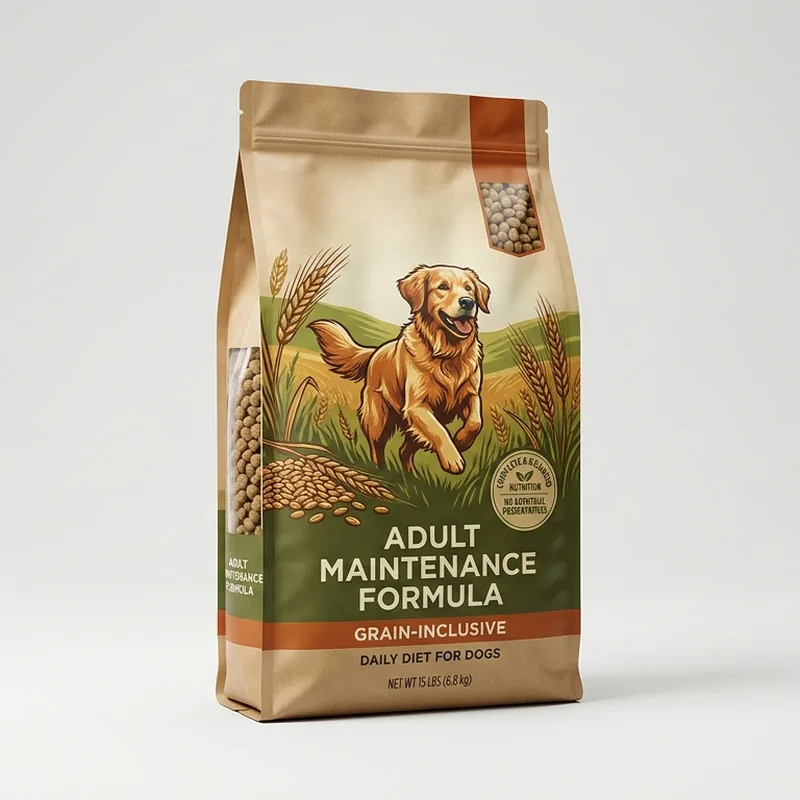
Grain-Inclusive Adult Maintenance Formula
A well-reviewed, AAFCO-complete adult formula from an established manufacturer is the right starting point for most healthy dogs with no diagnosed sensitivities.
Check Price on Amazon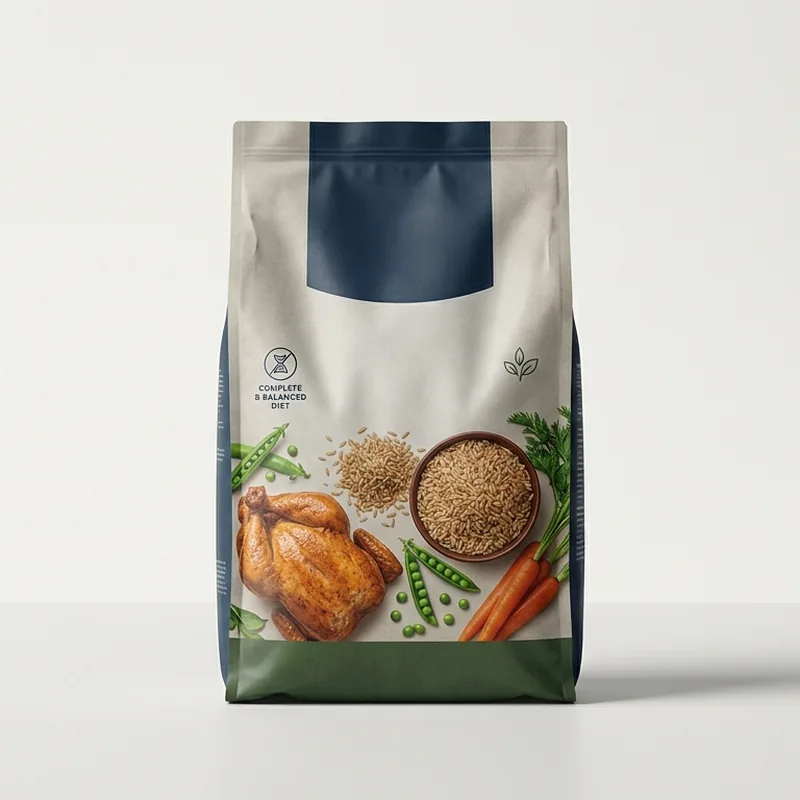
Mid-Tier Complete & Balanced Formula
You don’t need the most expensive bag on the shelf — look for the AAFCO statement and a named protein source first, price second.
Check Price on Amazon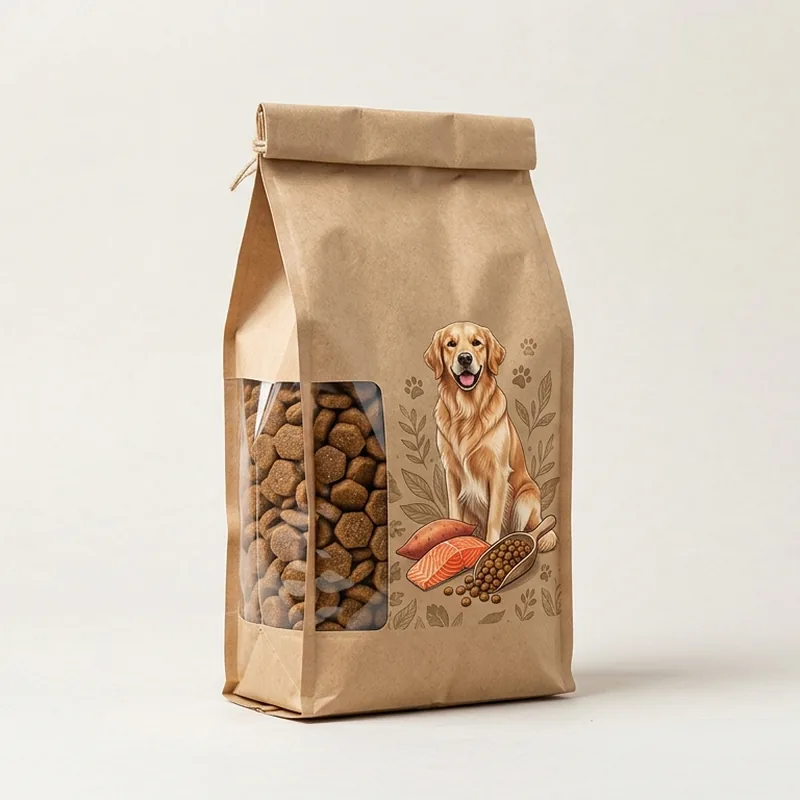
Limited-Ingredient Formula
Fewer ingredients make it much easier to pinpoint what’s causing digestive upset if your dog reacts to standard food.
Check Price on AmazonSigns the Food Isn’t Working
Loose stools, excessive gas, itchy skin, or a dull coat after a few weeks on a new food are all signs it may not be the right fit — even if it’s a well-reviewed brand. Every dog is different.
Understanding AAFCO Statements
Every complete-and-balanced dog food carries an AAFCO statement confirming it meets nutritional standards for a specific life stage — growth, adult maintenance, or all life stages. This single line of text on the label matters more than any marketing claim on the front of the bag, since it’s the closest thing to a regulated quality guarantee in pet food.
Wet vs. Dry: Does It Matter Which You Choose?
Dry kibble is more convenient and generally cheaper per calorie; wet food has higher moisture (useful for dogs that don’t drink much water on their own) and tends to be more palatable for picky eaters or seniors with dental discomfort. Many owners mix both, using wet food as a topper on dry kibble, as long as total daily calories stay in line with your dog’s needs.
Reading Past the Marketing
Terms like “premium,” “holistic,” and “natural” aren’t regulated the way “complete and balanced” is, so they don’t guarantee quality on their own. The ingredient list and guaranteed analysis panel tell you far more than front-of-bag language — a named protein source near the top of the list is a better signal than any single buzzword.
Grain-Free: When It’s Actually Necessary
Grain-free formulas are only genuinely necessary for dogs with a vet-diagnosed grain allergy, which is less common than marketing suggests. FDA reports have flagged a potential link between certain grain-free diets and heart issues (DCM) in some dogs, which is part of why most vets now recommend grain-inclusive formulas as the default unless there’s a specific diagnosed reason to avoid grain.
Transitioning to a New Food Safely
Switch gradually over 7-10 days, mixing increasing ratios of new food with the old, to avoid digestive upset. This matters even when moving to a “better” food — a sudden switch is hard on digestion regardless of whether the new food is nutritionally superior.
How Ingredient Sourcing Affects Quality
Where and how ingredients are sourced varies enormously between manufacturers, and country-of-origin labeling requirements differ by ingredient type. Established manufacturers with their own manufacturing facilities (rather than co-packing at a third-party plant) tend to have tighter quality control, though this isn’t something every brand discloses openly — checking a company’s website for manufacturing transparency is a reasonable extra step for owners who want to dig deeper.
Understanding Caloric Density Differences
Two foods with similar-looking feeding charts can have meaningfully different calorie density per cup, which is why comparing only “cups per day” between brands is misleading. Checking calories per cup (usually on the bag or the manufacturer’s website) and recalculating your dog’s actual portion when switching foods avoids accidentally over- or under-feeding during a transition.
Working With Your Vet on Food Selection
For dogs with no health issues, a vet’s input on food choice is optional but still useful, particularly at annual exams where body condition is being assessed anyway. For dogs with any diagnosed condition — kidney issues, allergies, joint problems — vet guidance on food selection isn’t optional, since some conditions require carefully formulated therapeutic diets rather than an over-the-counter choice.
The Role of Life-Long Diet Consistency
Dogs generally do better with fewer, more considered food changes than with frequent brand-hopping based on sales or trends — each switch is a digestive adjustment, and a dog that’s constantly transitioning between foods can develop a more sensitive stomach over time than one on a stable, appropriate diet.
A Simple Decision Framework
Start with life stage and size category, confirm an AAFCO complete-and-balanced statement, check that a named protein leads the ingredient list, and only then compare price and specific formulation details between the options that pass those first three checks. This order — fundamentals first, preferences second — avoids getting distracted by marketing before confirming the basics are covered.
How to Compare Two Similar-Looking Foods
When two foods both pass the basic checks (AAFCO statement, named protein first), compare the first five ingredients, the guaranteed protein and fat minimums on a dry-matter basis, and any specific claims relevant to your dog (joint support, sensitive skin) against your dog’s actual needs rather than the manufacturer’s broader marketing narrative.
What Independent Reviews Can and Can’t Tell You
Third-party pet food rating sites can be a useful starting filter, but their methodology varies and isn’t universally trusted by veterinary nutritionists — treat them as one input, not the final word, especially when their criteria (like penalizing all grain-inclusive foods) conflict with current veterinary consensus.
Final Thought
The right food for your dog is the one that’s complete and balanced for their life stage, agrees with their digestion, and fits your budget sustainably — not necessarily the most expensive or most heavily marketed option on the shelf. Reassess periodically rather than treating the first choice as permanent.
What Changes as Manufacturing Standards Evolve
Pet food regulation and best practices continue to evolve — the DCM/grain-free research is a recent example of guidance shifting as more data becomes available. Following updates from your vet or reputable veterinary nutrition sources rather than relying on years-old advice keeps your choices current with the latest understanding.
A Note on Consistency Over Perfection
No food choice needs to be perfect — a solid, complete-and-balanced option fed consistently, with body condition monitored over time, serves a dog better than an anxious search for a theoretically perfect food that never quite gets chosen.
One More Practical Tip
Take a photo of the ingredient panel when you find a food that works well — it makes comparing future options or restocking the exact right formula far easier than relying on memory of a brand name alone.
Storing Dry and Wet Food Correctly
Dry kibble keeps its nutrient profile best in the original bag, sealed and placed inside an airtight container rather than poured loose into a bin — the bag itself is lined to block oxygen and light, both of which degrade fats over time. Opened wet food should go straight into the fridge in a sealed container and get used within two to three days; if a can sits out for hours at a meal that was skipped, it is safer to discard it than to offer it later.
More Dogs Resources
FAQ
Not automatically. Grain-free is only necessary for dogs with a diagnosed grain allergy, and the FDA has flagged a potential link between some grain-free diets and heart issues (DCM) in certain dogs.
Transition over 7-10 days, mixing increasing amounts of new food with decreasing amounts of old food, to avoid stomach upset.
Both can be part of a complete, balanced diet. Dry food is generally more convenient and better for dental health; wet food has higher moisture content, which can help dogs that don't drink much water.
Not necessarily. Price doesn't reliably correlate with quality — check the AAFCO statement and ingredient list rather than assuming a higher price tag means a better formula.
It's a reasonable starting point since your dog is already used to it, but you're not locked in — a gradual transition to a different quality food is fine if you prefer another brand.
Watch for loose stools, excessive gas, itchy skin, or a dull coat within a few weeks of starting a new food. If these appear, a limited-ingredient formula can help isolate the trigger.
Yes, as long as both are complete and balanced for your dog's life stage. Introduce any new food gradually regardless of whether you're switching entirely or mixing brands.
Often yes — senior formulas are typically lower in calories to match a slower metabolism and sometimes include joint-support ingredients, though an active senior may not need the calorie reduction a sedentary one does.
