

Coconut fiber (coco coir) is the safest, most versatile substrate for most pet invertebrates, holding humidity evenly for burrowing species. Isopods and millipedes do better on a leaf litter mix, which doubles as food.
Substrate choice depends on your species’ natural behavior — burrowing species need depth, while others need moisture-retention or drainage more than depth. Here’s how to choose.
| Substrate | Best For | Notes |
|---|---|---|
| Coconut fiber (coco coir) | Most tarantulas & burrowing species | Holds humidity well, easy to spot-clean, widely available |
| Topsoil/coco coir blend | Heavy burrowing species | Better structural stability for deep, self-supporting burrows |
| Leaf litter mix | Isopods & millipedes | Doubles as food source and humidity buffer in bioactive setups |
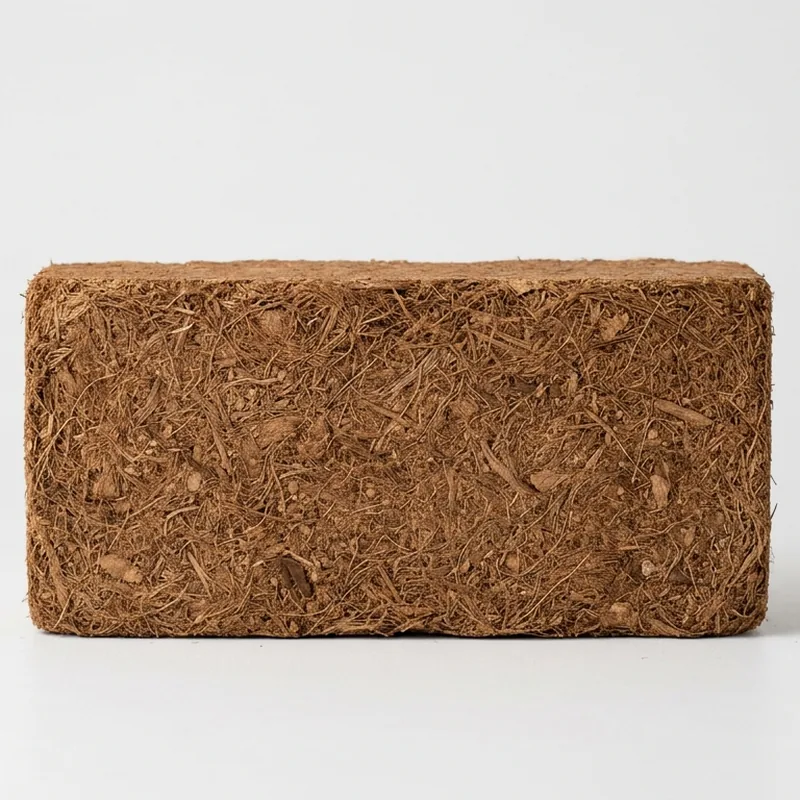
Compressed Coconut Fiber Substrate
Expands to a large volume from a compact brick, holds humidity evenly, and is safe for the vast majority of commonly kept species.
Check Price
Mixed Leaf Litter (Oak & Magnolia)
Functions as both substrate and food source, ideal for bioactive isopod and millipede setups.
Check PriceAvoid scented or chemically treated substrates sold for other pets (like some reptile or small-mammal beddings) — these can be harmful to invertebrates and aren’t formulated for their needs.
Substrate Depth by Species Type
Heavy burrowing species need enough depth to construct a full, self-supporting burrow — often 4-6 inches or more for adult terrestrial tarantulas known for extensive burrowing. Species that don’t burrow deeply need far less, and excess unused depth just adds unnecessary substrate cost and cleaning surface area without benefiting the animal.
How to Test if Substrate Moisture Is Correct
A simple squeeze test works for most coir-based substrates: it should hold its shape briefly when compressed but not release visible water, and should crumble apart easily rather than staying compacted. Substrate that feels merely “cool to the touch” isn’t a reliable enough indicator on its own — the squeeze test combined with an actual hygrometer reading gives a far more accurate picture.
Replacing vs. Refreshing Substrate
A full substrate replacement is more disruptive to the animal and any established bioactive microfauna than a partial refresh — spot-removing waste and adding fresh substrate on top when needed extends the time between full replacements and reduces unnecessary stress from repeated total enclosure teardowns.
Substrate Choices for Specific Species Groups
Desert or arid-adapted species do better with a sand-and-soil blend that drains rather than retains moisture. Tropical, humidity-loving species need a substrate that holds moisture evenly, like coco coir, without becoming waterlogged. Using a one-size-fits-all substrate approach across very different species in a mixed collection is one of the more common setup mistakes for keepers expanding beyond their first animal.
Where to Buy Quality Substrate
Specialty reptile/invertebrate retailers generally offer substrate specifically tested and marketed for the purpose, without the additives or scents sometimes found in general small-pet bedding aisles. Reading the product description carefully for “safe for invertebrates” or species-specific claims, rather than assuming any bagged natural-fiber substrate is automatically appropriate, avoids an easy but consequential mistake.
Substrate Depth Maintenance Over Time
Substrate naturally compacts and loses volume over months of use, particularly with an active burrowing animal — periodically checking and topping up depth, rather than assuming the original fill level is holding steady, prevents a burrowing species from gradually losing adequate depth without an obvious sign.
Combining Substrate Layers for Bioactive Setups
A layered approach — drainage material at the bottom, then substrate, then leaf litter on top — is standard for bioactive setups specifically, distinct from the single-layer substrate approach used in simpler, non-bioactive enclosures. Conflating the two approaches is a common source of drainage or mold problems in a first bioactive attempt.
Substrate and Odor Control
A correctly maintained enclosure with appropriate substrate shouldn’t produce a noticeable odor under normal circumstances — persistent smell usually indicates decomposing uneaten food, waste buildup, or substrate that’s been too wet for too long, and is a useful early indicator to investigate rather than simply masking with more frequent substrate changes.
Substrate and Long-Term Bioactive Success
A bioactive substrate layer’s long-term success depends heavily on cleanup crew population matching enclosure size and waste load — an undersized cleanup crew in a large enclosure struggles to keep pace, leading to gradual waste buildup even with correct substrate composition. Sizing the cleanup crew population to the enclosure, not just picking a substrate recipe, matters for genuine long-term success.
Substrate Sourcing for Larger Collections
Keepers managing several enclosures often shift to buying substrate in bulk compressed bricks rather than smaller pre-mixed bags, which meaningfully reduces cost per enclosure over time — worth considering once you’re maintaining more than two or three setups regularly.
Recognizing When Substrate Needs a Complete Overhaul
Persistent odor, visible mold that returns after cleaning, or a substrate that’s compacted into a solid, difficult-to-burrow-through mass despite regular maintenance are signs that a partial refresh isn’t enough and a full substrate replacement is genuinely needed, rather than continuing to patch a substrate that’s past a reasonable working lifespan.
Substrate Choices for Species With Specific Digging Behaviors
Some species dig extensive, complex burrow systems rather than simple depressions — these species benefit from substrate specifically chosen for burrow stability (a slightly moist sand-soil mix that holds a tunnel shape) rather than a substrate chosen mainly for moisture retention alone.
Understanding Substrate pH and Chemical Considerations
Most commercially available invertebrate substrates are pH-neutral and safe by default, but substrates repurposed from other uses (garden soil, for instance) can carry additives or pH levels unsuitable for sensitive species — sticking to substrate specifically marketed for invertebrate or reptile use removes this uncertainty.
Substrate Considerations When Traveling or During Extended Absences
A slightly deeper or more moisture-retentive substrate setup before a longer absence can help buffer humidity swings while you’re away and unable to mist or monitor as closely — a reasonable temporary adjustment specifically for planned travel, not a permanent setup change.
Substrate Considerations for Enclosures With Live Plants
Live-planted enclosures need substrate that supports both the animal’s needs and root health for the plants, which is a more specialized combination than substrate chosen for the animal alone — plant-safe, non-toxic substrate specifically formulated for bioactive live-plant setups is worth seeking out rather than assuming any bioactive-labeled substrate works identically for planted setups.
Signs Your Current Substrate Choice Isn’t Working
Persistent difficulty maintaining target humidity despite regular misting, unusual odor, or an animal that seems to avoid burrowing in an otherwise appropriate substrate are all signs worth investigating — sometimes the issue is genuinely the substrate choice itself rather than your maintenance routine.
Final Word on Substrate Choice
Substrate is one of the cheaper parts of an invertebrate setup, but its impact on your animal’s day-to-day welfare is disproportionately large — it’s worth the extra research time to get right rather than treating it as an afterthought once the enclosure itself is chosen.
A Practical Substrate Testing Routine
Before fully committing a new substrate batch to an established enclosure, test it in a small, separate container first to observe how it holds moisture and dries out under your specific home’s conditions — home humidity and airflow vary enough that a substrate performing perfectly for another keeper may behave differently in your specific setup.
Matching Substrate Depth and Moisture to Species Needs
Substrate isn’t interchangeable across invertebrate species, and getting depth and moisture wrong is one of the more common preventable causes of poor health in captive setups. Burrowing species need substrate deep enough to support a full permanent burrow without hitting the enclosure floor — for many tarantulas and larger invertebrates, that means 4 to 6 inches minimum, packed firmly enough near the bottom that tunnels don’t collapse under their own weight. Species that don’t burrow, by contrast, only need enough substrate to hold humidity and allow natural digging behavior during molting, typically 1-2 inches, and excess depth beyond that just adds unnecessary moisture-retention risk.
Moisture requirements vary just as much by species origin as by behavior — arid-adapted species need substrate that dries out almost completely between light mistings, while tropical species need consistently damp (not soaked) substrate maintained with regular misting or a moisture-retentive substrate mix. The most common mistake is applying a single moisture routine across every enclosure in a collection regardless of species origin, which reliably causes problems for whichever species is mismatched to that routine — too dry for tropical species leads to failed molts, while too wet for arid species invites mold and bacterial issues.
More Insects & Invertebrates Resources
FAQ
Coconut fiber (coco coir) is the most widely recommended substrate for the majority of commonly kept species — it holds humidity evenly and is safe and easy to spot-clean.
It's risky — most potting soils contain added fertilizers, pesticides, or perlite that can harm invertebrates, so it's safer to use substrate specifically sold for reptile/invertebrate keeping rather than repurposing garden soil.
Burrowing tarantulas and other invertebrates typically need substrate at least as deep as their leg span, sometimes more, to express natural burrowing behavior.
