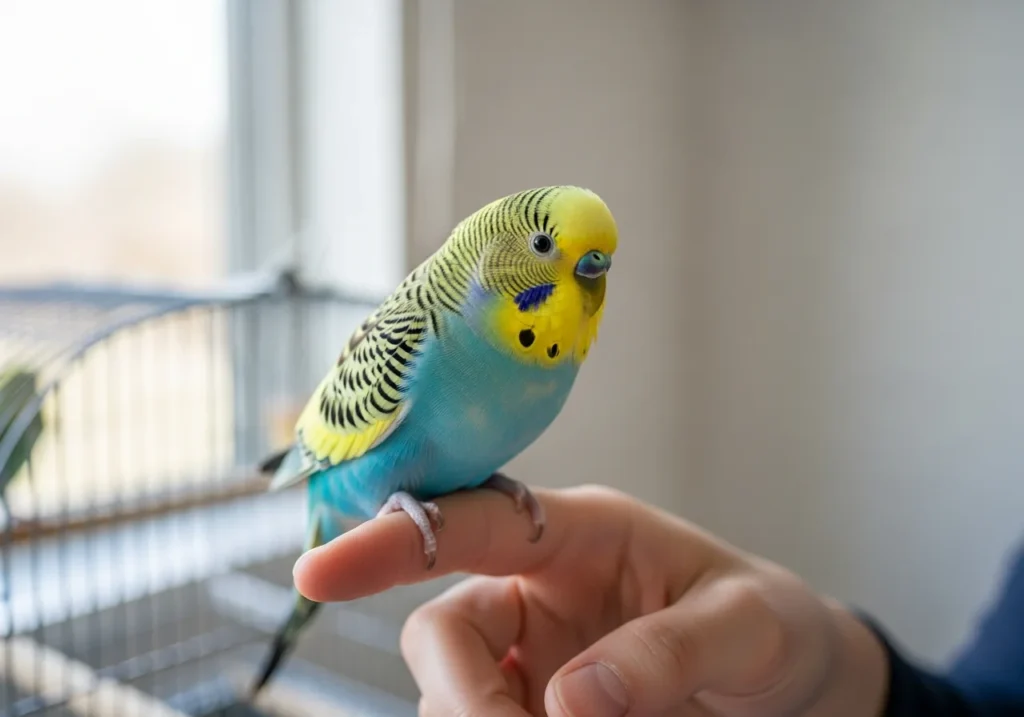
Birds are prey animals by instinct, even generations into domestication, and they hide illness extremely effectively — a visibly sick bird in the wild is an immediate target for predators. This makes proactive care essential, since obvious symptoms often mean a bird is already seriously unwell.
Routine Care
Annual checkups with an avian-specialized vet (not a general small-animal vet) are strongly recommended, along with regular nail and beak condition monitoring — some species need occasional trims, others wear them down naturally with appropriate perches and toys.
Daily Health Observation
Because birds hide illness so well, daily observation matters more than a weekly check. Watch for changes in droppings (consistency, color), activity level, appetite, and vocalization — a normally chatty bird going quiet, or vice versa, is worth noting.
Warning Signs That Need a Vet Visit
- Fluffed-up feathers for extended periods — birds fluff to conserve heat when unwell.
- Sitting at the bottom of the cage instead of perching.
- Changes in droppings — color, consistency, or frequency.
- Discharge from eyes or nostrils, or labored breathing.
- Sudden feather plucking — can be medical or stress-related, but always worth investigating.
Related Reading
See Signs Your Pet Bird Is Sick and Birds Health Checklist.
