

The best dog food is a complete-and-balanced formula matched to your dog's life stage and size, from an established manufacturer with a named protein source first on the ingredient list — not necessarily the most expensive option on the shelf.
The best dog food is a complete-and-balanced formula matched to your dog’s life stage and size, from an established manufacturer with a named protein source first on the ingredient list — not necessarily the most expensive option on the shelf.
Top Picks by Category
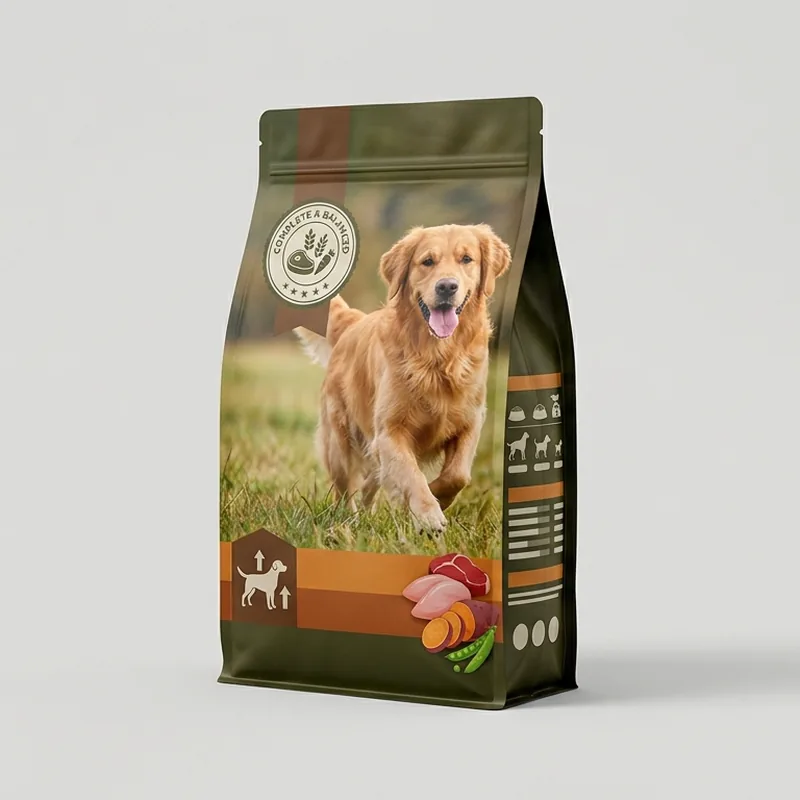
Adult Complete & Balanced Formula
A well-established, AAFCO-complete adult formula is the safest default for most healthy dogs with no known sensitivities.
Check Price on Amazon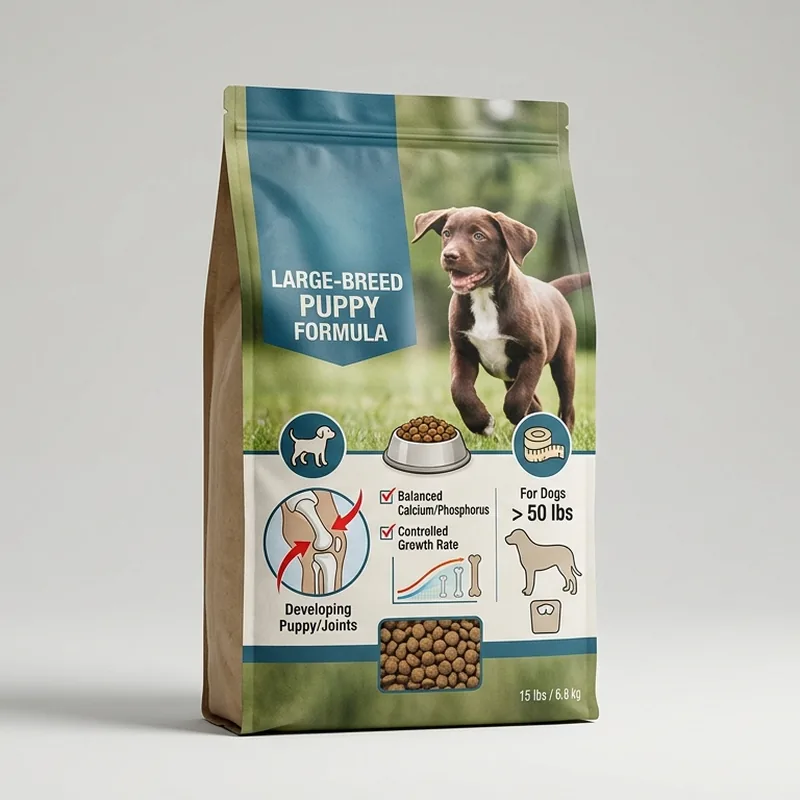
Large-Breed Puppy Growth Formula
Controls calcium and growth rate specifically to protect developing joints in dogs expected to exceed 50 lbs.
Check Price on Amazon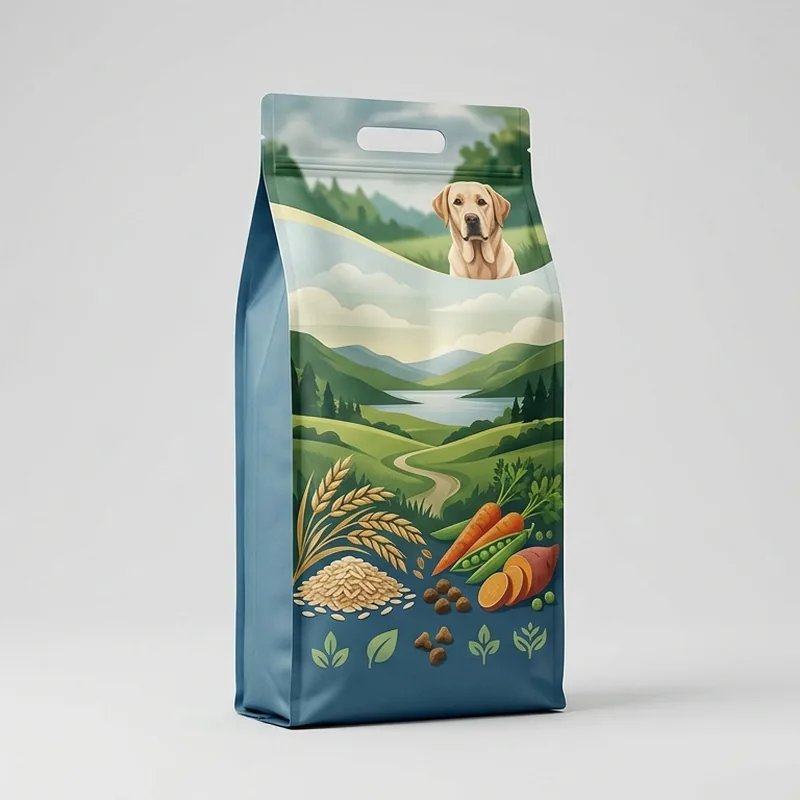
Mid-Tier Adult Formula
Meets the same AAFCO completeness standard at a lower price point — the ingredient statement matters more than the price tag.
Check Price on AmazonWhat to Avoid
Skip foods with vague ingredient lists (“meat by-product” with no named source), unnecessary grain-free formulas for dogs with no diagnosed allergy, and any product making health claims without a clear AAFCO life-stage statement.
Understanding What “Best” Really Means
There’s no single objectively best dog food — the right choice depends on your specific dog’s age, size, activity level, and any health sensitivities. A food that’s excellent for a senior small breed may not suit a large-breed puppy at all, which is why matching life stage and size comes before comparing specific brands.
Ingredient Quality Signals Worth Knowing
A named animal protein (chicken, beef, salmon) as the first ingredient is a stronger signal than a vague “meat meal” or “animal byproduct” listing. Beyond that, an AAFCO statement confirming the food is complete and balanced for your dog’s life stage matters more than any other single label detail.
How Often Should You Re-Evaluate Your Dog’s Food?
Reassess at every major life stage transition (puppy to adult, adult to senior), after spay/neuter (metabolism changes), or if you notice any signs the current food isn’t agreeing with your dog — loose stools, itchy skin, or a dull coat are all worth investigating rather than assuming they’re unrelated to diet.
Common Feeding Myths Worth Retiring
“Dogs need variety to avoid boredom with food” isn’t true the way it is for humans — dogs generally do fine on a consistent food they tolerate well, and frequent switching for variety’s sake increases digestive upset risk without a real nutritional benefit. Consistency, not variety, is what most dogs actually need.
How Manufacturing Changes Affect a Trusted Food
Even a food that’s worked well for years can occasionally be reformulated by the manufacturer — checking the ingredient list periodically, even for an established go-to food, catches unexpected changes before they cause a surprise reaction in your dog.
Final Thought
Consistency in a good-quality, appropriate food beats chasing the latest trending brand. Once you find a food your dog thrives on, the biggest ongoing task is simply monitoring body condition and re-evaluating only when something genuinely changes.
Building a Relationship With a Trusted Pet Store or Source
A knowledgeable local pet store employee or your vet’s recommendation can be a genuinely useful resource for navigating options, especially as new products launch constantly — having a trusted source to sanity-check a new product claim saves time compared to researching every option from scratch alone.
One More Practical Tip
Keep a small supply of your dog’s current food on hand even when trying something new, in case of a rejected transition — this avoids being stuck without any food your dog will actually eat during a switch that doesn’t go as planned.
A Closing Thought
Food is one part of a much bigger picture of care — a great food choice paired with inconsistent portions or neglected dental care won’t deliver the results a thoughtful, consistent approach across all these areas together will.
Keeping a small notebook of which foods you’ve tried and how your dog responded creates a useful reference if you ever need to switch again down the line, rather than starting the trial-and-error process from zero.
Wrapping Up
Match life stage and size, confirm the AAFCO statement, check the ingredient list, and then let your dog’s actual body condition and digestion be the final judge of whether it’s genuinely the right choice.
If you’re ever unsure between two reasonable options, your vet’s specific familiarity with your individual dog is a better tiebreaker than any general guide, including this one.
A Few More Practical Notes
Seasonal or regional availability can affect which specific products are easiest to source consistently — building some flexibility into your choice (knowing a backup option that meets the same criteria) avoids a stressful scramble if your usual food is temporarily out of stock.
Putting It All Into Practice
Pick a solid, complete-and-balanced option matched to your dog’s life stage this week, commit to the full transition period, and give it genuinely several weeks before deciding whether to look further — most food ‘failures’ are actually just an incomplete transition.
That covers the full picture on choosing the right food for your dog.
Start with the fundamentals, stay consistent, and adjust only when your dog’s actual condition tells you to.
A Sample Selection Process
Step one: confirm life stage and size category. Step two: shortlist 2-3 options meeting the AAFCO and ingredient-quality bar. Step three: pick one, transition gradually, and monitor for four weeks before deciding whether to stick with it or try an alternative from your shortlist.
Final Word
Food quality matters, but it’s one piece among many — pair a solid food choice with consistent portions, regular vet care, and attentive observation for the best overall outcome for your dog’s health.
A Few Extra Notes
If your dog has recently had bloodwork done, share those results with whoever you’re consulting about food choice (vet, nutritionist) since certain values can meaningfully inform whether a standard formula or something more specific is the better fit.
Multi-dog households with different-sized dogs sometimes find it simpler to choose one high-quality formula appropriate across their dogs’ shared life stage, portioned differently by weight, rather than managing several different bags simultaneously — worth considering if it simplifies your routine without compromising any individual dog’s needs.
Last Practical Note
Set a calendar reminder to reassess your dog’s food and portions every six months — tying it to a recurring event like a seasonal change makes the habit easy to sustain without extra mental effort.
One Final Practical Example
An owner switches to a new food, follows the full 7-10 day transition, and notices firmer stools and a shinier coat within a month — a genuine sign of a good match. Another owner switches abruptly, sees loose stools within days, and assumes the food itself is the problem, when a proper transition might have told a different story entirely. The process matters as much as the product.
Match the fundamentals, watch your dog’s response, and adjust only when genuinely needed.
That’s the complete picture.
A Last Real-World Scenario
Consider a household with a 6-month-old large-breed puppy: the right choice is a large-breed puppy formula, not a generic puppy food, specifically because of the calcium and growth-rate control that protects developing joints in dogs expected to exceed 50 pounds as adults. Getting this specific detail right during the puppy months has effects that carry into the dog’s joint health for years afterward — a clear example of why matching food precisely to your dog’s actual profile, not just their general age category, genuinely matters.
The same logic applies at the other end of life — a senior small-breed dog benefits from a senior-specific formula with adjusted calorie density and joint support, rather than staying on an adult maintenance food indefinitely simply out of habit. Matching the formula to the actual dog in front of you, at their actual current life stage, is the throughline across every recommendation in this guide.
Get these fundamentals right and the rest is fine-tuning.
A well-fed dog, checked in on consistently, is a healthier dog for the long run — and that’s really the whole point of all of this.
Truly, that’s everything.
More Dogs Resources
FAQ
Transition gradually over 7-10 days, mixing increasing ratios of new food with old, rather than switching abruptly, which commonly causes loose stools or vomiting.
Only if properly formulated by a veterinary nutritionist — unverified homemade recipes found online frequently have nutritional gaps that a reputable commercial complete-and-balanced food doesn't.
Large-breed puppies specifically need formulas that control calcium and growth rate to protect developing joints — this matters more for puppies than for adult large-breed dogs.
A sudden refusal to eat a previously accepted food, especially combined with other symptoms, warrants a vet check rather than just assuming pickiness — it can signal dental pain or illness.
