
Care Difficulty
Match the species’ documented difficulty level to your actual experience — a beginner-friendly leopard gecko sets you up for success far better than an advanced species chosen for looks alone.
Adult Size and Enclosure Space
Confirm the full adult size before buying — some species need enclosures far larger than what’s needed for a juvenile.
Handling Tolerance
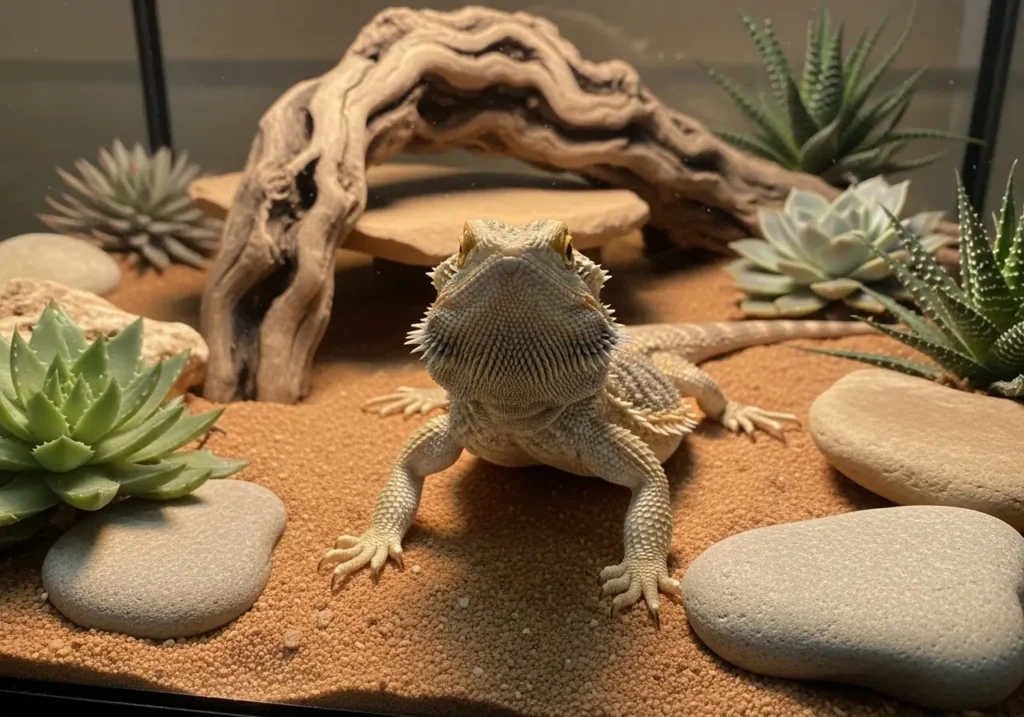
Some species tolerate regular handling well (bearded dragons, corn snakes); others are more stress-prone and better suited to being observed rather than handled often (many frogs and some snake species).
Start With Your Living Situation, Not the Animal
Before considering species, be honest about your space, climate control, and household — some reptiles need enclosures that take up significant floor or shelf space at their adult size, and heating/lighting equipment adds ongoing electricity cost that’s easy to underestimate. Renters should also confirm reptile ownership is permitted, since some leases restrict exotic pets even when general “pets allowed” policies exist.
UVB and Heating Requirements Vary Enormously by Species
Some species (leopard geckos, corn snakes) can be kept without intense UVB lighting, while others (bearded dragons, many day geckos) require strong, correctly positioned UVB to prevent metabolic bone disease — a serious, largely preventable condition caused by inadequate UVB or calcium supplementation. Factor in not just the upfront cost of lighting equipment but the ongoing need to replace UVB bulbs on a schedule (typically every 6-12 months depending on the bulb type), since UVB output degrades well before the bulb visibly stops working.
Feeding Requirements: Live Insects, Rodents, or Prepared Diets
If you’re not comfortable keeping or handling live feeder insects, species that eat pre-killed rodents (most snakes) or accept prepared powdered diets (crested geckos) may suit you better than insectivorous lizards. Consider also the frequency — some species need daily feeding as juveniles, while others (many snakes) eat as infrequently as once every 1-2 weeks as adults.
Handling Tolerance and Temperament
If you want an interactive pet you can regularly hold, bearded dragons and corn snakes generally tolerate handling better than more skittish species like most chameleons or many wild-caught amphibians. If you’re primarily interested in observation rather than handling, a well-set-up bioactive enclosure with a more reclusive species can still be deeply rewarding without the same handling expectations.
Lifespan as a Real Commitment Factor
Reptile lifespans vary dramatically — leopard geckos often live 10-20 years, and some tortoise species can outlive their owners entirely. Choosing a species without considering whether you can realistically commit to (or plan for the rehoming of) a multi-decade pet is one of the most common sources of reptiles ending up in rescue situations later.
Budget for Setup and Ongoing Costs
Initial setup costs (enclosure, heating, lighting, substrate, hides) can range from modest to several hundred dollars depending on species, and ongoing costs include feeders or food, occasional equipment replacement (bulbs, thermostats), and veterinary care from an exotic-experienced vet, which often costs more per visit than typical cat/dog veterinary care. Budget realistically before committing to a species with demanding equipment needs.
Research the Individual Species, Not Just the Category
“Reptile” and “amphibian” cover an enormous range of care requirements — a leopard gecko and a chameleon are both lizards but have almost nothing in common in terms of care difficulty. Research your specific target species’ full adult care sheet, not general reptile-keeping advice, before making a final decision.
The Bottom Line
Choose based on your realistic space, budget, feeding comfort level, and long-term commitment — not appearance alone. A species that’s a poor match for your actual lifestyle, however appealing it looks, is far more likely to end up under-cared-for than one chosen with these practical factors genuinely considered upfront.
Ethical Sourcing Considerations
Choosing captive-bred animals from reputable breeders over wild-caught specimens supports better animal welfare and typically results in a healthier, better-adjusted pet — wild-caught reptiles often carry heavier parasite loads and experience more capture-and-transport stress. Research whether your target species is commonly wild-caught in the trade (some are, despite captive-bred availability) and seek out breeders who can confirm captive-bred origin.
Multi-Pet Household Considerations
If you have cats, dogs, or young children, factor in secure enclosure placement away from curious pets that might stress a reptile through glass-tapping or attempted access, and consider that some larger reptiles can pose a genuine safety consideration around small mammals. Separate rooms or secured enclosure placement reduces stress for the reptile and risk for other household members alike.
Reptiles and Children
Reptiles generally make better “watch and learn” pets than heavily handled pets for young children, given both the handling sensitivity many species have and the hygiene practices (thorough handwashing after handling, given reptiles can carry salmonella) that need consistent adult supervision. Choose calmer, more handling-tolerant species like bearded dragons or corn snakes if regular child interaction is a priority, and always supervise handling directly.
Planning for the Long Term
Consider your circumstances a decade or more out — will your living situation likely change, and have you thought through who could care for a long-lived reptile if your circumstances shift? Responsible reptile ownership includes having at least a rough contingency plan, given how often long-lived exotic pets end up in rescue situations when this consideration is skipped entirely at the point of purchase.
Climate and Home Environment Fit
Your home’s ambient temperature and humidity affect how much supplemental heating or humidity control a species will need — a naturally warm, humid climate reduces equipment strain for tropical species, while a cold, dry climate increases both equipment needs and energy costs for the same species. Factor your actual home environment into species selection, not just enclosure specs alone.
Trying Before Fully Committing
Where possible, spend time with the specific species at a reputable breeder, show, or knowledgeable friend’s collection before committing — some species’ temperament or care intensity only becomes fully clear through direct, hands-on experience rather than reading about them in advance.
Revisiting Your Choice as You Gain Experience
It’s normal for a keeper’s interests to evolve after successfully keeping a first, more beginner-friendly species — many long-term reptile keepers describe a “gateway species” that built their confidence before moving toward more specialized or demanding animals. There’s no need to select your single “forever species” on the first attempt; building experience incrementally is a legitimate, common path in the hobby.
Weighing Personality Against Practical Factors
Beyond space, budget, and handling tolerance, individual reptile personality varies meaningfully even within a species — some individuals of typically calm species turn out more skittish, and vice versa. Meeting a specific animal before committing, where possible, adds a layer of practical insight that species-level research alone can’t fully provide.
Accounting for Veterinary Access in Your Decision
Research whether an exotic-experienced vet is realistically accessible in your area before committing to a species — some regions have limited reptile veterinary specialists, and factoring in travel distance or availability for both routine and emergency care is a practical consideration that’s easy to overlook until it’s actually needed.
How Much Research Is Actually Enough Before Buying
There’s a meaningful difference between reading a single care-sheet summary and genuinely understanding a species’ needs — a reasonable minimum before bringing home any reptile includes reviewing several independent sources (not just the retailer selling the animal), understanding the specific equipment list and its approximate cost, knowing the adult size and lifespan, and having at least a basic grasp of common health issues for that species. This level of preparation takes a few hours to a few days depending on how unfamiliar the species is to you, and consistently correlates with better long-term outcomes than an impulse decision made primarily on the strength of how an animal looks in a store display.
Recognizing When a Species Isn’t the Right Fit, Even After Careful Research
Occasionally, even careful upfront research doesn’t fully reveal that a species is a poor match until you’re actually living with the day-to-day reality of ownership — a handling tolerance that turns out lower than expected, an equipment cost that proves more burdensome than anticipated, or simply a personality mismatch between keeper and animal. Recognizing this honestly, rather than persisting out of sunk-cost thinking, and taking responsible action (consulting a specialist rescue or experienced keeper community for rehoming guidance if genuinely necessary) reflects better welfare judgment than forcing a poor fit to continue indefinitely.
Consulting Multiple Independent Sources Before Deciding
Cross-referencing care information across several independent, reputable sources — rather than relying on a single care sheet or a single retailer’s recommendation — helps surface any inconsistencies or gaps in your understanding before you commit, since care advice can occasionally vary in quality or currency between sources, and comparing several gives you a more reliable, well-rounded picture.
Accepting That the Perfect Choice Rarely Exists
Every species involves some trade-off — between handling tolerance and independence, between lower cost and simpler needs versus a more visually striking but demanding animal — and searching for a species with zero downsides often leads to decision paralysis rather than a better outcome. Accepting a genuine, well-understood trade-off that fits your priorities is a more productive approach than waiting for an unrealistic ideal match.
More Reptiles & Amphibians Guides
FAQ
Looks matter less than matching the species' care requirements to what you can realistically provide — temperature, humidity, space, and diet.
Not necessarily — some inexpensive reptiles have demanding humidity or dietary needs, while some pricier species are actually low-maintenance once set up correctly.
It varies hugely by species — some lizards live 5-10 years, while certain tortoises can live decades, so lifespan should be a real factor in the decision.
