
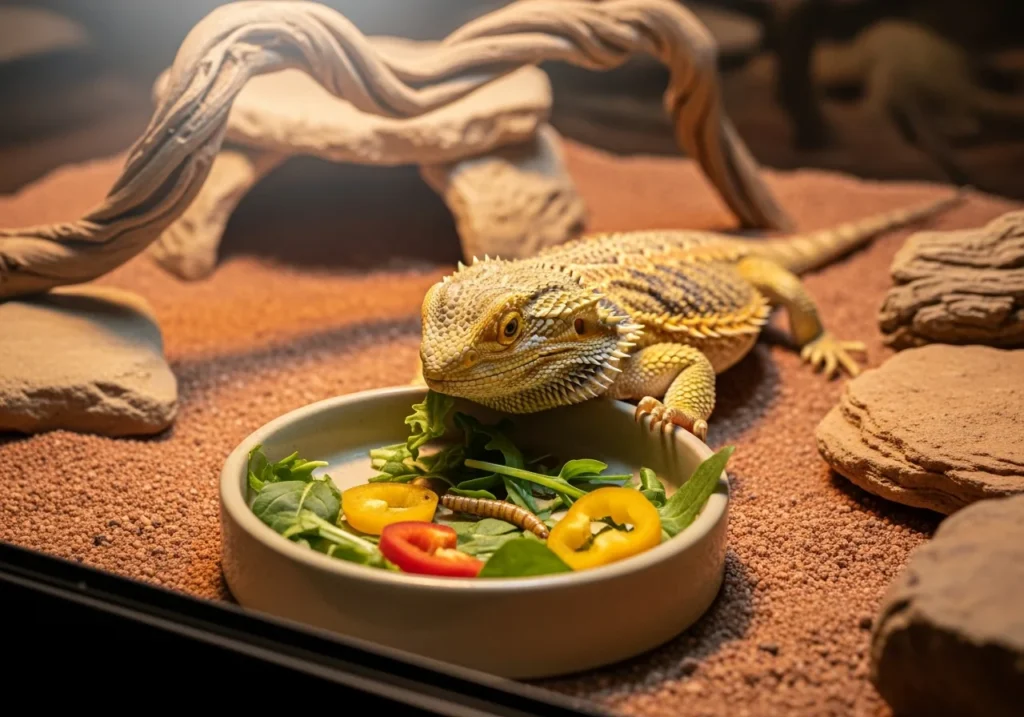
Gut-loaded, calcium-dusted feeder insects remain the gold standard for most insectivorous reptiles, supplemented with fresh greens for omnivorous species.
| Food | Best For |
|---|---|
| Dubia Roaches | Insectivores — high nutrition, easy to gut-load |
| Crickets | Most insectivores, widely available |
| Calcium + D3 Powder | Dusting insects/greens for all species needing supplementation |
| Leafy Greens Mix | Herbivorous/omnivorous species |
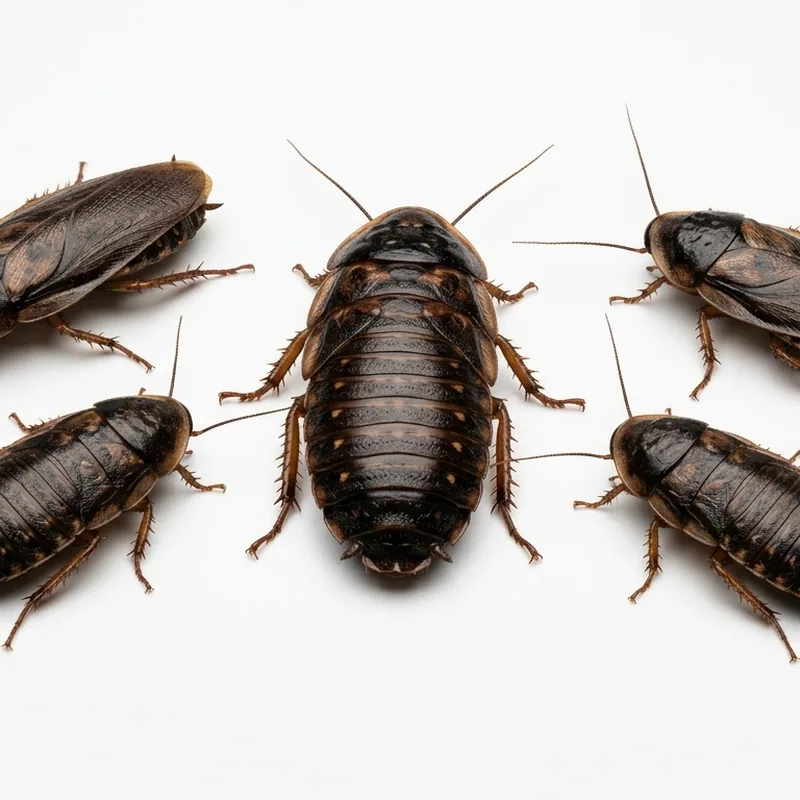
Dubia Roaches
Higher nutritional value and easier to gut-load than crickets, with less odor and noise.
Check Price
Calcium + D3 Dust
A staple for preventing metabolic bone disease in insectivorous and herbivorous reptiles.
Check PriceLive Insects vs. Pre-Killed and Freeze-Dried Options
Most insectivorous reptiles and amphibians instinctively respond to movement, which makes live prey the default choice for species like leopard geckos, bearded dragons, and many frogs. Freeze-dried and canned insects are convenient and shelf-stable, but many reptiles won’t recognize them as food without some encouragement (tong-feeding with slight movement often helps). Live feeders also carry the advantage of gut-loading — feeding the insects a nutrient-rich diet 24-48 hours before offering them to your pet passes those nutrients along, something dried alternatives can’t replicate.
Gut-Loading and Dusting, Explained
Gut-loading means feeding your feeder insects (crickets, dubia roaches, mealworms) a calcium- and nutrient-dense diet before they become a meal — commercial gut-load products or fresh vegetables like collard greens and carrots both work. Dusting is a separate step: lightly coating insects in calcium powder (with D3 for reptiles without adequate UVB exposure) immediately before feeding. Most keepers dust every feeding for growing juveniles and every other feeding for healthy adults, though species-specific calcium needs vary meaningfully.
Produce and Greens for Omnivorous and Herbivorous Species
Bearded dragons, many tortoises, and some larger lizards need a substantial plant-matter component. Leafy greens like collard, mustard, and dandelion greens form a good staple base — avoid relying heavily on spinach or kale, which contain compounds that can interfere with calcium absorption if fed too frequently. Fruit should generally stay an occasional treat rather than a staple, since most reptile digestive systems aren’t built for the sugar content wild fruit-eating species evolved around in far smaller quantities than commercial fruit offers.
Feeding Frequency by Life Stage
Juvenile insectivorous reptiles typically need daily feeding to support rapid growth, while adults of the same species often do well on feeding every 1-3 days depending on body condition. Overfeeding adult reptiles is a genuine welfare concern — obesity in captive reptiles is common and shortens lifespan, so resist the urge to feed on the same daily schedule an animal needed as a juvenile once it reaches adult size.
Reading Body Condition, Not Just the Calendar
Tail thickness (in species that store fat there, like leopard geckos and bearded dragons) is a more reliable feeding guide than a fixed schedule — a thin tail suggests underfeeding, while an overly round or sagging tail suggests it’s time to reduce portions or frequency rather than continuing a set routine regardless of the animal’s actual condition.
Common Feeding Mistakes
- Feeding insects larger than the gap between your reptile’s eyes. Oversized feeders are a genuine choking and impaction risk, especially for smaller or younger animals.
- Skipping gut-loading and dusting. Feeder insects alone are nutritionally incomplete for most captive reptiles without this extra step.
- Continuing juvenile feeding frequency into adulthood. This is one of the most common causes of preventable captive-reptile obesity.
- Offering fruit or high-sugar produce as a dietary staple. Most reptile digestive systems handle this poorly in the quantities commercial produce makes easy to over-offer.
The Bottom Line
Match feeder type and produce to your species’ actual dietary needs, gut-load and dust consistently rather than occasionally, and adjust frequency based on your reptile’s body condition as it matures rather than a fixed juvenile-stage schedule. Diet is one of the highest-impact factors in long-term reptile health, and getting the fundamentals right early prevents most of the nutrition-related problems keepers run into down the line.
Amphibian-Specific Feeding Differences
Amphibians like frogs and salamanders have some distinct feeding needs compared to reptiles — many rely more heavily on smaller, more frequent prey items (fruit flies, small crickets, or specialized aquatic invertebrates for aquatic species) and are generally more sensitive to calcium and vitamin deficiencies given their typically faster metabolism and skin-based physiology. Gut-loading and dusting matter just as much for amphibians as for reptiles, and some species need higher feeding frequency given their smaller body size and prey items.
Supplement Storage and Shelf Life
Calcium and vitamin supplements lose potency over time, particularly once exposed to humidity or light — store them in a cool, dry, dark location and replace roughly every 2-3 months even if the container isn’t empty, since a supplement that’s lost potency provides a false sense of adequate nutrition while your reptile is actually under-supplemented. Check for clumping, which is a visible sign that a powder supplement has absorbed moisture and should be replaced.
Hydration Alongside Feeding
Fresh, clean water (species-appropriate — some reptiles drink from standing water, others prefer droplets on leaves from misting) should be available continuously, separate from feeding routine. Species from humid environments often get significant hydration through skin absorption and misting rather than drinking alone, so replicating natural humidity levels matters as much as a water dish for overall hydration status.
Transitioning Between Food Types
Moving a reptile from live insects to a prepared diet, or introducing new produce varieties, often takes patience — offer new foods alongside familiar ones rather than an abrupt full switch, and expect some individual animals to take days or weeks to accept unfamiliar food types. Persistence paired with variety in presentation (different feeding times, slight movement for prepared foods) usually succeeds better than repeatedly offering the exact same rejected item.
Reading Reptile Body Language Around Feeding
A reptile that ignores offered food consistently across several attempts may be signaling a husbandry issue (incorrect temperature preventing proper digestion) rather than simple pickiness — reptiles generally won’t eat if their enclosure temperature isn’t warm enough to support digestion, making this one of the first things to check before assuming a feeding refusal is behavioral.
Adjusting Diet as Reptiles Age
Nutritional needs shift meaningfully from juvenile to adult — many species that eat primarily insects as juveniles (like bearded dragons) shift toward a diet with substantially more plant matter as adults, and continuing a juvenile-heavy insect diet into adulthood can contribute to excess protein intake and associated health issues over time.
Working With a Reptile-Experienced Vet on Diet
If you’re ever uncertain about your specific species’ nutritional needs, especially for less common or more specialized reptiles and amphibians, a consultation with an exotic vet experienced in that species can help fine-tune supplementation and portioning beyond generic care-sheet advice, particularly valuable for breeding animals or those recovering from an illness.
Cost-Effective Feeding Without Cutting Corners
Buying feeder insects in bulk and gut-loading them yourself is generally more cost-effective long-term than buying pre-gut-loaded insects individually, though it requires a small ongoing time investment. Growing your own feeder colony (crickets or dubia roaches) is a common cost-saving step among more established keepers with multiple reptiles.
Seasonal Variety in Produce Availability
Fresh greens quality and variety can shift seasonally depending on your region and grocery availability — having two or three reliable staple greens in rotation, rather than depending on a single variety, protects your feeding routine from seasonal gaps or price spikes in any one product. Frozen vegetable options (thawed before serving) can also fill gaps when fresh variety is limited, though fresh remains the general preference where reliably available.
Recognizing Nutritional Deficiency Signs Early
Calcium deficiency can present as tremors, difficulty moving, or soft/bent bones in severe cases — catching early signs like slight lethargy or reduced appetite before it progresses to these more serious symptoms depends on consistent, correct dusting and gut-loading practiced from the start rather than treating supplementation as optional.
Working Insect Variety Into a Long-Term Feeding Plan
Rotating between a few different feeder insect types — crickets, dubia roaches, mealworms, and black soldier fly larvae depending on species suitability — gives your reptile a broader nutritional profile than relying on a single feeder type indefinitely, since each insect species carries a somewhat different natural balance of protein, fat, and micronutrients. Dubia roaches in particular have become popular among experienced keepers for their favorable protein-to-fat ratio and because they’re quieter and less prone to escaping an enclosure than crickets, though cost and local availability vary by region. Building a rotation across two or three reliable feeder types, rather than defaulting to whichever is cheapest at a given moment, is a practical way to add nutritional variety without dramatically increasing your overall feeding budget or complexity.
Practical Signs Your Supplementation Routine Is Working
Beyond avoiding overt deficiency symptoms, a well-supplemented reptile typically shows steady, appropriate growth for its age, firm and well-formed stool, good muscle tone rather than a soft or weak grip, and a generally alert, responsive demeanor at expected activity times. These positive indicators are worth tracking alongside the absence of negative symptoms, since waiting only for warning signs to appear means you’re confirming a problem rather than confirming that your current routine is genuinely working well. Many experienced keepers find that periodically reviewing these positive indicators, not just watching for red flags, builds a more complete and reassuring picture of whether their feeding and supplementation approach is actually serving their animal well over the long term.
More Reptiles & Amphibians Resources
FAQ
Yes — feeding nutritious food to crickets or roaches 24-48 hours before offering them to your reptile significantly improves their nutritional value.
No — diet varies enormously by species, from strict insectivores to herbivores to omnivores, so food choice always needs to match the specific species.
Very — most feeder insects lack enough calcium on their own, so regular dusting with a calcium/D3 supplement helps prevent metabolic bone disease.
