

Reptile setups need more specialized gear than most pets, but the essentials boil down to a handful of items.
Terrarium
Sized to the adult size of your species, not the juvenile — glass terrariums with front-opening doors are the most common and practical choice. See our terrarium buying guide.
Heat Source
Basking bulbs and ceramic heat emitters create the warm end of your temperature gradient. Always pair with a thermostat to prevent overheating. See our heat lamp buying guide.
UVB Lighting
Required for most diurnal species — replace every 6-12 months per the manufacturer’s guidance, since UV output fades well before the bulb visibly dims.
Thermostat and Thermometer
A digital thermostat prevents heat sources from overheating the enclosure, and a separate thermometer at both the warm and cool ends confirms your gradient is correct.
Terrarium and Enclosure Basics
Glass terrariums with front-opening doors are the most common choice, offering good visibility and reasonably easy access for cleaning and feeding. Screen-top enclosures work well for species needing less humidity retention; solid-top or hybrid designs help tropical species maintain higher humidity. Size for the adult animal from the start where budget allows — many reptiles grow substantially, and a juvenile-sized enclosure often needs replacing within the first year or two.
Heating Equipment
A thermostat is non-negotiable, not optional — it’s the single most important safety purchase in reptile keeping, preventing burns and overheating from an uncontrolled heat source. Under-tank heaters, ceramic heat emitters, and basking bulbs each suit different species and setups; research which heating type matches your specific species’ natural behavior (basking versus belly-heat-seeking, for example) rather than defaulting to whatever’s cheapest or most common.
UVB Lighting
Most diurnal species need UVB lighting to synthesize vitamin D3 and process calcium correctly. UVB bulbs lose effective output over months even while still producing visible light, and need replacing on a schedule (typically every 6-12 months depending on brand and type) regardless of whether the bulb still looks fine. Position UVB bulbs at the correct distance from the basking spot per the manufacturer’s guidance, since effectiveness drops off significantly with distance.
Thermometers and Hygrometers
Independent digital thermometers and hygrometers, placed at both the warm and cool ends of the enclosure, are essential for verifying actual conditions rather than trusting a heat lamp’s built-in dial, which is frequently inaccurate. This is a low-cost purchase that meaningfully reduces the risk of husbandry-related health problems, and it’s worth having at least two thermometers to monitor the temperature gradient properly.
Substrate Choices
Substrate needs vary enormously by species — desert species need dry, low-humidity substrate; tropical species need moisture-retentive options like coconut fiber; some keepers use reptile-safe carpet or paper towel for simplicity and easy cleaning, especially with young or inexperienced setups. Avoid loose “sand” substrates for young or inexperienced keepers of impaction-prone species, since accidentally ingested substrate is a genuine injury risk, particularly for young lizards.
Feeding and Supplement Supplies
Calcium and vitamin D3 supplement powder for dusting feeder insects, appropriately sized feeding tongs or tweezers (safer than fingers for many species, and better for hygiene), and a dedicated gut-loading diet for feeder insects round out the feeding equipment most insectivorous-species keepers need. Herbivorous and omnivorous species need less specialized feeding gear but still benefit from a dedicated, easy-to-clean feeding dish.
Hides and Enrichment
Every reptile enclosure needs at least one hide, ideally one on the warm side and one on the cool side, so the animal can thermoregulate without sacrificing its sense of security. Branches, rocks, and climbing structures add enrichment for species that naturally climb or explore vertically, and a well-furnished enclosure meaningfully reduces stress compared to a bare, minimally decorated one.
Cleaning Supplies
Reptile-safe disinfectant (not general household cleaners, which can leave harmful residue) for periodic deep cleans, a dedicated scoop for spot-cleaning waste, and a separate soaking container for supervised warm soaks (useful for hydration support and stuck-shed cases) round out a basic cleaning kit. Avoid strong-smelling cleaning products near the enclosure even when not actively cleaning it, since fumes can affect sensitive respiratory systems.
Top Gear Picks
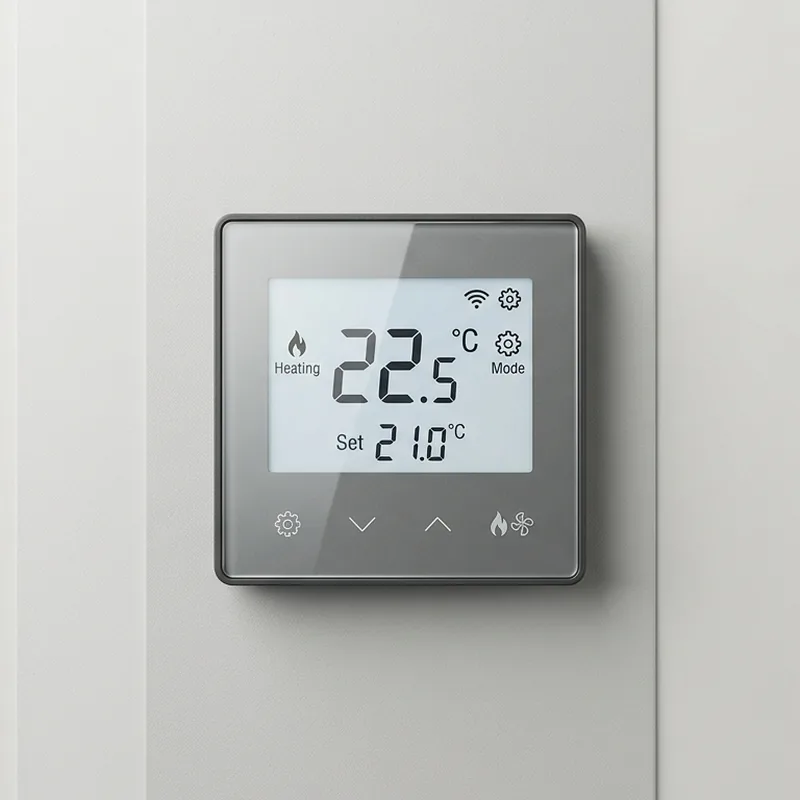
Digital Thermostat
The single most important safety purchase — controls heating equipment to prevent burns and overheating regardless of ambient conditions.
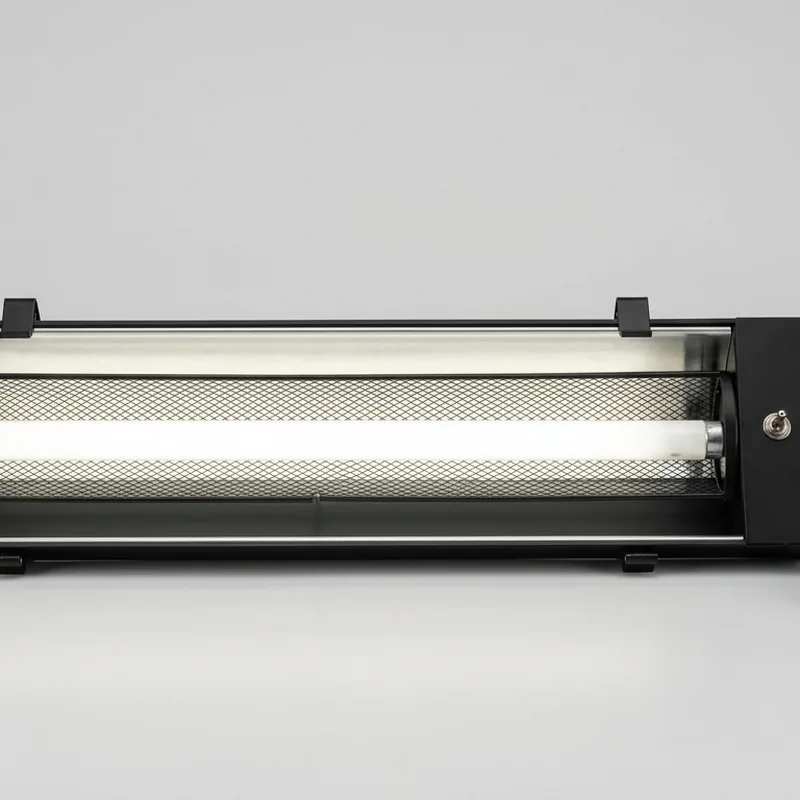
UVB Bulb + Fixture (Species-Appropriate)
Matched to your specific species’ UVB needs, replaced on schedule even before visible failure.
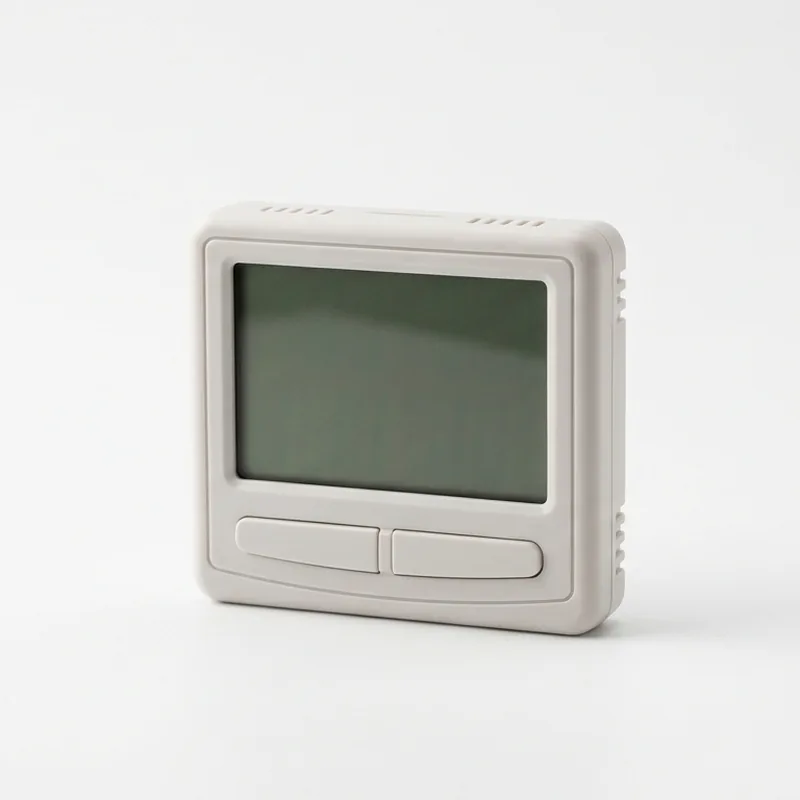
Digital Thermometer/Hygrometer Combo
Verifies actual enclosure conditions independent of built-in equipment dials, which are frequently inaccurate.
Species-Specific Gear Considerations
Aquatic and semi-aquatic turtles need filtration and water-quality equipment closer to aquarium keeping than typical terrestrial reptile setups — a submersible filter and regular water testing are essential, not optional extras. Arboreal species like crested geckos and many tree frogs benefit from taller enclosures with more climbing structure than floor space, the opposite emphasis of a ground-dwelling species like a leopard gecko. Snakes generally need less complex lighting than diurnal lizards but still benefit from a secure, escape-proof lid, which is arguably their single most important piece of species-specific equipment given how determined many snakes are about finding gaps.
Budgeting for Reptile Gear
The initial enclosure and equipment setup is almost always the single biggest expense in reptile keeping, frequently exceeding the cost of the animal itself for common beginner species. Ongoing costs include UVB bulb replacement on schedule, electricity for consistent heating and lighting (which often runs continuously), and feeder insects or produce depending on diet type. Budget for these ongoing costs realistically before committing, not just the one-time setup expense.
Avoiding Common Gear Mistakes
- Skipping the thermostat to save money. This remains the most common cause of preventable burns and heat-related deaths in captive reptiles.
- Trusting a heat lamp’s built-in dial instead of an independent thermometer. Built-in gauges are frequently inaccurate by several degrees.
- Buying a “reptile starter kit” without verifying it matches your specific species’ actual needs. Generic kits often compromise on UVB quality or enclosure size.
- Not budgeting for UVB bulb replacement. A bulb that still produces visible light can be nutritionally useless after months of reduced UVB output.
- Underestimating adult enclosure size when buying for a juvenile. Many species grow substantially and outgrow starter setups within the first year.
Upgrading Gear Over Time
As your reptile grows or as you gain experience, expect to upgrade certain equipment — a larger enclosure for a growing juvenile, a stronger UVB fixture if you notice signs of inadequate calcium processing, or improved humidity control if you find maintaining levels consistently challenging with basic equipment. Treat initial setup as a solid starting point rather than a permanently fixed configuration, and stay attentive to whether your current gear is genuinely meeting your specific animal’s needs as circumstances change.
Where to Buy Reptile Gear
Specialty reptile stores and online retailers focused specifically on reptile keeping tend to carry more accurately labeled, species-appropriate gear than general pet store chains, where reptile sections are sometimes a smaller, less carefully curated part of the inventory. Reading recent reviews specifically from other reptile keepers, not just general product ratings, helps verify that gear performs as expected for actual reptile husbandry use rather than just looking good in a listing photo.
The Bottom Line on Reptile Gear
Good reptile gear isn’t about buying every accessory on the shelf — it’s about correctly matching a handful of genuinely essential items (thermostat, appropriate UVB, accurate thermometer/hygrometer, correctly sized enclosure) to your specific species’ documented needs. Get these fundamentals right from the start, budget realistically for ongoing costs like UVB replacement, and treat your setup as something to refine over time as you learn more about your specific animal, rather than a one-time purchase you’ll never revisit.
Secondhand Gear Considerations
Enclosures and larger equipment like heat fixtures are reasonable to buy secondhand if thoroughly cleaned and functionally tested first, offering real cost savings on the biggest-ticket items. Avoid secondhand UVB bulbs specifically, since remaining lifespan and actual output can’t be reliably verified, and this is exactly the kind of hidden-degradation product where buying used undermines the entire point of having it. Buy UVB bulbs new, and verify secondhand thermostats and heating equipment function correctly with an independent thermometer before trusting them with a live animal.
Whatever species you’re setting up for, spend the extra time cross-referencing gear choices against genuine species-specific care sheets rather than generic reptile advice — the differences between a desert species’ needs and a tropical species’ needs are substantial enough that generic gear recommendations can genuinely miss the mark for your specific animal.
A well-equipped enclosure, set up correctly from the start, is one of the best investments you can make toward a long, healthy life for your reptile or amphibian.
Take the time to get it right the first time, and you’ll spend far less on corrections and replacements down the road.
It’s worth the extra research time before you buy anything.
A little extra diligence upfront pays off across your reptile’s entire lifetime with you.
That’s genuinely all there is to it once you understand the fundamentals covered here.
Good luck setting up your enclosure.
More Reptiles & Amphibians Resources
