
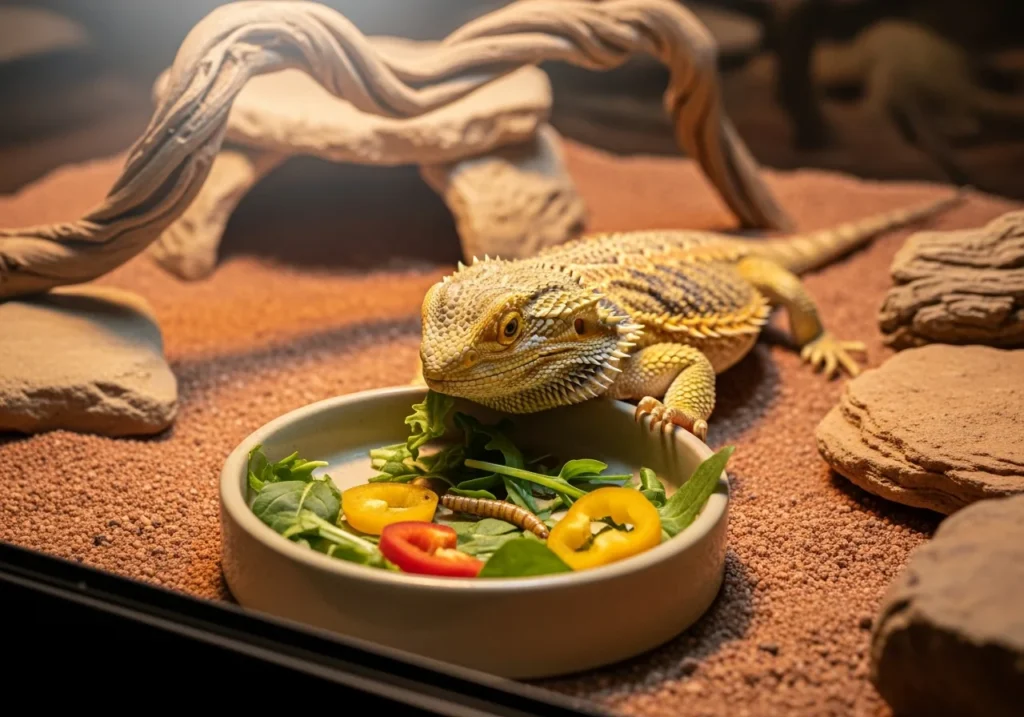
Feeding frequency depends heavily on species — juvenile insectivorous reptiles often eat daily, adult snakes may eat only every 1-2 weeks. Always check the specific care sheet for your species rather than a generic schedule.
Feeding frequency depends heavily on species — juvenile insectivorous reptiles often eat daily, adult snakes may eat only every 1-2 weeks. Always check the specific care sheet for your species rather than a generic schedule.
By Life Stage
Juveniles of most species grow quickly and need more frequent feeding than adults. As reptiles mature, feeding frequency typically drops even as portion size increases.
Watch Body Condition, Not Just a Schedule
A reptile carrying visible fat pads or an overly round body may be overfed; visible hip or spine bones can indicate underfeeding. Adjust frequency based on what you actually observe.
Feeding Frequency Changes Dramatically With Age
Juvenile insectivorous reptiles like leopard geckos and bearded dragons typically need daily feeding to fuel rapid growth, while adults of the same species often do well on feeding every 1-3 days. Continuing juvenile-stage feeding frequency into adulthood is one of the most common causes of preventable obesity in captive reptiles, so adjusting as your pet matures matters as much as getting the initial frequency right.
Portion Sizing Rule of Thumb
A widely used guideline for insectivorous species is offering feeders no larger than the space between your reptile’s eyes — oversized prey items are a genuine choking and impaction risk. For the number of insects per feeding, offer as many as your reptile will eat in about 10-15 minutes, then remove any uneaten live insects (they can stress or even nip at a resting reptile if left in the enclosure).
Snakes Have a Very Different Feeding Rhythm
Unlike insectivorous lizards, most pet snakes eat far less frequently — juveniles might eat every 5-7 days, while adults of many common pet species eat every 1-2 weeks. Prey size should be roughly proportional to the snake’s girth at its widest point, not its length. A visible lump after feeding is normal and temporary; snakes should generally not be handled for 24-48 hours after a meal to avoid regurgitation.
Herbivorous and Omnivorous Species Need Daily Fresh Produce
Tortoises and adult bearded dragons (which shift toward a more plant-heavy diet as they mature) need fresh greens offered daily, with old, wilted produce removed to prevent bacterial growth in the enclosure. Rotate leafy green varieties rather than relying on a single staple every day, both for nutritional variety and to avoid the cumulative effect of compounds in some greens (like oxalates in spinach) that can interfere with calcium absorption if fed too frequently.
Signs You’re Overfeeding
A visibly overweight tail base (in species that store fat there), reduced activity, or fat pads becoming noticeable around the limbs or head all suggest it’s time to reduce portion size or frequency. Obesity in captive reptiles is a genuine, common welfare issue and is generally easier to prevent through portion control than to reverse once established.
Signs You’re Underfeeding
A visibly thin tail, hip bones or spine becoming prominent, or a reptile that seems unusually food-motivated or aggressive at feeding time compared to its normal temperament can indicate underfeeding. Growing juveniles in particular need consistent, adequate nutrition — stunted growth from underfeeding can have lasting effects on adult size and health.
Seasonal and Life-Stage Adjustments
Some species show natural seasonal appetite changes tied to brumation-like behavior even in captivity, particularly with reduced daylight hours in winter — a temporary drop in appetite during these periods isn’t automatically cause for concern if the animal is otherwise active and maintaining reasonable body condition. Breeding females often have substantially increased nutritional needs and may require adjusted feeding during and after egg production.
The Bottom Line
Feeding amount and frequency should track your reptile’s species, age, and individual body condition rather than a single fixed rule — check tail/body condition regularly, adjust as your pet matures from juvenile to adult, and watch for the early signs of both over- and underfeeding rather than waiting for them to become obvious.
Hydration Alongside Feeding Routine
Feeding schedule and hydration access are connected — some reptiles get meaningful water content from prey items, while others need dedicated soaking sessions or misting to stay properly hydrated regardless of feeding frequency. Species from humid, rainforest environments typically need more active hydration support (regular misting, higher ambient humidity) than desert-adapted species that evolved to extract most of their water needs from food and metabolic processes.
Feeding Equipment Worth Having
Feeding tongs reduce the risk of an accidental bite during feeding (some reptiles associate hands with food if consistently hand-fed) and let you offer food at a controlled distance. A dedicated feeding dish for produce-eating species keeps food off substrate, reducing both ingestion of substrate material and bacterial buildup from food left to decay in loose bedding.
Feeding During Travel or Vacation
Many reptile species tolerate short fasting periods (days to over a week for some adult snakes) far better than most mammals, making vacation planning more manageable than owners sometimes assume — but always research your specific species’ fasting tolerance rather than assuming this applies universally, and arrange a reliable pet-sitter briefing for anything beyond a few days regardless.
Feeding Logistics in Multi-Reptile Households
If you keep multiple reptiles, feed in a way that prevents resource competition or accidental cross-feeding of the wrong food type or size to the wrong animal — feeding one enclosure at a time, and never feeding multiple reptiles from a shared dish, avoids both stress and the risk of a reptile ingesting food or a supplement dose intended for a different species.
Recognizing Individual Variation in Appetite
Even within the same species, individual reptiles show real variation in typical appetite and feeding response — some are consistently more food-motivated than others without this indicating a health difference. Learning your specific animal’s normal baseline matters more than comparing it directly to generic species averages found online.
Feeding and Shedding Cycle Interaction
Many reptiles show reduced appetite in the days leading up to a shed, a normal temporary pattern rather than a feeding problem — resuming normal appetite shortly after a completed shed is the expected pattern, and forcing feeding during this window is generally unnecessary and can add stress.
Working Feeding Adjustments Into Weight-Tracking Routine
Pairing your feeding routine with the weighing habit described elsewhere in reptile care lets you directly correlate feeding changes with weight trends over time, turning feeding decisions from guesswork into an evidence-based routine tailored to your specific animal rather than generic species averages alone.
Feeding Consistency Across Caregivers
If more than one household member feeds your reptile, agree on a clear, written feeding schedule and portion guide to avoid accidental overfeeding from well-meaning double-feeding, a surprisingly common issue in multi-person households where feeding responsibility isn’t clearly assigned or communicated.
Adjusting Feeding Around Illness or Recovery
A reptile recovering from illness or veterinary treatment may need temporarily adjusted feeding — sometimes smaller, more frequent meals, sometimes a brief fast depending on the specific condition and your vet’s guidance. Always follow specific veterinary feeding instructions during recovery periods rather than defaulting to normal routine feeding.
How Feeding Response Reflects Overall Enclosure Setup
A reptile’s feeding enthusiasm is often one of the most sensitive early indicators of whether its overall enclosure setup is genuinely correct, since digestion, appetite, and activity are all tightly linked to having appropriate temperature and, for many species, adequate UVB exposure. A consistently poor or inconsistent feeding response, even when the food itself and offering technique seem correct, is worth treating as a prompt to double-check every element of the enclosure setup — thermostat accuracy, bulb age and function, humidity — rather than assuming the issue lies with the food or the animal’s individual preferences alone.
Balancing Convenience and Correctness in Daily Feeding
It’s tempting to simplify feeding routines for convenience, especially across a busy week, but shortcuts like skipping gut-loading, offering the same single food item exclusively for convenience, or estimating portions without periodic reassessment tend to compound into real nutritional gaps over months even if no single skipped step seems significant in isolation. Building genuinely sustainable habits — a feeding routine you can consistently maintain correctly, even if slightly more involved, rather than an idealized routine you’ll inevitably cut corners on — tends to produce better long-term outcomes than aspiring to perfection you can’t realistically sustain.
Using Feeding Time as a Broader Wellness Check
Feeding time naturally brings you close to your reptile and offers a convenient, low-effort opportunity to visually check body condition, alertness, and general appearance at the same time — building the habit of a brief, deliberate look-over during each feeding session integrates health monitoring into your existing routine rather than requiring separate dedicated time you might otherwise skip.
Adjusting Expectations for Naturally Variable Eaters
Some individual reptiles, even within typically food-motivated species, are simply more variable or reserved eaters than others without any underlying health issue — getting to know your specific animal’s normal range of feeding enthusiasm, rather than expecting textbook-consistent behavior every single time, helps you avoid unnecessary worry over what’s actually just normal individual variation.
Trusting the Process as You Gain Experience
Early on, feeding decisions can feel like guesswork requiring constant reference to guides, but with consistent observation and a few months of experience, most keepers develop a genuinely reliable intuitive sense for their specific animal’s needs — trust that this competence builds naturally through practice, and don’t be discouraged if it takes real time to feel confident.
More Reptiles & Amphibians Guides
FAQ
Some can, particularly in captivity where food is easy to access — obesity is a real risk for species like bearded dragons and ball pythons.
Active food-seeking behavior and readily accepting offered food are good signs. Refusing food for one feeding isn't automatically concerning in adult reptiles.
Yes — juveniles of most species need to eat more frequently to support rapid growth, while adults typically shift to less frequent feeding schedules.
