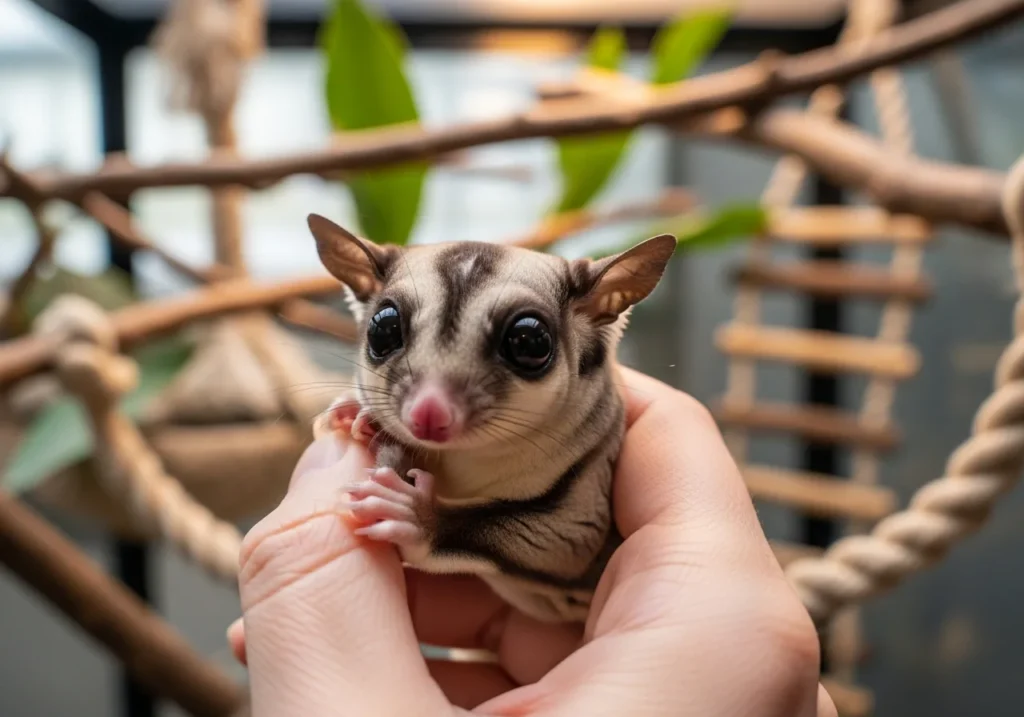
Exotic pets are often exceptionally good at hiding illness — a survival trait from being prey species in the wild that persists even in a safe captive environment. This makes baseline knowledge of your specific pet’s normal behavior essential, since subtle deviations are frequently the only early warning sign.
Husbandry-Related Illness
A large share of exotic pet health problems trace back to husbandry — incorrect temperature, humidity, lighting (especially UVB for many reptiles), or diet — rather than infectious disease. Getting the environmental setup right from day one prevents a large share of the most common health issues in exotic species.
General Warning Signs
- Reduced or stopped eating
- Lethargy or hiding more than usual
- Changes in stool consistency or frequency
- Visible weight loss
- Unusual discharge from eyes, nose, or mouth
Because normal behavior varies so much by species, learning your specific pet’s individual baseline — its usual activity pattern, appetite, and habits — is the best tool for spotting when something’s off.
Finding a Specialist Vet
Not every veterinary practice treats exotic species. Before you need one in an emergency, find and register with an exotic-animal or “avian and exotic” vet in your area, and ask about after-hours emergency options.
Preventive Care
Routine health monitoring — regular weigh-ins, visual checks, and an annual wellness visit if your vet recommends one for the species — catches problems earlier than waiting for obvious symptoms.
See Signs Your Exotic Pet Is Sick for a closer look at specific red-flag symptoms.
FAQ
As prey animals in the wild, many exotic species instinctively mask weakness to avoid attracting predators — a trait that persists in captivity and makes illness harder to spot early.
Search for 'exotic animal vet' or 'avian and exotic vet' near you, or ask exotic-pet-specific online communities or breeders for local recommendations — general vets often can't treat exotic species.
Husbandry-related illness — problems caused by incorrect temperature, humidity, or diet rather than infectious disease — is extremely common and largely preventable with correct setup.
