
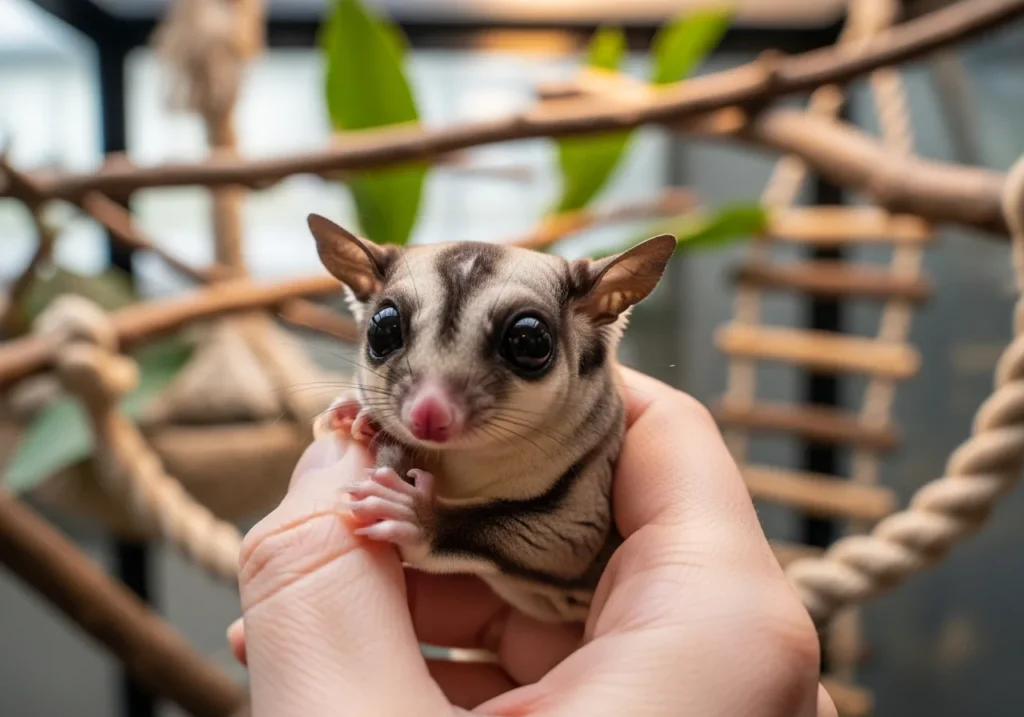
Reduced appetite, lethargy, hiding more than usual, and changes in stool are the clearest early warning signs across most exotic pet species — because exotic animals are skilled at masking illness, any behavior change is worth taking seriously.
Why Exotic Pets Hide Illness
In the wild, showing weakness makes an animal a target for predators — an instinct that many exotic species retain in captivity even though there’s no actual threat. This means visible, obvious symptoms often mean the issue has already progressed, making early attentiveness especially valuable.
General Warning Signs
- Eating less than usual or refusing food entirely
- More time hiding or reduced activity
- Changes in stool frequency, consistency, or color
- Visible weight loss
- Labored breathing or unusual discharge from eyes/nose
Know Your Pet’s Baseline
The single most useful health tool for an exotic pet owner is simply knowing what “normal” looks like for your specific animal — its typical activity pattern, appetite, and habits — so that deviations stand out quickly.
When to Call a Vet
Symptoms that persist beyond a day or two, appear in combination, or involve visible physical changes (weight loss, discharge, labored breathing) warrant a call to an exotic-animal vet rather than waiting.
See our full Exotic Pets Health & Wellness Guide for routine preventive care.
Why Early Detection Is Especially Hard
Small prey-instinct species mask illness effectively as a survival strategy, meaning by the time symptoms are obvious, a condition may already be advanced. This makes regular, proactive observation — not waiting for obvious distress — especially important with exotic pets compared to more expressive animals.
Weight Loss as an Early Warning Sign
Because visual symptoms often lag behind actual physiological decline, regular weighing (weekly for most small exotics) is one of the most reliable early illness indicators available to owners, often catching problems before behavioral or visible signs appear at all.
Behavioral Changes Worth Taking Seriously
Reduced activity, appetite changes, altered droppings, unusual hiding, or changes in typical vocalization (for species that vocalize) are all worth noting and monitoring closely. A single off day is less concerning than a pattern persisting more than 24-48 hours.
When to Seek Emergency Exotic Vet Care
Labored breathing, seizures, inability to move normally, or a sudden refusal to eat for more than a day in a small-bodied species (which have less metabolic reserve than larger animals) all warrant urgent care. Small exotic pets can decline quickly due to their size, making “wait and see” a riskier default than with larger pets.
Species-Specific Warning Signs Worth Learning
Beyond general illness signs, learn the specific red flags for your exact species — labored “clicking” breathing in some species signals respiratory infection, while excessive scratching might indicate parasites in others. General exotic pet guides are a starting point, but species-specific resources fill in details generic advice misses.
The Value of Knowing Your Pet’s Individual Normal
Spend time in the first weeks of ownership simply observing normal behavior, appetite, and activity patterns for your specific animal — this baseline makes it dramatically easier to recognize a genuine deviation later, since “normal” varies even within a species from individual to individual.
The Role of Environmental Checks When Illness Is Suspected
When a pet seems unwell, check enclosure temperature and humidity readings alongside physical symptoms — sometimes what looks like illness is actually an environmental issue (a failed heat source, for instance) that’s a more immediate fix than a vet visit, though ongoing symptoms after correcting environment still warrant veterinary attention.
Preparing for a Vet Visit With a Sick Exotic Pet
Bring a note of recent diet, any environmental changes, and a clear timeline of symptoms to your exotic vet visit — this context genuinely speeds up diagnosis for species where standard exam findings alone may not tell the whole story.
Final Reminder on Trusting Your Observations
You know your pet’s normal better than any guide can describe generically. When something feels off, even if you can’t articulate exactly what, that instinct built from consistent daily observation deserves trust — a call to your exotic vet costs little and can catch problems while they’re still easily treatable.
Why Exotic Pets Present Illness Differently Than Cats and Dogs
Prey species instinct runs deep in most small exotic pets — in the wild, an animal showing visible weakness becomes an obvious target, so evolution has favored individuals skilled at masking distress until it’s genuinely severe. This same instinct persists in captivity even though the actual survival pressure is gone, meaning owners can’t rely on the kind of obvious, early distress signals a dog might show. This isn’t a flaw in the animal — it’s simply a different signal system that owners need to learn to read more subtly and proactively than they might with a more expressive pet.
Building Genuine Familiarity With Your Individual Animal
Because “normal” varies meaningfully even within a species, the single most valuable tool an owner has is accumulated, attentive familiarity with their specific pet’s baseline — typical activity level at different times of day, usual eating pace and pattern, normal droppings appearance, and general demeanor. This familiarity develops naturally through the same daily observation routine covered elsewhere in this guide, and it’s what allows an experienced owner to notice “something’s different” even before they can articulate exactly what changed.
A More Detailed Look at Physical Warning Signs
Beyond the general signs already covered, watch for: changes in droppings color, consistency, or frequency; discharge from eyes, nose, or mouth; asymmetry or swelling anywhere on the body; changes in coat, skin, or scale texture and shine; altered gait or movement pattern; and changes in typical vocalization for species that vocalize regularly. Any one of these in isolation might be minor, but two or more appearing together, or any single sign persisting more than a day or two, warrants a closer look and likely a vet consultation.
The Practical Value of Acting Early Rather Than Waiting
Because of small body size and correspondingly limited physiological reserve, many exotic species can decline from a manageable early-stage issue to a genuine emergency faster than a larger pet would. This reality argues strongly for a lower threshold for concern and vet consultation than owners might apply with a dog or cat — a phone call to describe symptoms costs little, while a delayed response to a genuinely developing problem can mean the difference between straightforward treatment and a much more serious, costly, and uncertain outcome.
Creating a Reference Sheet for Your Specific Species
Given how much illness presentation varies by species, consider creating a simple personal reference — normal appearance, typical behavior patterns, and known common health issues for your exact species — compiled from vet guidance and reputable species-specific sources. Having this readily available, rather than trying to recall scattered information during a moment of concern, supports faster and more confident assessment when something does seem off.
The Emotional Side of Monitoring for Illness
It’s natural to feel anxious about the possibility of missing something important, especially with species that mask illness effectively. Channel that concern into the concrete, consistent monitoring habits covered throughout this guide rather than either anxious over-checking or avoidant under-checking — both extremes are less effective than a calm, consistent routine built on genuine familiarity with your individual animal.
A Final Reminder
When genuinely unsure whether something warrants a vet call, the safer choice is almost always to make the call. Exotic vets consistently report preferring an unnecessary call over a delayed one for a genuine emergency.
Learning to Differentiate Stress From Illness
Some behaviors that look concerning — hiding, reduced activity, temporary appetite reduction — can reflect situational stress (a recent move, a loud household event, a new enclosure-mate) rather than illness. Consider recent context alongside physical signs, though when genuinely uncertain which explanation fits, treating the situation as potentially health-related and consulting your vet remains the safer default.
Building a Relationship That Supports Fast Communication
An established relationship with your exotic vet, including knowing their preferred way to be reached for urgent but non-emergency questions, removes friction exactly when you need fast, clear communication most. Set this up during a routine visit, not for the first time during a stressful situation.
A Closing Thought
Consistent observation, a low threshold for concern, and a ready relationship with an exotic vet together form the best defense against illness going unnoticed until it’s serious.
Species-Specific Stress Signals Worth Learning
Stress in exotic pets often shows up through subtle, species-specific behaviors rather than the more obvious signs owners expect from a dog or cat, and learning what’s normal versus concerning for your specific species is one of the more valuable things a new owner can do. Reptiles under stress may exhibit glass-surfing (repeatedly scratching at enclosure walls), unusual color darkening beyond normal thermoregulation, or persistent hiding well beyond their typical activity pattern. Birds under stress frequently over-preen to the point of visible feather damage, vocalize excessively, or develop repetitive behaviors like pacing along a perch.
Small exotic mammals often show stress through changes to their normal activity rhythm — a typically active animal becoming persistently withdrawn, or reduced interest in enrichment items that previously held their attention — and these shifts are easy to miss if you aren’t already familiar with the individual animal’s baseline behavior. Because stress responses are this varied across species, the most useful habit isn’t memorizing a universal checklist but building close familiarity with your own pet’s normal daily pattern early on, so that deviations — whatever form they take for that particular species — stand out clearly rather than being mistaken for normal variation.
More Exotic Pets Guides
FAQ
Many exotic species are prey animals in the wild and instinctively hide weakness to avoid predators — a trait that persists in captivity.
Knowing your specific pet's normal daily behavior well enough to notice small deviations — appetite, activity level, hiding patterns — is more reliable than watching for dramatic symptoms.
For most exotic species, symptoms that persist more than a day or two, or that appear alongside multiple other changes, warrant a vet call rather than a wait-and-see approach.
