
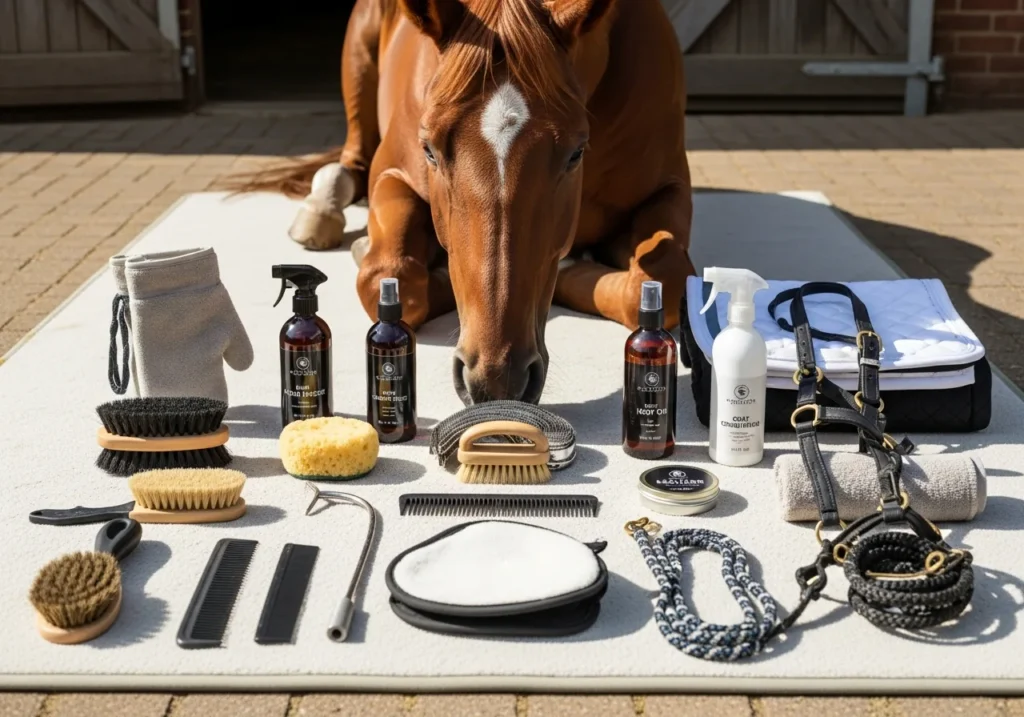
The best horse saddle is the one that fits both horse and rider correctly — a well-fitted mid-range saddle will always outperform an expensive saddle that doesn’t fit, since poor fit is a leading cause of back pain and behavioral resistance.
| Saddle Type | Best For | Key Trait |
|---|---|---|
| Western trail saddle | Trail riding, ranch work | Comfort for long hours, secure seat |
| English all-purpose saddle | Flatwork, light jumping, dressage basics | Balanced, versatile flap design |
| Close-contact jumping saddle | Jumping and eventing | Forward flap, closer rider contact |
| Used/consignment saddle | Budget-conscious first-time buyers | Lower cost, needs fit verification |
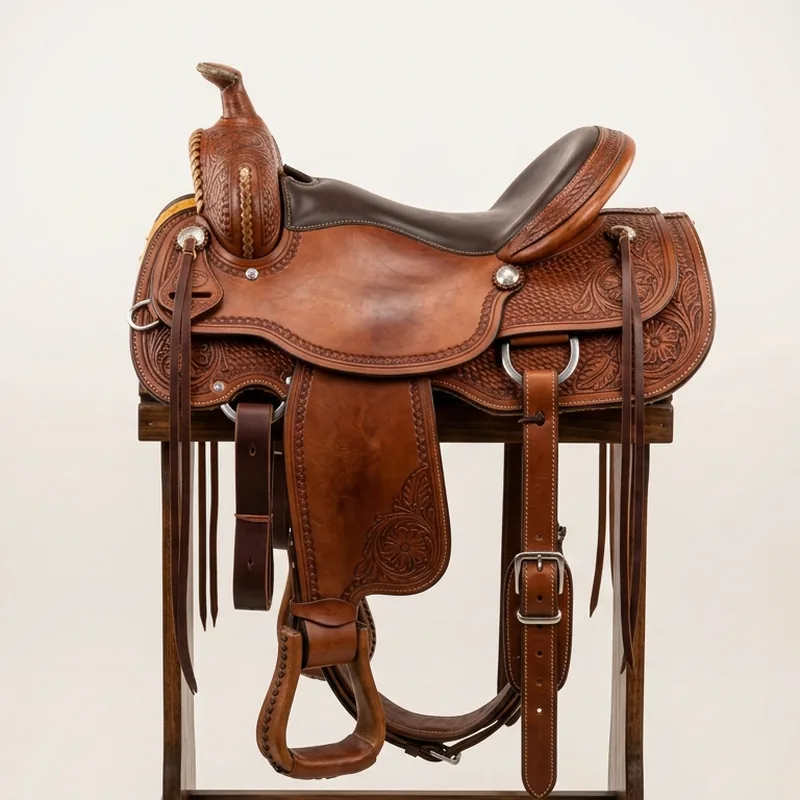
Western Trail Saddle
Built for long hours in the saddle with a comfortable, secure seat — a solid all-around choice for trail and ranch riding.
Check Price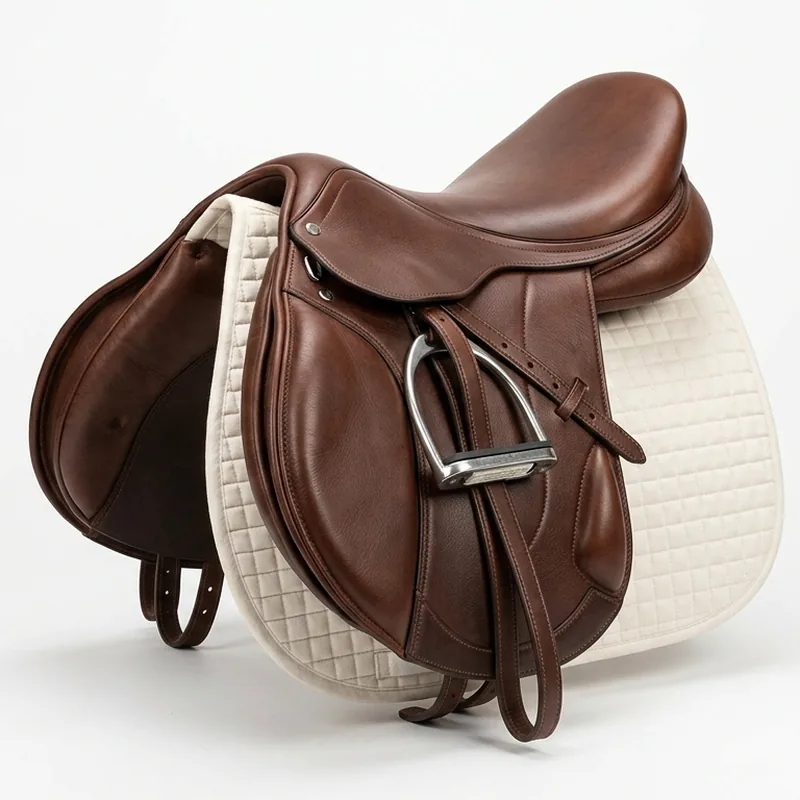
English All-Purpose Saddle
Versatile enough for flatwork and light jumping, a practical choice for riders who don’t specialize in one discipline yet.
Check Price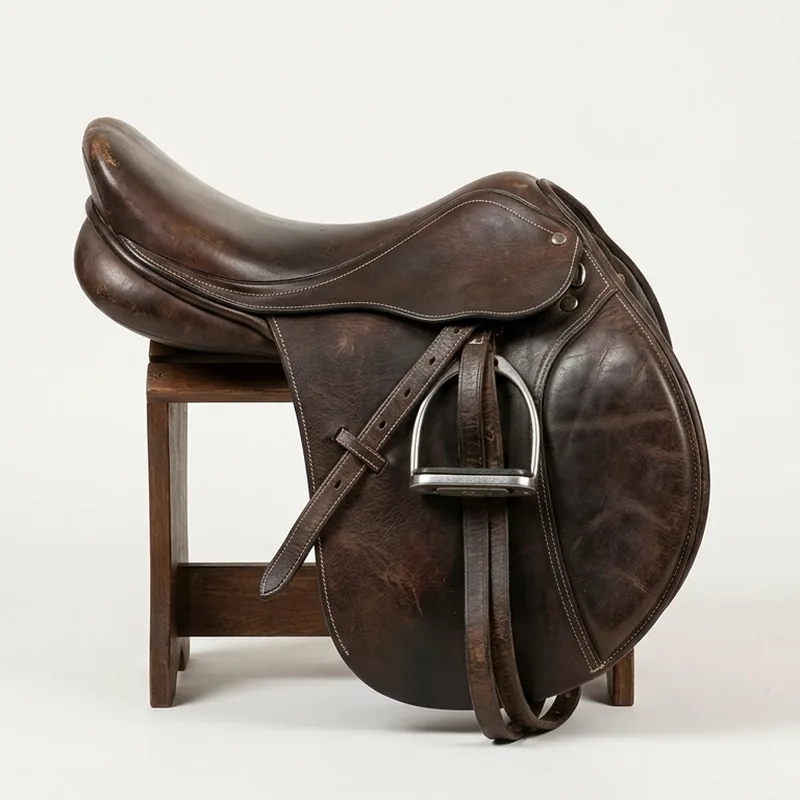
Certified Used Saddle (Fit-Checked)
A budget-friendly route when paired with a professional fit check — often the best value for a first saddle.
Check PriceWhy Fit Beats Brand
A saddle that pinches at the withers or bridges (doesn’t make even contact along the horse’s back) can cause real pain and long-term issues, often showing up as behavioral resistance rather than an obvious injury. A saddle fitter’s assessment, ideally in person, is worth the cost before committing to any saddle, new or used.
Western vs. English — Start With Your Discipline
Saddle choice should follow riding discipline, not the other way around. Western saddles distribute rider weight over a larger area and are built for long hours, ranch work, and trail riding. English saddles are lighter and allow closer leg contact, suited to dressage, jumping, and general English pleasure riding. Trying to force one saddle type into the wrong discipline usually creates more problems than it solves.
Fit Is Non-Negotiable
A saddle must fit both horse and rider — tree width needs to match the horse’s back shape (narrow, medium, or wide), and seat size needs to match rider build and preference. An ill-fitting saddle is one of the most common, under-diagnosed causes of behavioral issues under saddle: bucking, refusing to move forward, or sudden girthiness often trace back to saddle pain rather than a training problem. A professional saddle fitting, especially for a new horse-and-saddle pairing, is worth the cost.
New vs. Used
A quality used saddle in good condition is often a smarter buy than a cheap new one — leather that’s been properly cared for holds up well, and used saddles from reputable brands retain resale value. Inspect stitching, tree integrity (an English saddle with a cracked tree is unsafe to ride in), and overall leather condition before buying secondhand.
Care and Longevity
Regular cleaning and conditioning with appropriate leather care products keeps a saddle usable for decades. Store it on a proper saddle rack, out of direct sun and damp conditions, which both degrade leather over time.
Tree Types and Why They Matter
The saddle “tree” is its internal structural frame, and tree width (narrow, medium, wide, or extra-wide) needs to roughly match your horse’s back shape. A tree that’s too narrow pinches; one too wide sits low and can rub the spine. “Treeless” saddles exist and work well for some horse-and-rider combinations but aren’t automatically the safer or more comfortable default — proper fit matters more than tree presence or absence.
Synthetic vs. Leather
Synthetic saddles are lighter, more weather-resistant, easier to clean, and generally more affordable — a reasonable choice for trail riding or a budget-conscious new owner. Leather saddles, properly cared for, last decades and often hold value better, but require more maintenance (regular cleaning and conditioning) to avoid cracking and drying out.
Seat Size for the Rider
An undersized seat crowds the rider and affects position; an oversized seat lets the rider slide around, undermining balance and security. Sitting in several saddles in person, if at all possible, beats guessing from measurements alone — comfort varies by saddle brand and style even at the “same” nominal seat size.
Reassessing Fit Over Time
A horse’s back shape changes with fitness level, age, and weight — a saddle that fit well a year ago may not fit today. Periodic fit checks, especially after any significant change in a horse’s condition or workload, catch fit problems before they cause soreness or behavioral issues.
Specialty Saddles Worth Knowing About
Endurance saddles prioritize rider comfort over very long distances. Barrel saddles are built for a specific competitive discipline with a distinct tree shape. Dressage saddles have a straighter flap to support a specific leg position. Buying discipline-specific when you have a specific competitive goal, rather than a generic all-purpose saddle, genuinely improves both comfort and performance.
Budgeting for Saddle Fitting Services
A professional fitting session, and periodic re-checks as your horse’s condition changes, is a genuinely worthwhile ongoing cost — not a one-time expense you can skip after the initial purchase. Many fitters also offer flocking adjustments (re-shaping the saddle’s padding) rather than requiring a whole new saddle when fit shifts slightly over time.
Half Pads and Fit Adjustments
A half pad can fine-tune fit between saddle fittings — adding a bit of lift or cushioning — but it’s a minor adjustment tool, not a fix for a genuinely poor saddle fit. Relying on padding to compensate for an incorrect tree width is a common mistake that masks a problem rather than solving it, and can create new pressure points instead.
Working With a Fitter Long-Term
Many saddle fitters offer ongoing service relationships — periodic rechecks, re-flocking, and adjustments as your horse’s condition changes through the seasons or with fitness changes. Building this relationship, rather than treating fitting as a one-time event, keeps a saddle performing well for its full working life.
Building a Long-Term Relationship With One Saddle
A well-chosen, well-fitted saddle can serve a horse and rider for many years, sometimes decades with proper care, making the upfront investment in getting fit right worthwhile rather than a place to cut corners. Reselling a well-maintained quality saddle later, if your needs change, is also far easier than reselling a poorly fitted budget option that never worked well to begin with.
What to Do If You Inherit or Are Gifted a Saddle
A hand-me-down or gifted saddle should still go through the same fit evaluation as a purchase — a saddle that fit a previous horse perfectly may be entirely wrong for yours. Treat any saddle new to your specific horse as needing a fit check, regardless of how it was acquired or what it cost.
Understanding Saddle Pads as Part of the Fit System
A saddle pad isn’t just cosmetic — the right thickness and material genuinely affects how a saddle sits and distributes pressure. Wool-flocked pads offer natural moisture wicking; foam pads provide more uniform cushioning. Using the wrong pad can undo an otherwise good saddle fit, so pad selection deserves the same attention as the saddle itself, not an afterthought purchase.
Renting or Borrowing Before Buying
Some tack shops and fitters offer trial periods or rental saddles specifically so you can test fit and comfort over several rides before committing to a purchase — genuinely worth pursuing for an expensive item like a saddle rather than buying based on a single fitting session or online photos alone.
Signs Your Current Saddle No Longer Fits
New behavioral resistance under saddle, visible dry patches after a sweaty ride (indicating uneven pressure), or a horse that’s become increasingly difficult to catch or tack up are all worth investigating as potential saddle fit issues, especially if they developed gradually rather than being present from day one.
The Role of Stirrup Leathers and Irons
Stirrup leathers and irons are often overlooked but directly affect rider safety and comfort — leathers stretch over time and should be checked for wear, and iron size should allow a boot to move freely without risk of getting caught, a genuine safety concern in a fall. Don’t treat these as an afterthought to the saddle purchase.
Girths Deserve as Much Attention as the Saddle
A poorly fitted or low-quality girth can cause discomfort and behavioral issues independent of how well the saddle itself fits — girth galls, pinching, and general girthiness are common, fixable issues once proper girth fit and material are addressed.
A Closing Thought on Investment
A saddle is one of the few pieces of horse equipment that, chosen and fitted correctly, can outlast the horse it was bought for and transfer to future horses with a refitting. Treat the selection process with the patience that long-term value deserves.
Final Fit Verification
After purchase, watch your horse’s first several rides in the new saddle closely for any behavioral changes suggesting discomfort, and don’t hesitate to involve your fitter again if something seems off — fit isn’t always obvious immediately.
Getting a Professional Saddle Fit Check
Even a well-chosen saddle benefits from a professional fitter’s assessment, since correct fit depends on your specific horse’s back shape, not just general size guidelines, and a horse’s back shape can change over time with fitness level and age — a saddle that fit well a year ago isn’t guaranteed to still fit correctly today without periodic reassessment.
More Horses Resources
FAQ
A professional saddle fitter's assessment is the most reliable way, though signs of poor fit include pinching at the withers, uneven sweat patterns after riding, and behavioral resistance during tacking up or riding.
Often yes, especially for a first saddle, as long as the tree (internal frame) is undamaged and fit is verified — used saddles are a practical way to manage cost.
This depends on your riding discipline more than the horse — Western saddles suit ranch work and western disciplines, English saddles suit dressage, jumping, and related disciplines.
