
Exotic pet species range from relatively low-maintenance to genuinely demanding, and the difference often isn’t obvious from a pet store display. Here’s a general breakdown to help calibrate expectations before choosing a species.
Generally More Manageable
Certain hedgehog species and some gecko species (like leopard geckos) are frequently recommended as more approachable exotic pets, with relatively well-documented care requirements and generally solitary, lower-maintenance social needs. That doesn’t mean “no research required” — it means the research is more established and predictable.
Moderate Commitment
Chinchillas and certain other small exotic mammals fall into a middle ground — specific dietary and environmental needs (chinchillas, for example, need dust baths and are sensitive to heat) but manageable with consistent routine.
More Demanding
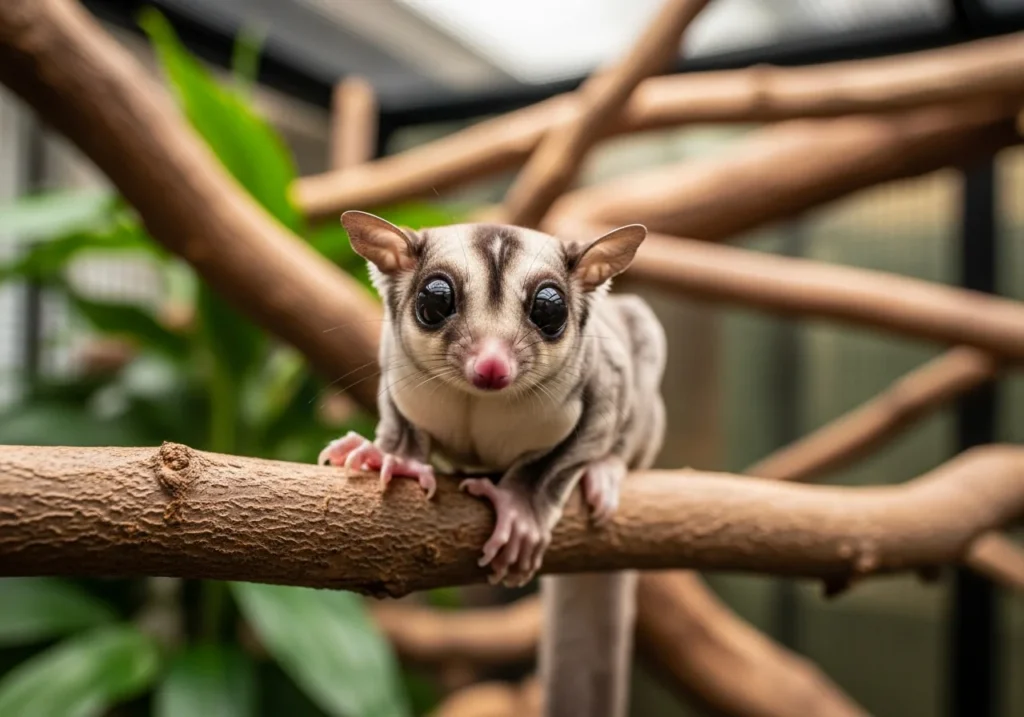
Sugar gliders are a commonly cited example of a species that looks appealing but has genuinely demanding needs — they’re highly social, need companionship (ideally another glider), a carefully balanced diet, and can develop real stress behaviors if under-stimulated. Certain larger or more specialized reptile and bird species also fall into this category.
How to Evaluate Before Committing
Research three things before choosing a species: documented lifespan (some exotic pets live far longer than people expect), specific housing/temperature/humidity requirements, and whether local exotic vets treat the species. If any of these raise red flags, it’s worth reconsidering before bringing the animal home.
See our Best Exotic Pets for Beginners guide for species specifically suited to first-time exotic pet owners.
Sugar Gliders
Small, nocturnal marsupials native to Australia and New Guinea, sugar gliders are highly social, intelligent, and bond strongly with consistent handlers — but they’re also loud (a distinctive “crabbing” bark when stressed), need same-species companionship for genuine welfare in most cases, and are illegal to own in several US states. They’re a significant time commitment, not a low-maintenance exotic option despite sometimes being marketed that way.
Hedgehogs
African pygmy hedgehogs are the common pet variety, generally solitary, nocturnal, and reasonably low-maintenance once their specific temperature needs (they’re sensitive to cold and can attempt hibernation if too cool, which is dangerous for a captive pet) are met. Individual temperament varies significantly — some hedgehogs uncurl and explore readily with new owners, others stay defensively curled much longer, and this isn’t always predictable before purchase.
Chinchillas
Native to the Andes, chinchillas need cool temperatures (they overheat easily above roughly 75°F), dust baths rather than water baths for coat care, and a diet high in fiber via quality hay. They’re social, generally long-lived (10-20 years), and can be nippy or standoffish if not handled with patience and consistency from a young age.
Degus
Highly social, diurnal (active during the day, unlike many exotic small pets) rodents from Chile, degus are intelligent and genuinely benefit from same-species company and mental enrichment. They’re prone to diabetes if fed sugary foods, making diet discipline especially important for this species specifically.
Ferrets
Domesticated for far longer than most other exotic pets, ferrets are playful, social carnivores needing a meat-based diet, plenty of supervised exercise time outside the cage, and ferret-proofed spaces (they’re notorious for squeezing into small gaps and chewing rubber/foam, which can cause dangerous intestinal blockages).
Choosing Based on Realistic Lifestyle Fit
Nocturnal species like sugar gliders and hedgehogs are most active exactly when many households are winding down for the night — a genuine consideration for owners hoping for daytime interaction. Matching a species’ natural activity pattern and social needs to your actual daily schedule, not just its appearance or novelty, leads to a far better long-term fit for both owner and animal.
Understanding “Morphs” and Color Variations
Selective breeding for color and pattern variations (“morphs”) is common in the exotic pet trade for several species. While often visually striking, some morphs are linked to health issues from the specific genetics involved — research whether a particular color variation in your chosen species carries any known health considerations before selecting based on appearance alone.
Considering Rescue and Rehoming Options
Exotic pet rescues and rehoming networks exist for many species, often because original owners underestimated care requirements. Adopting an already-established animal from a knowledgeable rescue can be a genuinely good option, sometimes coming with more accurate behavioral information than a young animal from a breeder or store.
Researching Beyond Common Pet Store Information
Pet store staff, however well-meaning, don’t always have deep species-specific expertise for less common exotic pets. Species-specific books, established breed or species organizations, and exotic vets are more reliable sources for nuanced care information than general retail advice.
Understanding Wild-Caught vs. Captive-Bred
Captive-bred animals are generally preferable for both conservation reasons and typically calmer temperament, since they’re accustomed to human presence from birth. Always ask about an animal’s origin, and be wary of unusually low prices or vague sourcing answers, which can sometimes indicate wild-caught or illegally sourced animals.
Making Your Final Choice
After narrowing options by legality, vet access, and lifestyle fit, let temperament research and, where possible, direct time with the actual species guide your final decision more than appearance or online popularity. The species that fits your real life will bring far more long-term satisfaction than the one that simply looked most appealing in photos.
Researching Lesser-Known Species Responsibly
Beyond the commonly discussed species, the exotic pet world includes many less mainstream options — various reptile species sometimes grouped loosely under “exotic,” certain bird species, and more unusual small mammals. For any less common species, the research burden on the owner increases significantly, since less accumulated community knowledge and fewer experienced local vets typically exist. If you’re drawn to a genuinely unusual species, budget substantially more time for research and expect a steeper learning curve with less readily available support than for more established exotic pets.
How Species Popularity Affects Practical Ownership
More commonly kept species benefit from a larger community of experienced owners, more readily available specialized products, and generally better local vet familiarity — practical advantages worth weighing alongside the appeal of owning something less common. This doesn’t mean avoiding less popular species entirely, but going in with clear eyes about the reduced support infrastructure you’ll be working with compared to a more established exotic pet choice.
Weighing Temperament Against Practical Care Needs
It’s tempting to choose a species based primarily on how interactive or personable it seems, but temperament is only one factor among several that should inform your choice. A wonderfully personable species with genuinely demanding environmental or dietary needs may still be a poor fit if you can’t reliably meet those needs, while a less overtly interactive but easier-to-care-for species might ultimately provide a more sustainable, positive ownership experience. Weigh the full picture, not just the appeal of a particular temperament.
Learning From Species-Specific Rescue Intake Patterns
Exotic pet rescues often see recurring patterns in why specific species end up needing rehoming — commonly, an owner underestimated lifespan, social needs, or specialized care requirements. Researching what commonly goes wrong with a species you’re considering, directly through rescue organizations if possible, offers valuable, unfiltered insight beyond what breeders or retailers typically share.
A Final Word on Choosing Well
The right species for you is the one that genuinely fits your researched, honest assessment of your own capacity — not the one that looks most striking in a photo or video. Owners who make this distinction consistently report more sustainable, satisfying long-term relationships with their exotic pets.
How Breeding Practices Affect Long-Term Health
Responsible breeding practices — avoiding excessive inbreeding, screening for known genetic issues where testing exists, and prioritizing health alongside desirable traits — genuinely affect the long-term health outlook of many exotic species, just as they do in dogs. Asking a breeder directly about their breeding practices and being willing to walk away from vague or evasive answers protects you from a range of preventable long-term health issues in your future pet.
The Ethics of Sourcing in the Exotic Pet Trade
Beyond legality, consider the ethical sourcing of any exotic pet — captive-bred from a reputable, transparent breeder is generally preferable to unclear origins, both for animal welfare and to avoid inadvertently supporting problematic wildlife trade practices. Reputable sellers are typically open and detailed about origin; reluctance to discuss it clearly is worth treating as a genuine red flag.
Legal Ownership Rules Vary Significantly by State and City
Before acquiring any exotic pet, it’s worth checking local exotic-pet ownership laws specifically, since regulations vary dramatically not just state to state but often city to city within the same state, and enforcement can catch owners off guard years after a purchase that seemed perfectly legal at the time. Some jurisdictions ban entire categories outright — certain venomous species, large constrictors, or specific primates — while others require a permit that involves a facility inspection, a fee, and sometimes a demonstrated care plan before the animal can legally be kept.
The safest approach is checking directly with your state’s department of fish and wildlife (or equivalent agency) and your specific city or county’s animal control ordinances, rather than relying on general internet advice, since laws change and older forum posts are a common source of outdated information. It’s also worth checking homeowners’ association or rental lease restrictions separately from government law — many prohibit exotic pets entirely regardless of what’s legally permitted at the city or state level, and this is a frequent source of forced rehoming that a bit of upfront research easily avoids.
More Exotic Pets Guides
FAQ
Species with well-documented, relatively straightforward care needs — certain hedgehog and gecko species are commonly cited — tend to be more manageable for first-time exotic pet owners than social or highly specialized species.
Not usually recommended for total beginners — they're social animals that need companionship and a specific diet, and can develop stress behaviors if their needs aren't met precisely.
It varies — some need surprisingly little floor space but very specific enclosure conditions, while others (larger reptiles especially) need much more room than owners initially expect.
