
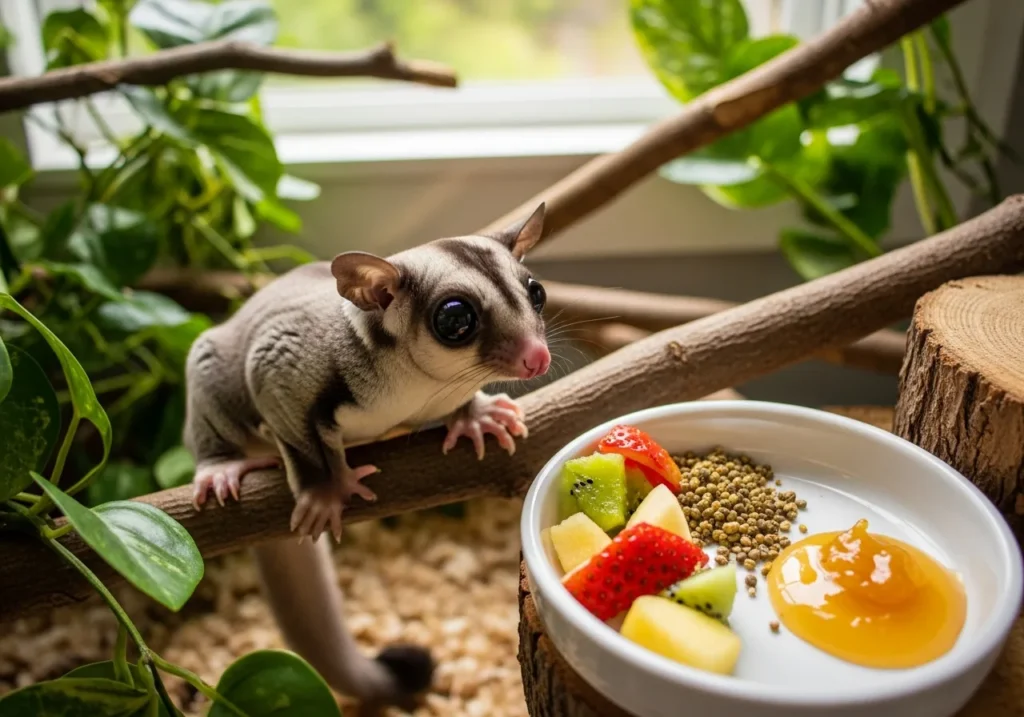
Feeding amounts for exotic pets vary too much by species to generalize — always follow species-specific guidance from an exotic vet or a reputable care resource rather than a one-size-fits-all portion rule.
Why Generic Portion Advice Doesn’t Work
Body size, metabolism, and natural feeding patterns vary so widely across exotic species that a portion guideline for one animal can be wildly wrong for another, even within a broadly similar category. This is one of the areas where species-specific research (or a quick question to an exotic vet) genuinely matters.
General Signs of Correct Feeding
Regardless of species, a few general signs suggest feeding amounts are roughly right: stable, healthy body weight over time, normal activity levels, and consistent appetite without either refusing food or seeming constantly ravenous.
Tracking Weight
For most small exotic species, a small kitchen or gram scale used for regular weigh-ins is one of the most useful tools for catching gradual over- or under-feeding before it becomes a health issue.
When to Ask a Vet
If you’re unsure about portion size or frequency for your specific species — especially for a newly acquired pet — a call to an exotic vet is worth it. Getting this right early prevents both malnutrition and obesity-related health problems down the line.
See our Best Food for Exotic Pets guide for feed-type recommendations by diet category.
Why There’s No Universal Answer
Feeding amounts vary enormously by species, size, age, and activity level — a sugar glider’s diet plan looks nothing like a chinchilla’s. Always start with species-specific guidance from an exotic vet or established species-specific resource rather than a generic “small pet” feeding chart that doesn’t account for real physiological differences.
Portion Control and Obesity Risk
Captive exotic pets are often less active than wild counterparts and have easier access to calorie-dense food, making obesity a genuine, common risk across species. Measured portions on a consistent schedule, rather than free access to unlimited food, help most species maintain healthy weight.
Adjusting for Life Stage
Young, growing animals typically need more frequent feeding and sometimes different nutrient ratios than adults. Senior exotic pets may need adjusted portions as activity naturally decreases with age. Treat feeding as something to reassess periodically, not a fixed amount set once at acquisition.
Monitoring Weight as Your Feedback Loop
A small, accurate digital scale and a regular weighing schedule (weekly is reasonable for most small exotics) gives objective feedback on whether current feeding amounts are appropriate, catching gradual weight drift long before it’s visible to the eye alone.
Signs of Overfeeding to Watch For
Visible weight gain, reduced activity, and food left uneaten and going stale in the enclosure are all signs portions may be too large. Since many exotic species are less active in captivity than in the wild, erring toward measured portions rather than generous free-feeding is usually the safer default.
Signs of Underfeeding to Watch For
Weight loss, increased food-seeking behavior, and in some species visible ribs or spine are signs of underfeeding. Balance requires actually weighing your pet regularly rather than guessing from appearance alone, since coat or fur can mask early weight changes in many small species.
Building Confidence Through Consistency
New owners often worry excessively about getting portions exactly right immediately. In practice, consistent feeding at a reasonable, species-researched starting point, combined with regular weight monitoring and willingness to adjust, produces good outcomes even without perfect precision from day one.
Working Feeding Into a Daily Routine
Attaching feeding times to existing daily habits — feeding when you get home from work, for instance — helps maintain the consistency that matters more than exact timing precision for most species’ digestive health and behavioral stability.
Final Thoughts on Getting Feeding Right
Consistent, species-appropriate feeding with regular weight monitoring will serve your exotic pet well even without perfect precision on day one. Adjust as you learn your individual animal’s needs, and don’t hesitate to loop in an exotic vet if you’re ever genuinely unsure.
Why Generic Feeding Charts Fall Short
Feeding charts printed on commercial food packaging are designed as a broad starting point across a range of individual animals within a species, not a precise prescription for your specific pet. Body size, activity level, metabolic rate, age, and even individual temperament (more active animals burn more energy) all affect actual caloric needs. Treat any printed chart as a reasonable starting estimate to be refined through your own observation, not a fixed rule to follow indefinitely regardless of how your specific animal actually responds.
A Practical Approach to Finding the Right Amount
Start with a conservative, research-based estimate for your species and life stage, then observe closely over the following 2-3 weeks: Is body weight stable, increasing, or decreasing? Is food being finished, left over, or does the animal seem to be begging for more? Use this real feedback to adjust incrementally rather than making large swings — small, consistent adjustments based on actual observed results will get you to an appropriate feeding amount faster and more reliably than guessing from a chart alone.
Accounting for Treats and Supplements in Total Intake
It’s easy to focus feeding calculations on the “main” food while forgetting that treats, supplements, and any fresh food additions all contribute real calories and nutritional impact. If your pet is gaining more weight than expected despite seemingly appropriate main-diet portions, treats are a common and often-overlooked culprit worth reviewing honestly before assuming the base diet itself needs adjustment.
When Feeding Amount Alone Isn’t the Answer
If you’ve adjusted feeding amounts appropriately and body condition still isn’t stabilizing as expected, the issue may not be quantity at all — it could reflect an underlying health issue, an inappropriate food type for the species, or environmental stress affecting appetite and metabolism. Persistent feeding-related concerns despite reasonable adjustment efforts are a legitimate reason to involve your exotic vet rather than continuing to experiment indefinitely on your own.
Adjusting Feeding Through Life Stages
Juvenile animals of most species need more frequent feeding and often different nutrient ratios (typically higher protein for growth) than adults of the same species. As your pet matures, feeding frequency and composition typically need deliberate adjustment rather than simply continuing juvenile feeding patterns indefinitely — research your specific species’ life stage transitions and adjust proactively rather than reactively.
Feeding During Illness or Recovery
A sick or recovering exotic pet may need significantly different feeding — sometimes more frequent, smaller, easily digestible meals, sometimes assisted feeding under veterinary guidance for a genuinely debilitated animal. Never attempt to force normal feeding routines during an active illness without your vet’s specific guidance, since inappropriate feeding during illness can sometimes worsen the underlying problem.
A Final Practical Reminder
Regular weighing remains the single most objective tool available to confirm your feeding approach is working, regardless of how confident you feel about your current plan. Make it a genuine habit, not an occasional check.
Environmental Factors That Affect Appetite
Temperature, humidity, lighting cycle, and even recent enclosure changes can all influence appetite independent of actual feeding amount, meaning a sudden appetite shift doesn’t always point to a feeding-quantity problem specifically. Rule out recent environmental changes as a possible explanation before assuming the issue is purely about how much you’re offering.
Building Confidence Through Small Successes
Getting feeding right for a new species takes time, and small early successes — a stable weight trend over a few weeks, consistent healthy-looking droppings — are worth genuinely acknowledging as progress rather than expecting perfect confidence immediately. This measured, patient approach reflects how most experienced owners actually built their own expertise.
A Closing Thought
Feeding amount is rarely a fixed number — treat it as an ongoing conversation between your observations, your pet’s actual response, and your vet’s guidance rather than a single decision made once and never revisited.
One Last Reminder
When genuinely stuck, a quick message to your exotic vet’s office often resolves feeding uncertainty faster than extended independent research ever could.
Adjusting Feeding for Seasonal and Life-Stage Changes
Feeding needs for most exotic pets aren’t static across the year the way they might assume from a single fixed feeding chart. Reptiles that brumate or experience seasonal slowdowns often reduce or stop eating entirely for weeks at a time as temperatures and daylight hours drop, and force-feeding during this natural period does more harm than good — the correct response is monitoring body weight and hydration rather than pushing food. Growing juveniles of nearly every exotic species need proportionally more frequent feeding than adults of the same species, since their metabolism and growth rate are both higher; a feeding schedule copied from an adult care sheet will under-feed a juvenile significantly.
Breeding season and post-breeding recovery also shift nutritional needs upward for females especially, who draw heavily on body reserves during egg or offspring production and need increased feeding frequency and, in many cases, calcium supplementation during and after this period to avoid depletion. The safest approach across all of these life stages is tracking body weight on a consistent schedule rather than trusting a static feeding amount indefinitely — weight trends tell you far more about whether the current feeding plan is actually working than the calendar does.
More Exotic Pets Guides
FAQ
Weight gain, reduced activity, and leftover uneaten food are common signs — regular weigh-ins help track this over time for most small exotic species.
Often yes — younger, growing animals frequently need more frequent feeding than adults of the same species.
It depends on species — some do fine with constant food access, others are prone to obesity and need scheduled portions. Research your specific species' recommended approach.
