
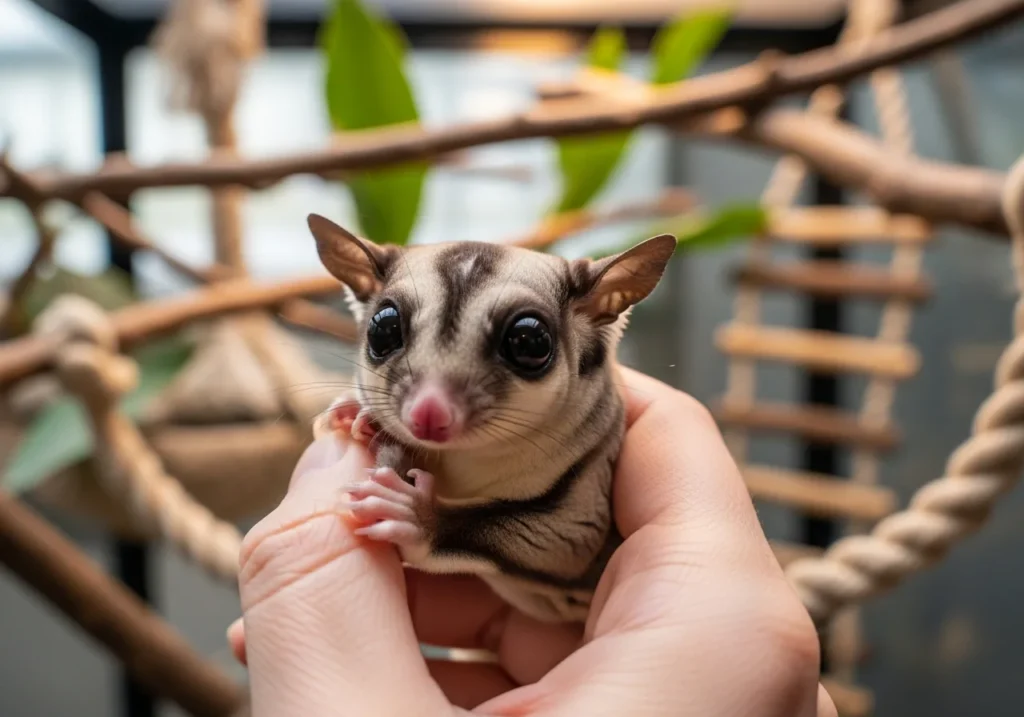
A first-time exotic pet owner’s checklist centers on daily appetite and behavior checks, weekly enclosure temperature/humidity verification, and finding a specialist exotic vet before an emergency happens.
Daily
- Check appetite and confirm normal eating
- Observe activity level against your pet’s normal baseline
- Quick visual check for anything unusual
- Confirm enclosure temperature is in the correct range
Weekly
- Deeper enclosure clean depending on species needs
- Weigh-in if your species benefits from weight tracking
- Check heating/lighting equipment is functioning correctly
Before You Even Bring the Pet Home
- Confirm exotic pet ownership is legal in your area for this species
- Locate and register with a local exotic-animal vet
- Research the species’ specific housing, diet, and lifespan
See Signs Your Exotic Pet Is Sick for the specific red flags this checklist is designed to catch early.
Regular monitoring is the single most important habit for keeping small exotic pets healthy, since most species instinctively hide illness until it’s advanced. This checklist gives you a practical, repeatable routine.
Daily Checks
Watch for normal eating and drinking, check the enclosure for normal-looking droppings, and observe general activity level and behavior during your regular care routine. These few minutes of observation, done consistently, are the foundation of early illness detection for any exotic species.
Weekly Checks
Weigh your pet on an accurate small-animal scale and record the number — weight is often the earliest objective sign of a developing problem, well before visible symptoms appear. Also do a brief hands-on check (where handling is appropriate for your species) feeling for lumps, checking coat or skin condition, and confirming eyes, nose, and ears look normal.
Monthly and Seasonal Checks
Review enclosure temperature and humidity logs if you track them, confirm heat sources and thermostats are functioning correctly, and check that UVB bulbs (for species that need them) haven’t reached their replacement date — UVB output degrades over time even when the bulb still visibly lights up.
Annual Care
An annual wellness exam with an exotic-experienced vet, even for a seemingly healthy animal, establishes baseline bloodwork and vet familiarity with your specific pet — genuinely valuable if an emergency arises later and quick, informed decisions are needed.
Signs That Warrant an Immediate Vet Call
Sudden weight loss, refusal to eat for more than 24 hours (less for very small species with limited metabolic reserve), labored breathing, seizures, or sudden behavioral collapse are all reasons to call an exotic vet the same day rather than waiting to see if things improve.
Why a Checklist Matters More for Exotic Species
Unlike dogs and cats, whose owners generally have access to decades of shared veterinary and behavioral knowledge, exotic pet owners are often working with far less standardized information and, in many cases, a pet that instinctively conceals illness as a survival strategy inherited from its wild ancestors. A structured, repeatable checklist compensates for both of these gaps by turning health monitoring into a habit rather than something you do only when you happen to notice a problem. The goal isn’t paranoia — it’s building the kind of routine familiarity with your specific animal’s normal that makes any deviation obvious quickly, before it becomes serious.
Setting Up Your Monitoring Tools
Before you even bring your exotic pet home, gather the basic tools this checklist assumes: an accurate digital scale sensitive to small weight changes (a kitchen scale that measures in single grams works well for most small species), a notebook or simple app for logging observations, and your exotic vet’s contact information saved somewhere accessible, not just in your phone. Many new owners skip this setup step, then find themselves scrambling to weigh a stressed animal for the first time during an actual health scare, which is far from ideal for either accuracy or the animal’s stress level.
Building the Habit Into Your Existing Routine
Checklists fail most often not because owners don’t care, but because the habit doesn’t get anchored to anything concrete. Attach your daily check to something you already do every day without fail — feeding time is the natural choice for most owners, since you’re already interacting with the enclosure and animal at that point. Weekly weighing can be tied to a specific day, like a Sunday cage-cleaning routine, so it doesn’t require a separate mental reminder. The owners who maintain consistent health monitoring long-term are almost always the ones who built it into an existing habit rather than treating it as a standalone task competing for attention.
What a Genuinely Thorough Weekly Check Includes
Beyond simply weighing your pet, a proper weekly check involves gently examining the coat, skin, or scales for anything new — bald patches, unusual discharge, swelling, or texture changes. Check eyes for clarity and normal appearance, look at the mouth area if your species tolerates it for signs of dental overgrowth or discoloration, and assess overall body condition (not just weight number, but visible muscle tone and fat coverage). For species that tolerate handling well, this is also a good opportunity to simply observe how the animal responds — reluctance to be handled when it’s normally cooperative can itself be an early sign something’s not right.
Adapting the Checklist for Species-Specific Needs
This checklist provides a general framework, but your specific species may have additional considerations worth adding — shedding checks for reptiles, specific coat care for chinchillas, or dental monitoring for species with continuously growing teeth. Treat this as a foundation to build on with species-specific additions from your vet or trusted species-specific resources, not a complete, final list applicable identically to every exotic pet.
Sharing Care Responsibilities Without Losing Consistency
If care is shared among household members, assign clear ownership of specific checklist items to specific people, or use a shared tracking method (a whiteboard, shared app, or posted chart) so nothing falls through the gaps of assumed responsibility. Diffused, unclear responsibility is one of the most common practical reasons consistent monitoring breaks down in households where multiple people are involved in pet care.
A Final Encouragement
This checklist looks like a lot written out in full, but in practice it becomes a quick, almost automatic routine within a few weeks of consistent use. The investment of attention pays for itself many times over in caught problems and peace of mind.
A Sample Weekly Schedule You Can Adapt
Monday: full weigh-in and log update. Wednesday: hands-on body check during regular handling or cage maintenance. Friday: enclosure environmental check (temperature, humidity, equipment function). This kind of simple, spread-out weekly rhythm keeps monitoring consistent without requiring a single overwhelming session, and it’s easy to adapt to whatever days naturally fit your own routine.
Reviewing and Refining Your Checklist Over Time
As you gain experience with your specific animal, you’ll likely find certain checklist items become second nature while others deserve more attention based on your species’ particular risk factors or your individual pet’s history. Revisit and refine your personal checklist periodically rather than treating the initial version as permanently fixed.
A Closing Thought
This checklist becomes second nature faster than it might seem while reading it — most owners report it feels like a natural part of daily care within just a few weeks of consistent practice.
One Last Reminder
Consistency matters more than perfection — a simple routine followed reliably beats an elaborate system followed sporadically, every time.
Health Checks Specific to Newly Acquired Exotic Pets
A new exotic pet — whether it arrived from a breeder, a rescue, or a pet store — needs a more thorough first health pass than an established pet due for its regular check. Quarantine the new arrival away from any other pets for at least 30 days, since many exotic species carry parasites or low-grade infections that show no symptoms for weeks but are highly transmissible to other animals sharing airflow or handling routines. During this period, weigh the animal weekly using a gram scale rather than relying on visual assessment — weight loss is often the very first and only sign of illness in reptiles, amphibians, and small exotic mammals, appearing well before any behavioral change.
Book a vet visit with an exotics-experienced veterinarian within the first two weeks, even if the animal appears completely healthy, and bring a fresh fecal sample — parasite loads that are invisible on casual inspection are extremely common in wild-caught or poorly-quarantined stock and are far easier to treat before they become established. Ask the seller directly for any health records, previous vet visits, or known issues before you commit, and treat vague or evasive answers as a warning sign rather than a formality to skip past.
Adjusting the Checklist as Your Pet Ages
An exotic pet’s care checklist isn’t static across its lifetime — the monitoring priorities that matter most for a young, actively growing animal shift meaningfully once it reaches adulthood, and shift again in its senior years. Juveniles typically need more frequent weighing and closer feeding-response tracking, since rapid growth makes early nutritional problems easier to spot on a weekly cadence than a monthly one, and growth-related issues caught early are far easier to correct.
Senior exotic pets, meanwhile, benefit from adding checks that weren’t necessary earlier — mobility and joint stiffness in reptiles, changes in grip strength or perching behavior in birds, and a generally lower threshold for booking a vet visit over symptoms that might have been watched-and-waited on at a younger age. Revisiting your checklist roughly once a year and asking whether it still reflects your pet’s current life stage, rather than the one it was in when you first wrote it, keeps the routine genuinely useful rather than just a habit running on autopilot.
More Exotic Pets Guides
FAQ
Appetite, activity level, and a quick visual check for anything unusual are the daily basics for almost any exotic species.
Ideally daily for temperature, and regularly for humidity if your species needs it — a cheap digital thermometer/hygrometer combo makes this quick.
Recommendations vary by species — ask your exotic vet whether routine wellness visits are advised for your specific animal.
