
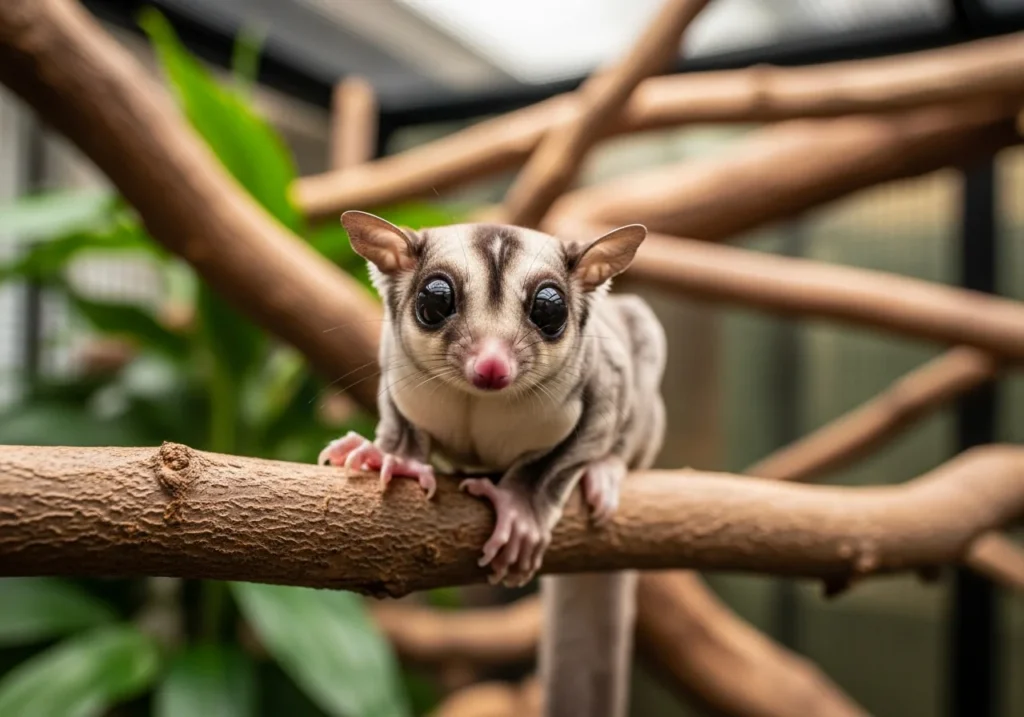
Choosing the right exotic pet means confirming it’s legal in your area, verifying access to a specialist vet, and honestly matching the species’ housing and care demands to how much research and maintenance you’re actually willing to do.
Step 1: Check Legality
Exotic pet regulations vary by state, county, and sometimes city, and they change over time. Check with your local wildlife or agriculture department for current rules before acquiring any exotic species — this is the first filter, before falling in love with a specific animal.
Step 2: Confirm Vet Access
Search for exotic-animal vets in your area before committing. If none exist within a reasonable distance, that’s a significant practical limitation worth weighing seriously.
Step 3: Be Honest About Commitment
Some exotic species need precise, ongoing environmental maintenance — daily temperature checks, specific diets, enrichment. If that level of detail sounds tedious rather than interesting, a lower-maintenance species (or a more mainstream pet) is a better fit.
Step 4: Research Full Adult Size and Lifespan
Some exotic pets significantly outgrow their starter enclosure, and some live far longer than new owners expect. Both affect long-term cost and commitment, so research both before bringing an animal home.
Step 5: Source Responsibly
A reputable breeder or knowledgeable specialty store can provide better species-specific guidance and a healthier animal than an impulse buy. Ask about the animal’s origin, age, and any known health history.
See our Best Exotic Pets for Beginners guide for species that tend to suit a first-time exotic pet owner.
Start With Legal and Practical Research, Not Appearance
Before falling in love with a specific species’ look or novelty, confirm it’s legal in your area, that local exotic vet care is available, and that you can realistically meet its habitat, temperature, and social needs in your actual living situation. These practical filters should narrow your options before appearance or personality even enter the decision.
Match Activity Pattern to Your Schedule
Nocturnal species will be most active exactly when you’re likely asleep — a genuine mismatch for owners hoping for daytime bonding and interaction. Diurnal species like degus fit typical human schedules more naturally. Be honest about what interaction pattern you’re actually hoping for.
Consider the Full Lifespan Commitment
Some exotic species live surprisingly long — chinchillas can live 15-20 years — representing a genuine long-term commitment that outlasts many life circumstances (moves, relationship changes, career shifts). Consider whether you can realistically commit to the full lifespan, not just the exciting first year.
Visit Before You Commit
Spending time with the actual species, ideally the specific individual animal, before committing helps set realistic expectations about handling, temperament, and daily care reality that photos and general descriptions can’t fully convey.
Talking to Current Owners Before You Decide
Reaching out to experienced owners of your target species — through reputable forums, local exotic pet clubs, or your prospective exotic vet — for honest, unfiltered feedback about the realistic daily experience often reveals practical considerations that marketing materials and general care guides don’t cover.
A Simple Decision Framework
Rank your priorities: legal compliance, available local vet care, your schedule’s compatibility with the species’ activity pattern, your living space’s suitability, and your genuine long-term commitment level. A species that scores well across all five is a far safer choice than one you’re drawn to for looks alone.
Considering Multi-Pet Households
If you already have other pets, especially predatory species like cats or dogs, factor in genuine safety planning for a small exotic pet — secure enclosure placement and supervised-only interaction (if any) are essential, since instinctive predatory behavior doesn’t disappear just because a household also contains a small exotic pet.
Revisiting Your Decision Honestly After Research
It’s entirely reasonable, and often wise, to change your mind about a specific species after deeper research reveals a poor fit for your actual situation — this is a sign of responsible consideration, not a failure of commitment, and it’s far better than committing to an animal you later realize you can’t properly care for.
Final Decision-Making Advice
Slow down, research thoroughly, talk to real owners and vets, and choose based on genuine fit rather than impulse or novelty. The most successful, long-term exotic pet relationships almost always start with this kind of deliberate, unhurried decision process.
Starting the Search With Constraints, Not Preferences
The most successful exotic pet searches start by identifying hard constraints — legal restrictions in your area, realistic budget for both setup and ongoing care, available local veterinary support, and genuine space and time availability — before even considering which species appeals to you personally. This constraint-first approach naturally filters out options that would create problems down the line, leaving you to choose among species that are actually viable for your specific situation rather than falling in love with something impractical and trying to force a fit.
Researching Beyond the First Few Search Results
Basic online searches about a species often surface simplified, sometimes outdated, or overly optimistic care information, particularly on pet retail sites with an interest in encouraging purchases. Dig into species-specific forums, established rescue organization care sheets, and if possible direct conversation with an exotic vet or experienced keeper for a more complete and honest picture, including the less appealing realities — odor, noise, specific care burdens — that simplified guides sometimes downplay.
Considering the Full Household Context
Think beyond your own preferences to the full household: Are there existing pets that might pose a safety risk to a small exotic species, or vice versa? Are there household members with allergies or sensitivities that might be relevant? Is everyone in the household genuinely on board with the commitment, or is this primarily one person’s interest that others will end up sharing responsibility for without having chosen it themselves? These considerations matter as much as the species-specific research.
Making Peace With Walking Away
If your research reveals a genuine mismatch between a species you’re drawn to and your actual circumstances, treating that as useful information rather than a disappointment to push through is the more responsible choice, both for your own experience and for the animal’s welfare. There’s no shortage of exotic species available — the right one for your specific situation is out there, and it’s worth continuing the search rather than settling for a poor fit.
The Role of Patience in a Good Match
Rushing an exotic pet decision to satisfy immediate excitement rarely produces the best long-term outcome. Give yourself weeks, ideally longer, to research thoroughly, visit reputable breeders or rescues, and genuinely reflect on whether a specific species fits your real circumstances rather than your aspirational vision of pet ownership. The patience invested upfront consistently pays off in a better-matched, more sustainable ownership experience.
Documenting Your Decision-Making Process
Keeping notes as you research — comparing species against your specific constraints and priorities — helps you make a more objective final decision rather than being swayed by the most recent article you read or the most charismatic animal you happened to see. This kind of structured comparison, even informally, tends to produce better-considered outcomes than decision-making based purely on impression and enthusiasm.
A Final Word
A well-matched exotic pet, chosen carefully and prepared for thoroughly, can be one of the most rewarding animal relationships available. The deliberate process outlined here exists specifically to help you get there.
Revisiting Your Decision Periodically During the Search
As you research deeper into a specific species, periodically step back and re-confirm the choice still feels right against your original constraints and priorities, rather than getting swept up in momentum toward a decision made weeks earlier under different assumptions. Research sometimes reveals new information partway through that genuinely should change your direction.
Preparing Mentally for the Realistic Timeline
A thorough search and preparation process, done properly, often takes longer than initial enthusiasm anticipates. Building this realistic timeline into your expectations from the start prevents the frustration and rushed decision-making that come from an artificially compressed self-imposed deadline.
A Closing Thought
A carefully chosen exotic pet, matched honestly to your real circumstances, can bring years of genuine reward. The deliberate process is worth every bit of the extra time it takes.
One Last Reminder
Legality, vet access, and honest lifestyle fit — check these three before anything else, every time, regardless of how appealing a specific species seems.
Weighing Lifespan and Long-Term Commitment Before Choosing
One of the most underestimated factors in choosing an exotic pet is lifespan — many species commonly sold as pets live dramatically longer than buyers expect, turning what felt like a manageable commitment into a decades-long responsibility that outlasts major life changes like moving, career shifts, or having children. Some tortoise species can live well past 50 years, many parrot species regularly exceed 40-60 years, and even smaller reptiles like ball pythons commonly live 20-30 years in captivity — figures that surprise most first-time exotic pet owners who compare against the much shorter lifespans of common cats and dogs.
Before committing, it’s worth honestly mapping the animal’s expected lifespan against your own life plans over the coming decades, and having a real conversation with family or a designated backup caretaker about what happens to the animal if your circumstances change significantly. This isn’t a hypothetical concern — exotic pet rescues and rehoming networks are disproportionately full of long-lived species surrendered by owners who didn’t fully register the multi-decade commitment at the time of purchase, and planning ahead of that outcome is a genuine part of responsible ownership, not an excessive precaution.
More Exotic Pets Guides
FAQ
Legality — exotic pet ownership rules vary by state and even city, and change over time, so verify current regulations before acquiring any species.
Very — many general vets don't treat exotic species, so confirming a specialist is available nearby before you commit is essential, not optional.
A reputable specialist breeder often provides better species-specific guidance and healthier animals than a general pet store, though good pet stores exist too — ask about the animal's origin and care history either way.
