
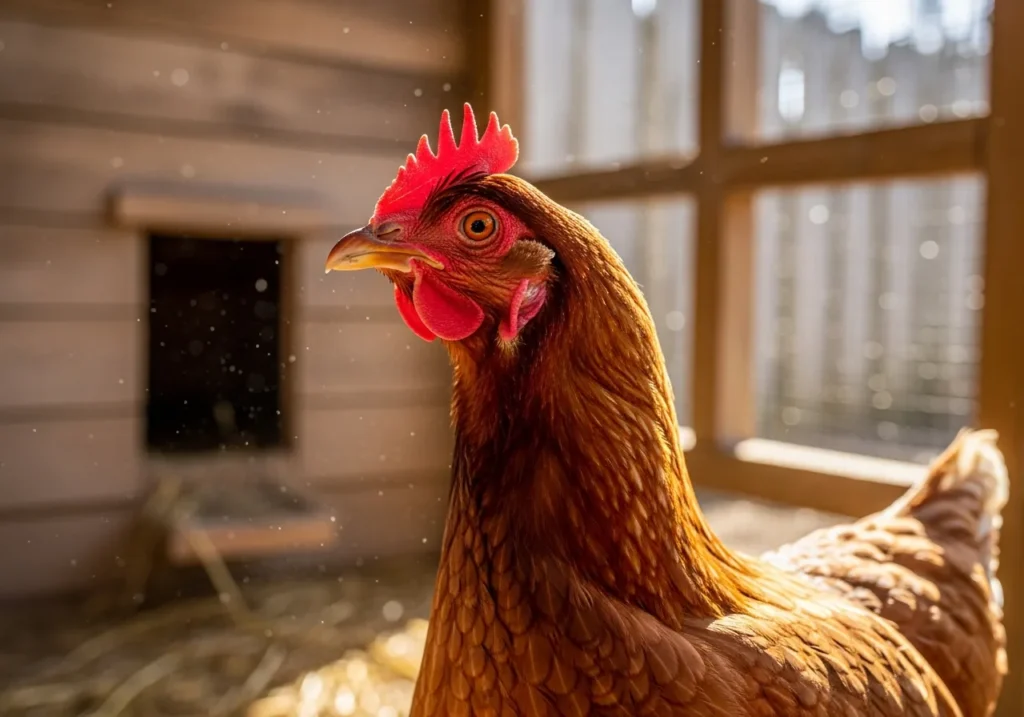
Orpingtons and Australorps are widely recommended for beginners thanks to their calm temperament, cold tolerance, and reliable (if not maximum) egg production, making them forgiving choices for a first flock.
Why Temperament Matters More Than Egg Count for a First Flock
It’s tempting to choose breeds purely for maximum egg output, but a calmer, more easygoing breed makes the learning curve of first-time chicken keeping considerably smoother — easier to handle, less prone to stress-related issues, and generally more forgiving of a beginner’s early mistakes.
Recommended Starter Breeds
Orpingtons are a frequent top recommendation for their calm, friendly nature and good cold tolerance. Australorps combine a docile temperament with strong, reliable egg-laying, making them a well-rounded dual-purpose choice. Both handle beginner mistakes — like inconsistent handling early on — better than more flighty breeds.
Starting Flock Size
Three to four hens is a common, manageable starting point — enough for social company (chickens shouldn’t be kept alone) without being overwhelming to learn on. Most residential zoning also caps flock size, so check local rules before deciding.
Chicks vs. Started Pullets
Day-old chicks require careful brooding — a heat source, careful temperature management, and more vigilance in the first weeks. Started pullets (a few months old) skip this more delicate stage and are often easier for a first-time keeper, though at a higher upfront cost.
See our full Backyard Chicken & Duck Breeds guide for a broader comparison.
Starting Small Is Genuinely the Right Call
New keepers consistently do better starting with a small flock (3-5 birds) rather than jumping straight to a large setup — this lets you learn the genuine rhythm of daily care, troubleshoot coop design issues at a smaller and less costly scale, and expand later once you have real, hands-on experience rather than only theoretical knowledge from reading.
Easy-Keeping Breeds for First-Time Owners
Breeds like Orpingtons, Australorps, and Wyandottes are frequently recommended for beginners thanks to generally calm temperaments, solid cold-hardiness, and reliable (though not extreme) egg production. Avoiding notably flighty or high-strung breeds for your first flock makes daily handling and general management noticeably easier while you’re still building experience and confidence.
Buying Started Pullets vs. Day-Old Chicks
Day-old chicks require specific brooder equipment (heat source, appropriate space, careful temperature management) and roughly 18-20 weeks before laying begins — a genuine learning experience but also a real time investment. Started pullets (young hens close to or just at laying age) skip the brooder stage entirely and let new keepers begin with adult-stage care and faster egg production, often a more manageable entry point for genuinely first-time keepers.
Common First-Flock Mistakes to Avoid
Underestimating predator risk, under-sizing the coop assuming the flock will stay small forever, skipping quarantine when adding new birds later, and not researching local regulations before purchase are among the most common and avoidable mistakes new backyard poultry keepers make. Learning from these commonly reported experiences before your own first flock arrives saves genuine trouble down the line.
What a Realistic First Year Looks Like
Expect a genuine learning curve — first-time keepers commonly deal with at least one predator scare, some trial and error with coop design adjustments, and questions that only come up through actual experience rather than pre-reading. This is normal, not a sign you’ve chosen poorly, and most experienced keepers look back on their first flock’s early mistakes as a valuable, ultimately manageable part of building real expertise.
Connecting With Local Resources Before You Start
Local agricultural extension offices, backyard poultry clubs, and experienced neighbors already keeping flocks are often more valuable resources than generic online guides for region-specific advice on predators, climate adjustments, and locally available supplies. Seek these connections out before your birds arrive, not after your first problem arises.
Realistic Startup Budget for a First Flock
Beyond the birds themselves (inexpensive for chicks, more for started pullets), first-year costs include coop and run construction or purchase, feeders and waterers, bedding, feed, and often unplanned additions like predator-proofing upgrades discovered only after a near-miss. New keepers consistently underestimate the coop as the largest single expense relative to ongoing costs like feed, which is why researching realistic coop pricing before committing to a flock size matters more than most beginner guides emphasize. Budgeting some buffer for unplanned adjustments in that first year — most flocks need at least one design tweak once real-world use reveals what didn’t work as expected on paper — avoids the frustration of feeling like the initial investment wasn’t “enough.”
Checking Local Regulations Before You Buy Anything
Zoning restrictions on flock size, required setback distances from property lines, outright rooster bans in many residential areas, and HOA rules separate from municipal code are all worth confirming before purchasing a single bird or building a coop — discovering a restriction after the fact, when you’re already attached to established birds, is a genuinely difficult position many first-time keepers land in avoidably. A quick call to local zoning or animal control, and a check of any HOA covenant documents if applicable, takes far less time than unwinding a flock you’ve already invested in emotionally and financially.
Where to Source Your First Birds
Local feed stores often carry seasonal chicks from regional hatcheries and are a low-commitment, easy starting point for beginners, though selection is limited to what they’ve stocked. Ordering directly from a hatchery offers far more breed selection and lets you choose exact quantities, but usually requires a shipped minimum order and the stress of day-old chicks traveling by mail. Buying started pullets or adult birds from a local breeder or other keeper skips the chick stage entirely and often comes with the added benefit of being able to ask a genuinely experienced local source real questions specific to your area before committing.
Essential Starter Gear Checklist
Beyond the coop itself, a first-time setup needs: a feeder and waterer sized to your flock (with a heated waterer base a near-necessity in cold climates), appropriate bedding, a heat source and thermometer if starting with day-old chicks, a basic first-aid kit for minor injuries, and secure, predator-proof fencing for any run area. Resist the urge to over-buy specialty gadgets before you have real experience with your specific flock and setup — the fundamentals covered here handle the large majority of first-year needs, and you’ll have a much clearer sense of genuinely useful upgrades after some hands-on months of actual care.
What the First Two Weeks Actually Look Like
Whether starting with chicks or pullets, expect a genuine adjustment period: chicks need very close temperature and behavior monitoring in a brooder, while even started pullets need a settling-in period to establish a new routine and, if joining an existing flock, work through pecking-order establishment. Daily observation matters more in these first two weeks than at almost any later point, since this is when you’re both learning your birds’ normal baseline behavior and when early problems are most likely to surface and are easiest to address before they become established patterns.
Introducing Chickens to Kids and Other Household Pets
Chickens can coexist well with a household that includes children and other pets, but supervised, gradual introductions matter — teach children calm, gentle handling from the start, and introduce dogs to the flock under close control until you’ve genuinely confirmed the dog’s prey drive and reaction are manageable around live birds. Never assume a first interaction is safe simply because it went well once; consistency in supervision during the early weeks of any new pet-to-flock relationship is what actually prevents the rare but serious incidents that do occur.
Realistic Egg-Laying Timeline for New Keepers
Day-old chicks typically don’t begin laying until roughly 18-22 weeks old depending on breed, which surprises some first-time keepers expecting eggs much sooner — started pullets purchased already close to laying age reach this milestone much faster, which is part of why they appeal to beginners eager for a quicker payoff. Even once laying begins, early eggs are often smaller and production may be somewhat irregular for the first few weeks as a young hen’s laying cycle establishes itself, which is entirely normal and not a sign of a problem.
Setting Expectations for Egg Production Realistically
Marketing and breed descriptions often cite peak production numbers that represent a hen’s best possible output under ideal conditions, not necessarily what a typical backyard flock will see consistently across a full year including molt, winter slowdown, and normal individual variation. Going in with realistic expectations — genuinely useful but not maximum-output egg supply, supplemented by the other genuine rewards of keeping a backyard flock — sets first-time keepers up for a more satisfying long-term experience than chasing numbers pulled from best-case marketing claims.
Planning for Vacations and Time Away
Unlike some pets, chickens can’t simply be left with an automatic feeder for a long weekend without real planning — water needs daily attention, eggs need regular collection to avoid spoilage or attracting pests, and the coop needs to be securely closed each night. Line up a reliable neighbor, friend, or paid pet-sitter comfortable with basic flock care before you actually need to travel, and do a trial run with clear written instructions the first time, rather than discovering gaps in your instructions during an actual trip.
More Backyard & Farm Pets Resources
FAQ
Started pullets (a few months old, closer to laying age) skip the more delicate brooding stage and are often easier for a first-time keeper, though raising chicks from day one is a rewarding experience for those ready for it.
Three to four hens is a common starting flock size — enough for company (chickens are social) without being overwhelming to manage while learning.
No — hens lay eggs without a rooster, and many residential zoning rules don't allow roosters anyway due to noise.
