
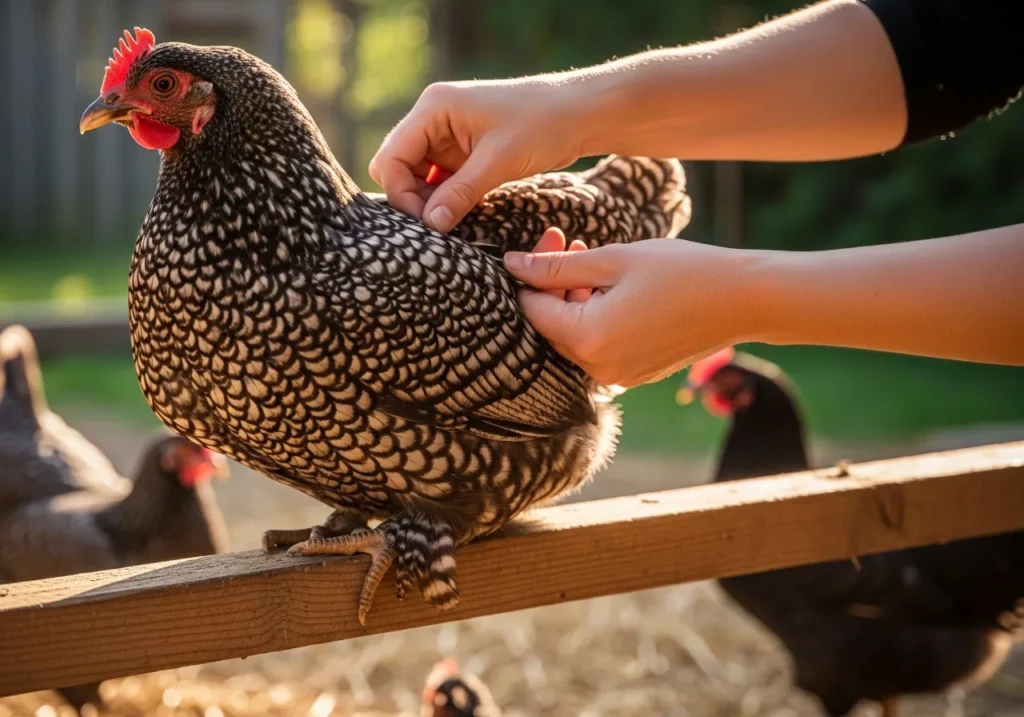
A sudden drop in egg production, lethargy, and a bird isolating itself from the flock are the clearest early signs something’s wrong — chickens hide illness well, so any noticeable behavior change deserves attention.
Egg Production Changes
A gradual seasonal dip is normal (shorter daylight hours, molting), but a sudden, sharp drop across multiple birds — especially combined with other symptoms — is worth investigating for illness, parasites, or acute stress.
Behavioral Signs
A chicken that’s isolating from the flock, unusually quiet, or reluctant to move normally is often signaling illness or injury, since chickens are naturally social and flock together. Ruffled feathers held close to the body, a hunched posture, and closed or squinting eyes are also common non-specific illness signs.
Respiratory Symptoms
Coughing, sneezing, nasal or eye discharge, and labored breathing can indicate a respiratory infection, which can spread through a flock — isolate the affected bird and consider a vet consult, especially if multiple birds show symptoms.
Physical Checks
During regular handling, check for unusual lumps, wounds, signs of external parasites (mites, lice — look near the vent and under wings), and foot condition (swelling can indicate bumblefoot).
When to Isolate a Sick Bird
Separating a sick or injured bird from the flock protects it from being targeted by flock-mates (chickens can peck at a visibly weak bird) and reduces the risk of spreading illness if the cause is contagious.
See our full Backyard & Farm Pets Health & Wellness Guide for routine preventive care.
Baseline Normal Behavior Worth Knowing
Healthy chickens are generally active, alert, and responsive to your presence, with clear eyes, a red healthy-looking comb and wattles (color varies some by breed but should look vibrant, not pale or dark/purplish), and consistent egg-laying for hens in production. Knowing what’s genuinely normal for your specific flock and individual birds makes deviations far easier to spot quickly.
Physical Signs Worth Monitoring
Pale or discolored comb and wattles, labored or open-mouth breathing, discharge from eyes or nostrils, abnormal droppings (persistent diarrhea, blood, or unusual color beyond normal variation), and visible injuries or swelling are all worth prompt attention. A hunched posture, reluctance to move, or a bird that separates itself from the flock and doesn’t rejoin normal activity are behavioral signs equally worth taking seriously.
Egg-Related Warning Signs
A sudden drop in egg production across the flock can indicate several things — molting, seasonal daylight changes, stress, or illness — and is worth investigating rather than assuming the most benign explanation automatically. Straining without producing an egg, or a hen sitting in a nesting box for extended periods showing distress, can indicate egg-binding, a genuine emergency requiring prompt intervention.
When to Isolate and When to Call a Vet
Any bird showing significant illness signs should be isolated from the rest of the flock promptly, both to allow closer monitoring and to reduce disease transmission risk to healthy flock members. Severe or rapidly worsening symptoms, injuries, or suspected egg-binding warrant prompt veterinary attention from a poultry-experienced vet; milder, single symptoms in an otherwise active, eating bird sometimes warrant a short monitoring period first, though persistent or worsening signs should escalate to professional care.
Using Comb and Wattle Color as a Health Indicator
A healthy hen’s comb and wattles are typically a vibrant red (color specifics vary somewhat by breed), and noticeable paling, a bluish or purplish tinge, or unusual darkening can all indicate circulation or health issues worth investigating. This is a quick, easily checked visual indicator experienced keepers rely on regularly as part of routine flock observation.
Group Health Monitoring vs. Individual Bird Monitoring
Beyond watching for individual sick birds, monitor overall flock patterns — a gradual, flock-wide decline in egg production, activity, or feed consumption can indicate an environmental issue (feed problem, parasite load, poor coop conditions) rather than one individual bird’s illness, and warrants a different kind of investigation focused on shared conditions rather than a single animal’s specific symptoms.
Common Illnesses Backyard Keepers Encounter
Coccidiosis, a parasitic intestinal disease most common in young birds, causes lethargy, bloody or watery droppings, and reduced appetite — medicated starter feed and clean, dry brooder conditions are the main prevention tools. Marek’s disease, a viral illness, can cause paralysis, weight loss, and tumors, and is why vaccination (often done at the hatchery for day-old chicks) matters for flocks sourced from unvaccinated stock. Infectious bronchitis and other respiratory illnesses spread readily through a flock and cause the coughing, sneezing, and discharge symptoms already covered, generally requiring isolation of affected birds and sometimes broader flock management changes if it becomes recurring.
Understanding Bumblefoot
Bumblefoot is a bacterial infection typically entering through a small cut or puncture on the foot pad, often from a splinter, sharp object in the run, or an overly hard landing surface under high roosts. Early signs include mild swelling or a small dark scab on the footpad; left untreated, it can progress to significant swelling, lameness, and a more serious infection requiring veterinary treatment. Checking feet during routine handling, keeping roosts at a reasonable height, and removing sharp debris from the run are the main prevention measures.
External and Internal Parasites
External parasites (mites and lice) are visible on close inspection, particularly around the vent and under wings, and cause irritation, feather damage, and in significant infestations, anemia from blood loss. Internal parasites (worms) are less visibly obvious and often require a fecal exam to properly diagnose, though weight loss despite normal appetite, pale comb, and general poor condition are indirect signs worth investigating. Regular dust-bath access helps with external parasite prevention, while a vet-guided deworming schedule, rather than routine unsupervised deworming, is generally the more responsible approach to internal parasites.
Crop Issues: Impacted and Sour Crop
The crop, a pouch where swallowed food is temporarily stored before digestion, can become impacted (blocked, often by stringy plant material or bedding accidentally ingested) or “sour” (a yeast overgrowth causing a foul odor and squishy, fluid-filled feel). Both cause a visibly enlarged, abnormal-feeling crop, often combined with reduced appetite and lethargy. Mild cases sometimes resolve with gentle massage and temporarily withholding food and stringy treats, but a crop that isn’t improving within a day, or a bird showing significant distress, needs veterinary attention rather than continued home management.
Heat Stress and Heat Stroke Signs
Panting, holding wings away from the body, pale comb, and lethargy are early heat stress signs in hot weather, progressing to stumbling, collapse, and potentially death if not addressed promptly. Immediate response to early signs — shade, cool (not ice-cold, which can cause shock) water, and reducing activity — usually resolves mild heat stress quickly, while a collapsed or severely affected bird needs emergency cooling and likely veterinary attention.
Building a Basic Biosecurity Routine
Simple biosecurity practices — quarantining new birds before flock introduction, using dedicated footwear or a disinfecting step when moving between different flocks or bird-keeping properties, and avoiding unnecessary visitors’ direct contact with your birds — meaningfully reduce disease introduction risk. Most backyard illness outbreaks trace back to a specific introduction point (a new bird, contact with wild birds’ droppings, or a visit to another flock) rather than spontaneous illness, making these routine precautions genuinely effective rather than excessive caution.
When Multiple Birds Show Symptoms at Once
A single sick bird is often an individual issue (injury, egg-binding, an isolated infection), but multiple birds showing similar symptoms within a short window points more strongly toward a shared environmental cause — contaminated feed or water, a coop condition issue, or a contagious illness actively spreading through the flock. This distinction genuinely changes the appropriate response: isolate and treat an individual bird’s issue, but investigate and address underlying conditions (water source, feed freshness, coop cleanliness, ventilation) when illness appears simultaneously across multiple birds.
Keeping a Simple Symptom Log
Noting the date, affected bird, specific symptoms observed, and any action taken creates a genuinely useful record if symptoms recur, worsen, or need to be relayed accurately to a vet later — memory alone often blurs the exact timeline and progression in ways that matter for diagnosis. This doesn’t need to be elaborate; a simple notebook entry each time something notable is observed is sufficient for most backyard flocks.
Finding a Poultry-Experienced Vet Before You Need One
Not every general veterinary practice sees poultry regularly, and finding a genuinely poultry-experienced vet during an actual emergency is far harder than researching one in advance. Ask local backyard poultry clubs, agricultural extension offices, or other local keepers for recommendations, and confirm a practice’s poultry experience and emergency availability before you actually need it, rather than discovering the gap while an actively sick bird is waiting.
Trusting Your Own Observation
Because chickens instinctively mask illness as a survival mechanism against predators that target visibly weak animals, subtle changes only a keeper who knows their specific flock’s normal baseline will reliably catch early — a slightly quieter bird, a marginally smaller egg, a subtle change in how a bird holds itself. This is the strongest practical argument for genuinely consistent daily observation over relying solely on obvious, late-stage symptoms to identify a problem.
More Backyard & Farm Pets Guides
FAQ
Not always — molting, shorter daylight hours in fall/winter, and stress from a predator scare can all reduce laying too. But a sudden drop combined with other symptoms is worth investigating.
Chickens hide pain well, but signs like reluctance to move, hunched posture, or isolating from the flock can indicate discomfort.
Generally yes — separating a sick bird protects it from flock pecking (chickens can target a weak bird) and helps prevent potential spread if the cause is contagious.
