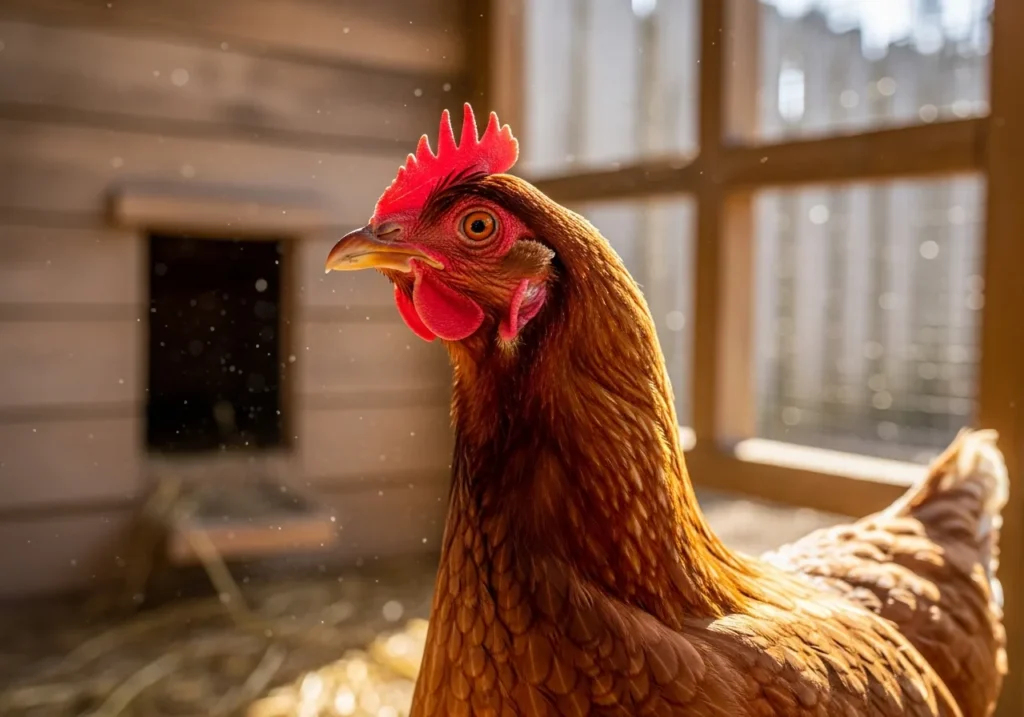
Orpingtons and Australorps are widely recommended for beginners thanks to their calm temperament, cold tolerance, and reliable (if not maximum) egg production, making them forgiving choices for a first flock.
Why Temperament Matters More Than Egg Count for a First Flock
It’s tempting to choose breeds purely for maximum egg output, but a calmer, more easygoing breed makes the learning curve of first-time chicken keeping considerably smoother — easier to handle, less prone to stress-related issues, and generally more forgiving of a beginner’s early mistakes.
Recommended Starter Breeds
Orpingtons are a frequent top recommendation for their calm, friendly nature and good cold tolerance. Australorps combine a docile temperament with strong, reliable egg-laying, making them a well-rounded dual-purpose choice. Both handle beginner mistakes — like inconsistent handling early on — better than more flighty breeds.
Starting Flock Size
Three to four hens is a common, manageable starting point — enough for social company (chickens shouldn’t be kept alone) without being overwhelming to learn on. Most residential zoning also caps flock size, so check local rules before deciding.
Chicks vs. Started Pullets
Day-old chicks require careful brooding — a heat source, careful temperature management, and more vigilance in the first weeks. Started pullets (a few months old) skip this more delicate stage and are often easier for a first-time keeper, though at a higher upfront cost.
See our full Backyard Chicken & Duck Breeds guide for a broader comparison.
FAQ
Started pullets (a few months old, closer to laying age) skip the more delicate brooding stage and are often easier for a first-time keeper, though raising chicks from day one is a rewarding experience for those ready for it.
Three to four hens is a common starting flock size — enough for company (chickens are social) without being overwhelming to manage while learning.
No — hens lay eggs without a rooster, and many residential zoning rules don't allow roosters anyway due to noise.
