
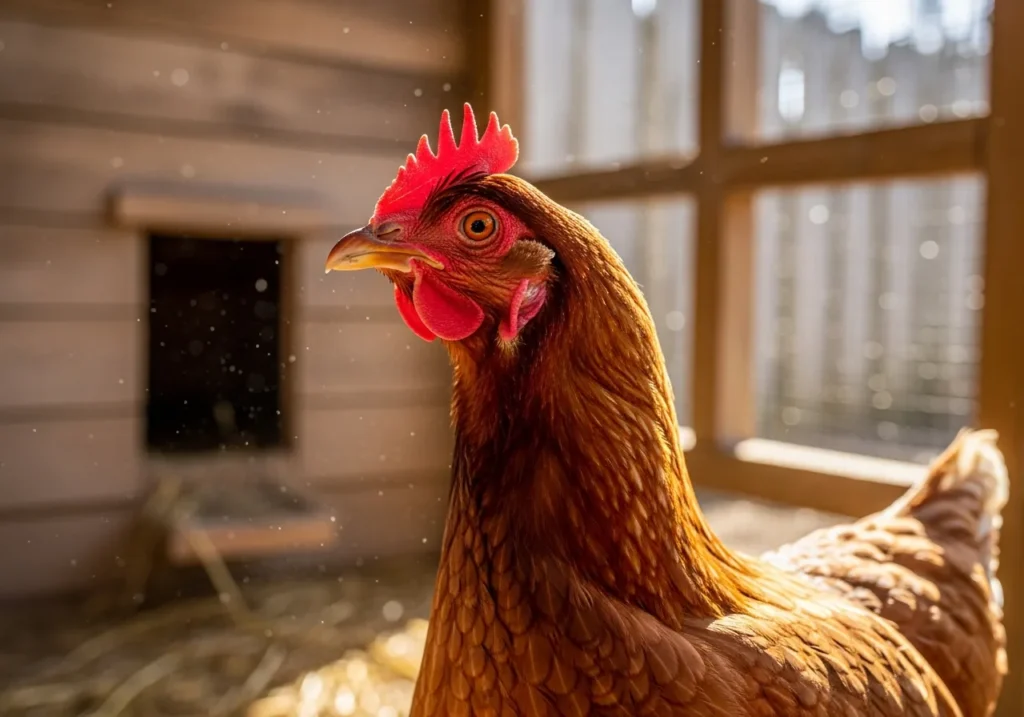
Breed choice affects temperament, egg output, and how well a bird handles your local climate — worth thinking through before choosing chicks or started birds, especially since a flock is typically a multi-year commitment.
Orpington
Known for a calm, friendly temperament and decent cold tolerance thanks to heavy feathering, Orpingtons are a common recommendation for beginners and families with children.
Australorp
A reliable, docile breed with strong egg-laying output — often cited among the best all-around dual-purpose breeds for backyard keepers wanting both a calm bird and consistent eggs.
Leghorn
A high-production egg-laying breed, but generally more flighty and less cuddly than breeds like Orpingtons — a better fit for keepers prioritizing egg output over a docile temperament.
Golden Comet (and Similar Hybrids)
A hybrid production breed bred specifically for high, consistent egg-laying, generally friendly, though hybrid layers may have a shorter productive laying lifespan than some heritage breeds.
Ducks (Pekin, Khaki Campbell, and Others)
Ducks tend to be hardier in cold, wet climates and less prone to some chicken-specific parasites, but need access to water for splashing (not necessarily a full pond) and are messier, which affects coop and run design decisions.
Matching Breed to Climate and Goals
Cold-climate keepers should prioritize heavier-feathered, cold-hardy breeds; hot-climate keepers should look for heat-tolerant breeds. Keepers prioritizing eggs over temperament should consider production breeds; those wanting a calmer, more pet-like flock should lean toward docile dual-purpose breeds like Orpingtons.
See our Best Backyard & Farm Pets for Beginners guide for a more beginner-focused breakdown.
Choosing Breeds for Egg Production
Breeds like Leghorns, Rhode Island Reds, and Australorps are known for high, consistent egg production, often laying 250+ eggs annually under good conditions. These production-focused breeds are a common choice for keepers primarily motivated by egg output, though they’re sometimes noted as slightly less docile or personable than dual-purpose or heritage breeds, a real tradeoff worth considering if temperament matters as much as production to you.
Dual-Purpose and Heritage Breeds
Breeds like Plymouth Rocks, Orpingtons, and Wyandottes offer a balance of reasonable egg production with calmer, more personable temperaments, making them popular among keepers who want both practical output and an enjoyable, interactive flock. Heritage breeds — older, traditional breeds maintained partly for genetic diversity and historical preservation — often carry particularly hardy, resilient characteristics suited to more variable backyard conditions, though typically at somewhat lower production rates than modern commercial layer breeds.
Cold-Hardy vs. Heat-Tolerant Breeds
Climate matching matters genuinely for flock success and welfare. Breeds like Chanteclers and Wyandottes, with smaller combs less prone to frostbite and generally hardy constitutions, suit cold climates well. Mediterranean-origin breeds like Leghorns tend to handle heat better but are more frostbite-prone in cold climates due to larger combs. Researching breed suitability for your specific regional climate, rather than choosing purely on appearance or production stats, meaningfully affects flock health and happiness.
Bantam Breeds — A Smaller Option
Bantam chickens, roughly a quarter to a fifth the size of standard breeds, are a popular choice for keepers with limited space or those who simply prefer smaller birds, sometimes kept purely as pets rather than for significant egg production, since bantam eggs are proportionally smaller too. They generally eat less and take up less coop space, making them a practical option for smaller backyard setups.
Ducks as an Alternative to Chickens
Ducks are an increasingly popular backyard choice, generally quieter than roosters (though not silent), often more cold-hardy, and typically less prone to some common chicken health issues like bumblefoot given their different foot structure. They do have different water access needs (most duck breeds benefit from at least a basin deep enough to submerge their heads for eye and nostril health) and different coop design considerations worth researching separately from standard chicken-focused guides.
Considering Noise Level by Breed and Sex
Hens are generally much quieter than roosters, though breed and individual temperament still create some variation — Mediterranean breeds like Leghorns are sometimes noted as more vocal than heavier, calmer breeds like Orpingtons. If noise is a genuine concern given your living situation (close neighbors, HOA rules, or simple personal preference), researching breed-specific noise reputation, and definitely avoiding roosters where not permitted or wanted, matters as much as researching egg production or temperament.
Rare and Specialty Breeds Worth Knowing About
Beyond common backyard breeds, specialty options exist for keepers interested in something different — Silkies (known for unusually soft, fur-like feathers and typically very docile, broody temperaments popular with families), Polish chickens (distinctive feathered head crests, though sometimes needing extra care due to reduced vision from crest feathers), and various colored-egg-laying breeds like Easter Eggers add variety for keepers interested in more than standard production breeds alone.
Geese as Backyard Livestock
Geese are less commonly kept than chickens or ducks but offer genuine advantages for the right setup — strong natural alertness that makes them effective, if noisy, property watch-birds, primarily grass-based grazing that can reduce feed costs on properties with adequate pasture, and notable longevity, often living well beyond a decade with good care. They also require more space than chickens, can be territorial or aggressive (particularly ganders during breeding season), and their strength and size mean handling mistakes carry more real risk than with smaller birds, making them a better fit for experienced keepers or those with specific space and use-case needs rather than a typical first backyard bird.
Turkeys in a Backyard Setting
Backyard turkeys are less common than chickens but increasingly kept by hobbyists, either heritage breeds (slower-growing, more traditional, often kept for eggs or as pets alongside eventual meat use) or broad-breasted commercial breeds (bred specifically for rapid meat production, generally not suited to long-term keeping as pets due to health issues from their extreme growth rate). Turkeys have different space, social, and health needs from chickens and shouldn’t simply be added to an existing flock’s setup without researching their specific requirements, including their particular susceptibility to blackhead disease, which chickens can carry without symptoms but which is often fatal to turkeys.
Quail as a Small-Space Alternative
Coturnix quail have become a popular choice for keepers with very limited space or interest in a faster production cycle — they reach laying age in around 6-8 weeks (dramatically faster than chickens), take up a fraction of the space, and are legal in some areas with restrictive chicken ordinances since they’re classified differently in some local regulations. Their eggs are much smaller, and their housing and handling needs differ enough from chickens that keepers should research quail-specific care rather than assuming standard chicken guidance transfers directly.
Meat-Focused Breeds and Considerations
Keepers interested in raising birds specifically for meat rather than eggs typically choose breeds like Cornish Cross (extremely fast-growing but requiring careful management of their rapid growth to avoid health complications, and not well suited to long-term keeping) or slower-growing dual-purpose and heritage breeds that take longer to reach meat size but tolerate a more typical backyard lifestyle in the meantime. This is a meaningfully different keeping approach and commitment than an egg-focused or companion flock, worth thinking through deliberately rather than assuming any breed works equally well for this purpose.
Building a Breed Comparison Shortlist
With so many breed options, a practical approach is narrowing to 2-3 candidates based on your top priorities (climate fit, egg output, temperament, noise, available space) rather than trying to evaluate every breed exhaustively. Research each shortlisted breed’s specific traits in more depth, and where possible, talk to keepers with direct experience with those exact breeds in a climate and setup similar to yours — real-world experience often reveals practical nuances that breed-standard descriptions alone don’t fully capture.
Broodiness as a Breed-Selection Factor
Some breeds (Silkies and Cochins notably) go broody easily and frequently, which is either a genuine asset (for keepers wanting to hatch their own chicks naturally) or a practical downside (a broody hen stops laying and can be difficult to break of the behavior) depending entirely on your goals. Production-focused breeds like Leghorns have largely had broodiness bred out of them for exactly this reason, making broodiness tendency worth checking against your specific plans before choosing a breed either way.
Regional Availability Affecting Practical Breed Choice
Not every breed discussed in general guides is easily available in every region — local hatcheries and feed stores typically stock breeds well-suited to regional conditions and demand, which can be a genuinely useful practical filter in itself. If a specific breed you’re interested in isn’t readily available locally and requires a shipped minimum hatchery order, weigh that added cost and complexity against simply choosing a well-regarded, locally available alternative that may suit your goals nearly as well.
Mixing Breeds in a Single Flock
Most breeds coexist well together in a mixed flock, and keeping a variety is common and generally low-risk, provided all birds are reasonably close in size (a very large breed can sometimes bully much smaller bantams at feeders) and properly introduced following standard flock-integration practices. A mixed-breed flock also gives keepers real, direct comparison experience across multiple breeds’ temperament and production within their own specific setup, often informing future breed preferences more reliably than any general guide.
More Backyard & Farm Pets Guides
FAQ
Orpingtons and Australorps are frequently recommended for their calm temperament and reliable egg-laying, making them forgiving choices for first-time keepers.
Production breeds like Leghorns and Golden Comets are known for high egg output, often outlaying more docile heritage breeds.
Ducks are generally hardier in cold and wet conditions and less prone to some chicken-specific health issues, but they need access to water for splashing and produce more mess, which affects coop and run design.
